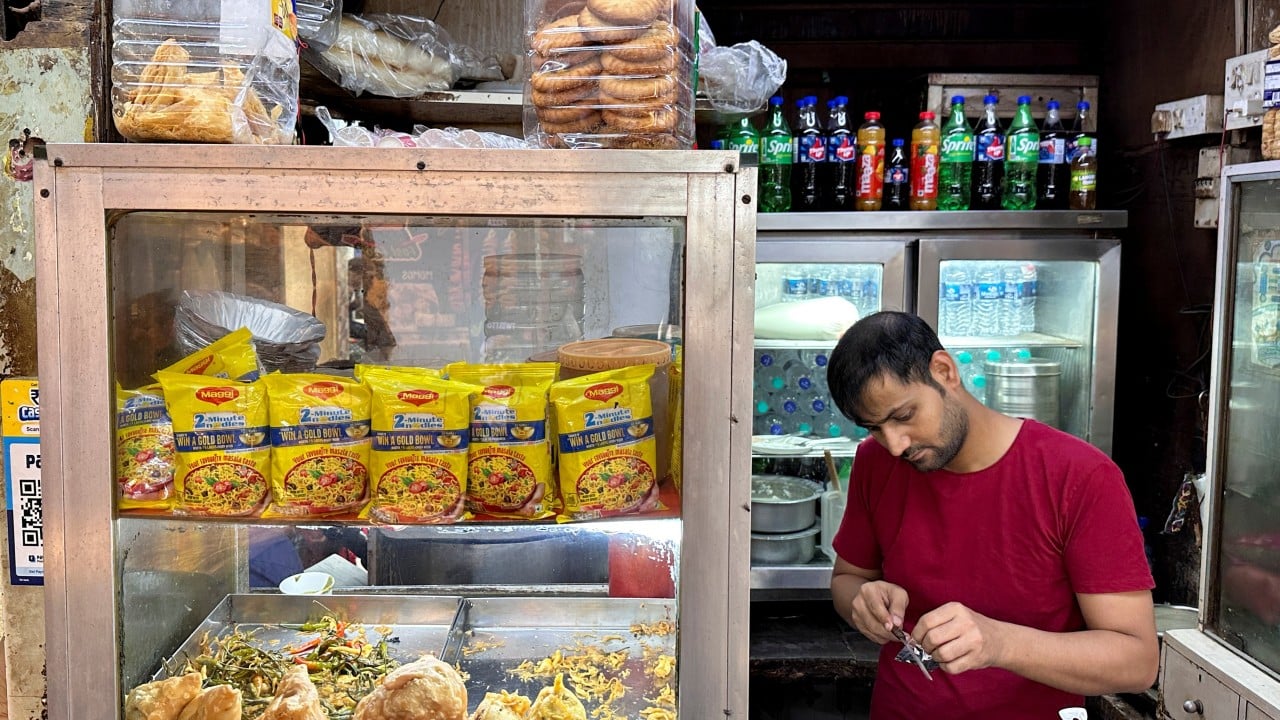
Walk down any grocery aisle in Mumbai or Delhi, and you will see a massive $100 billion packaged food market moving at breakneck speed. Ultra-processed food sales in India exploded fortyfold between 2006 and 2019, touching $38 billion. That boom is crashing straight into a regulatory wall. The Food Safety and Standards Authority of India (FSSAI) is pushing for aggressive front-of-pack warning labels. Instead of subtle nutritional charts hidden on the back, shoppers might soon see stark red hexagonal labels plastered on the front of unhealthy items.
Global conglomerates like Nestle, PepsiCo, Coca-Cola, and Mondelez, alongside domestic heavyweights, are sweating. They spent decades getting Indian consumers hooked on chips, sugary drinks, and processed treats. Now, a simple red warning sign threatens to derail years of marketing. If you found value in this post, you might want to look at: this related article.
The Anatomy of the Warning Label Battle
Public health experts and corporate lobbyists have locked horns in New Delhi. The Supreme Court of India stepped into the fray after petitions from advocacy groups pointed out a looming health crisis. Projections from The Lancet suggest India could have 450 million overweight or obese individuals by 2050. That is a staggering public health time bomb.
The original regulatory draft proposed a two-nutrient threshold. Under that rule, a snack would only earn a red flag if it exceeded limits in at least two categories: added sugar, salt, or saturated fat. Health activists skewered this approach. They argued it created massive loopholes. For instance, a box of cereal containing 27 percent added sugar could completely dodge a warning label simply because its salt and fat levels stayed low. For another angle on this story, see the recent update from Business Insider.
Pressured by the Supreme Court and relentless public scrutiny, the government signaled openness to a much stricter framework. Regulators started looking at rolling out restrictions that would flag products exceeding limits in even a single category. Naturally, food executives panicked.
Why Big Food Is Losing Its Appetite
Corporate boardrooms hate friction. When consumers see a bright red hexagon warning on a package, buying habits change fast. Executives from major multinational and domestic firms argue that the proposed metrics are wildly impractical.
Take the benchmark debate. Regulators have weighed testing products against a 100-gram standard rather than a realistic single-serve portion. Industry representatives point out the absurdity of this approach. Nobody eats 100 grams of pickle or heavy traditional condiments in one sitting. Yet under a blanket 100-gram rule, everyday staples and traditional sweets (mithai) face unfair stigmatization.
Traditional snack associations representing thousands of makers of namkeen and sweets argue their products are meant to be consumed in tiny portions. Slapping a universal red label on these items risks destroying consumer trust overnight. Meanwhile, global brands face a different nightmare. Formulas that work smoothly in Western markets suddenly clash with strict local thresholds. When proposed limits trigger red flags on a massive percentage of inventory, CEOs warn that everything on the shelf risks turning red.
What Happens Next for the Snack Market
You cannot stop a cultural freight train of snacking, but you can change how brands formulate their products. Some industry veterans argue that mandatory front-of-pack labels actually level the playing field. Voluntary health pledges failed in the past because companies feared losing market share if they reduced sugar while competitors kept recipes unchanged. Universal warning labels remove that fear by forcing every player to adjust simultaneously.
Reformulation is expensive and technically brutal. Cutting sugar, salt, or fat without ruining taste, texture, or shelf life requires serious research and development. Companies can no longer rely on clever back-of-pack marketing to obscure what is inside the wrapper.
The courtroom battles will settle soon, but the writing is on the wall. India's appetite for convenience foods is meeting a state determined to curb a massive obesity epidemic. Brands that adapt their recipes quickly will survive. The rest will watch their sales sour under a wave of red warning labels.
FSSAI May Introduce Warning Labels On High Fat, Sugar & Salt Foods
This video provides additional context regarding the legal discussions and regulatory updates surrounding India's proposed food warning labels in court.


