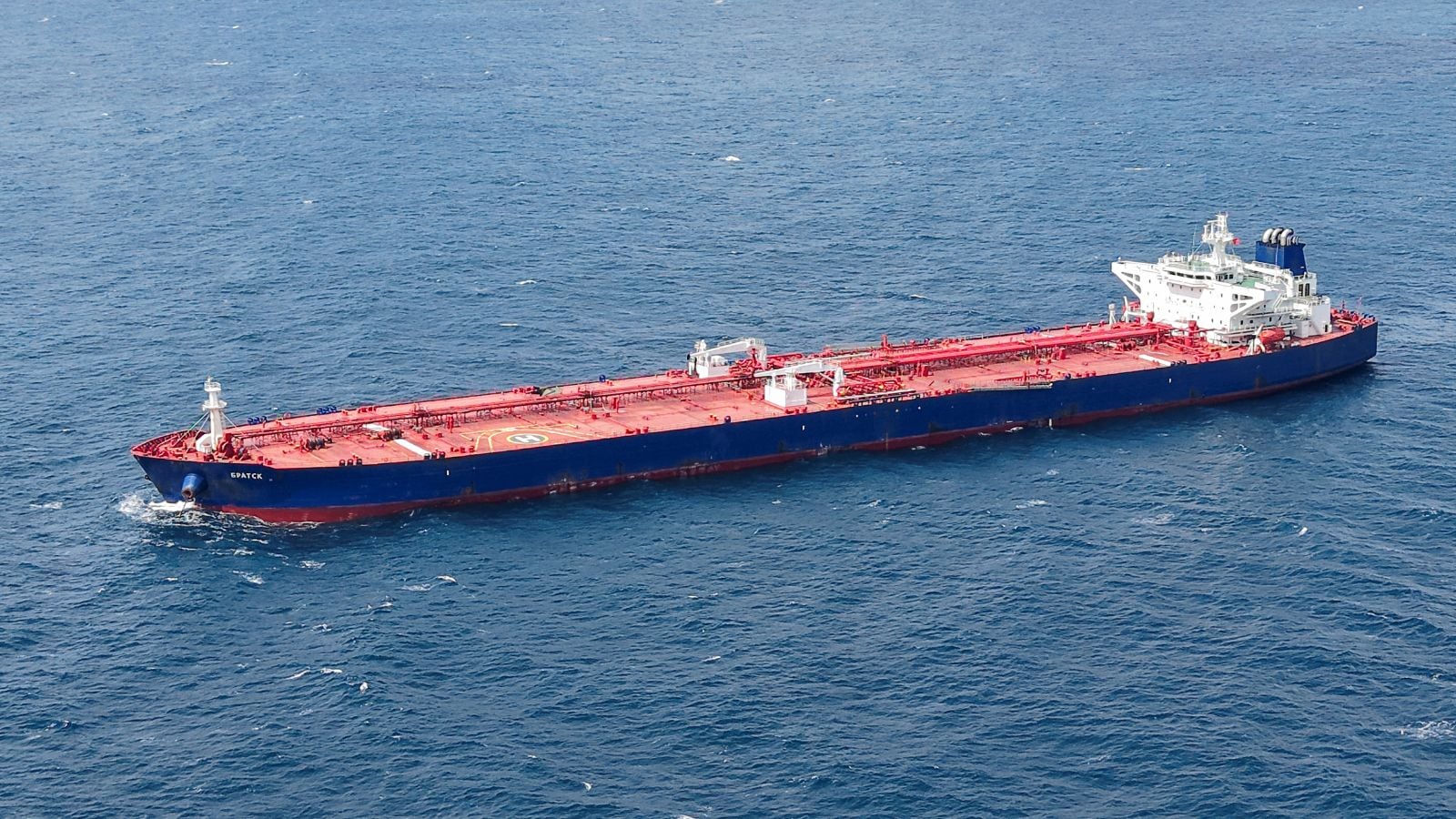
The honeymoon phase between New Delhi and cheap Moscow crude is hitting a brick wall. India's appetite for Russian oil dropped sharply in August, sliding down to roughly 2.1 million barrels per day from July's record highs of 2.8 million. Preliminary tracking data shows the slide continuing into September, with numbers dipping even further toward 1.9 million barrels per day.
If you watch global energy markets closely, this shift shouldn't surprise you. Refiners don't change suppliers out of diplomatic charity. They move when math, maritime friction, and regulatory pressure make old habits too expensive to maintain.
The Squeeze on Discount Barrels
For over two years, Indian refiners treated discounted Russian barrels like a lifeline. State-backed and private plants alike vacuumed up cheap Urals crude, saving billions while Western nations fumed over sanctions. But gravity eventually catches up to high-flying trade flows.
August marked a distinct turning point. Overall crude imports into India fell roughly 8.8 percent to 4.44 million barrels per day. At the same time, Russia's share of India's import basket slid from 56 percent in July down to 44 percent in August, dipping further into the thirties as September progressed.
Why the sudden pullback? The answers come down to three major pressures hitting the market at once:
- Tightening Enforcement: Washington and its allies are ramping up pressure on maritime logistics, tracking dark fleets, and targeting entities tied to Russian shipping.
- Alternative Sourcing: Middle Eastern producers like Iraq and Saudi Arabia have clawed back market share by adjusting pricing and offering more reliable logistical delivery terms.
- The Price Gap Narrowing: The massive discounts that made buying Russian oil a no-brainer have compressed significantly, altering the risk-reward ratio for corporate procurement desks.
Navigating West Asian Disruptions
Energy security isn't just about buying the cheapest barrel on a spreadsheet. It's about whether that barrel actually clears choke points and arrives at a refinery gate without a massive war-risk insurance premium attached.
Recent flare-ups and blockades around key transit zones like the Strait of Hormuz scrambled traditional tanker routes. When freight rates and insurance spikes collide with higher global crude prices—the Indian crude basket recently hovered around $90 a barrel compared to much lower levels a year prior—refiners must re-evaluate every single contract.
When tanker routing gets chaotic, supply chains look for stability. That search for stability pushed Indian buyers to lean back toward traditional Middle Eastern suppliers, even if it meant paying a bit more upfront to avoid regulatory or shipping headaches.
Where the Trade Flows Go Next
Don't mistake this trend for a permanent divorce between New Delhi and Moscow. India's energy ministers have made it clear time and again that the country will buy from wherever makes the best economic sense for its domestic consumers.
Refiners are simply playing a balancing act. When Russian discounts are wide and logistics are smooth, they buy aggressively. When compliance risks mount, shipping costs jump, and alternative barrels become competitive, they quietly diversify.
Watch the September and October shipping manifests. You'll likely see a more balanced procurement mix rather than a total collapse of Russian imports. Pragmatism always wins out over politics in the oil patch.