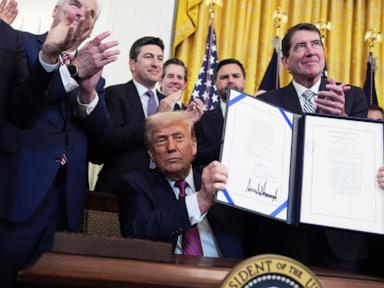
The ink is barely dry on the new US-Iran peace deal signed in Switzerland, but Indian refiners aren't waiting around for the formal photo ops. Tankers are already being eyed, shipping routes calculated, and credit lines prepped. For New Delhi, this isn't just another trade deal. It's an emergency exit from an energy stranglehold that has beaten up the Indian economy for months.
Let's look at the raw numbers. Before Washington choked off Tehran’s energy exports with heavy sanctions back in 2019, Iran was a top-three supplier for India, making up roughly 10% to 13% of its entire crude import basket. That translated to around 300,000 barrels per day flowing straight into Indian ports. When those barrels vanished, India had to reshuffle its entire deck, leaning heavily on Iraq, Saudi Arabia, and eventually, heavily discounted Russian Urals.
But the recent war in the Middle East and the 107-day closure of the Strait of Hormuz exposed the massive flaw in that strategy. Relying on an incredibly concentrated mix of suppliers left India dangerously exposed. Now that Washington and Tehran are halting hostilities, the commercial rush to get Iranian crude back to Indian shores is moving at lightning speed.
The Brutal Math Behind the Return to Tehran
Why the massive rush? It comes down to basic logistics and cash. Indian refiners like Indian Oil Corporation (IOC), Mangalore Refinery and Petrochemicals Limited (MRPL), Reliance, and Nayara Energy are built to process Iranian heavy sour grades. They don't need to reconfigure a single valve to take this oil.
More importantly, the freight economics are incredibly lopsided.
- Iran to India: 30 to 55 cents per barrel in transportation costs.
- African Grades: $1 to $2 per barrel.
- US or Venezuelan Cargoes: $2 to $4 per barrel.
When you're importing millions of barrels a day to power a nation of 1.4 billion people, those extra dollars per barrel add up to immense fiscal strain. During the peak of the Hormuz crisis, India's trade deficit widened dramatically, forcing Prime Minister Narendra Modi to make public appeals to citizens to curb energy use and slow down gold imports just to protect foreign exchange reserves.
Cheap, local Iranian crude solves this headache almost instantly. Tehran historically offered extended credit windows of up to 60 days and free shipping insurance to sweeten the deal. Even if they don't bring back the deepest sanctions-era discounts immediately, simply throwing millions of new barrels into the global market pushes down international benchmarks like Brent crude, handing India a massive economic win.
Breaking the Russian Monopoly
The elephant in the refinery room is Moscow. Ever since the conflict in Ukraine began, India has feasted on discounted Russian Urals. In fact, due to the West Asian crisis and a three-month US sanctions waiver, India’s imports of Russian crude are on track to hit an all-time high of around 2.35 million barrels per day. Russia effectively became the backbone of India's energy survival, supplying five times more oil than Saudi Arabia over recent months.
But running a country on a single, geopolitically volatile supplier is an operational nightmare.
Indian refiners experienced this firsthand when Washington clamped down on Russian state shippers like Rosneft and Lukoil, forcing Indian buyers to scramble for alternatives. By reintroducing Iran into the mix, New Delhi isn't looking to completely ditch Russian oil; it's looking to claw back strategic leverage.
Having both Moscow and Tehran competing for Indian market share puts New Delhi in the driver's seat. It gives local refiners the ability to play suppliers against each other, securing the lowest possible premiums and protecting the country from sudden supply shocks.
The Chabahar Factor and Route Security
The commercial argument is obvious, but the long-term geopolitical play centers on a single geographical point: the port of Chabahar.
For more than two decades, India has slowly funding and developing this southeastern Iranian port. The goal was simple but ambitious: bypass Pakistan entirely to establish a direct trade corridor into Afghanistan, Central Asia, and up into Russia via the International North-South Transport Corridor.
When the Strait of Hormuz was shut down during the recent conflict, the absolute vulnerability of traditional Gulf shipping routes became a terrifying reality. Chabahar sits safely outside the narrow strait, right on the Indian Ocean coast. If another conflict flares up and chokes off the Persian Gulf again, Chabahar remains open.
Accelerating trade with Iran allows India to finally maximize its multi-billion-dollar investments in this port, turning a slow-moving diplomatic project into a vital economic lifeline.
Actionable Next Steps for Energy Observers
Don't expect the oil taps to reach full capacity overnight. If you're tracking how this shifts the economic landscape, watch these three specific signals:
- Monitor the Kpler and LSEG Tanker Data: Look for very large crude carriers (VLCCs) shifting their tracking designations toward Iran's Kharg Island terminal and India's western ports. Initial test cargoes, like the state-owned IOC purchases seen earlier this year, will pave the way for long-term supply contracts.
- Watch the Rupee-Rial Payment Negotiations: The real friction point will be currency. Watch whether the Reserve Bank of India revives a dedicated rupee-riat mechanism or utilizes alternative clearing channels to bypass Western banking gridlocks while the peace treaty terms stabilize.
- Track the Urals Discount Compression: As Iranian crude enters the market, watch the price spread between Russian Urals and Brent crude. If Russia senses it's losing market share in India, it will be forced to deepen its discounts to remain competitive, offering an even bigger windfall for Indian buyers.