Geopolitics isn't just about massive land borders or giant military budgets. Sometimes, it's about tiny island nations sitting right in the middle of crucial global shipping lanes. When Prime Minister Narendra Modi wrapped up his three-day trip to Seychelles and headed back to New Delhi on June 29, 2026, it marked a massive shift in how India secures its backyard.
This wasn't just another routine diplomatic stop. Modi landed in Victoria as the Guest of Honour for the Golden Jubilee of Seychelles' National Day, celebrating 50 years of independence. But behind the cultural dances and ceremonial handshakes lies a clear strategy. India is putting serious money and military hardware on the table to keep its influence in the Indian Ocean alive.
If you think this is just standard statecraft, you're missing the bigger picture.
Cracking Open the 175 Million Dollar Package
Let's look at the actual numbers because that's where the real story lives. India didn't just offer friendly words. Foreign Secretary Vikram Misri confirmed a major economic expansion during the trip, highlighted by a fresh 1,250 crore rupee ($175 million) umbrella Line of Credit.
What makes this different from past deals? It's extended directly in Indian rupees. That's a sneaky but smart move toward internationalizing the rupee while keeping Seychelles hooked on Indian development pipelines.
The money targets exactly what a small island nation needs to survive. The two countries signed nine separate agreements covering a wide range of issues.
- Digital Infrastructure: India is rolling out its Unified Payments Interface (UPI) in Seychelles, making it easier for tourists and businesses to transact without relying solely on western banking networks.
- Legal Backing: They locked down an extradition treaty to make tracking transnational criminals easier.
- High-Tech Requests: President Patrick Herminie specifically asked New Delhi for help building state-of-the-art artificial intelligence and cyber security centers. Modi reportedly accepted on the spot.
Guns and Boats in the Indian Ocean
You can't talk about Seychelles without talking about maritime security. It's a country made up of 115 islands scattered across a massive Exclusive Economic Zone (EEZ). Patrolling that much water is a nightmare for a small local military.
India knows this. It's why the military aspect of this trip was so blunt.
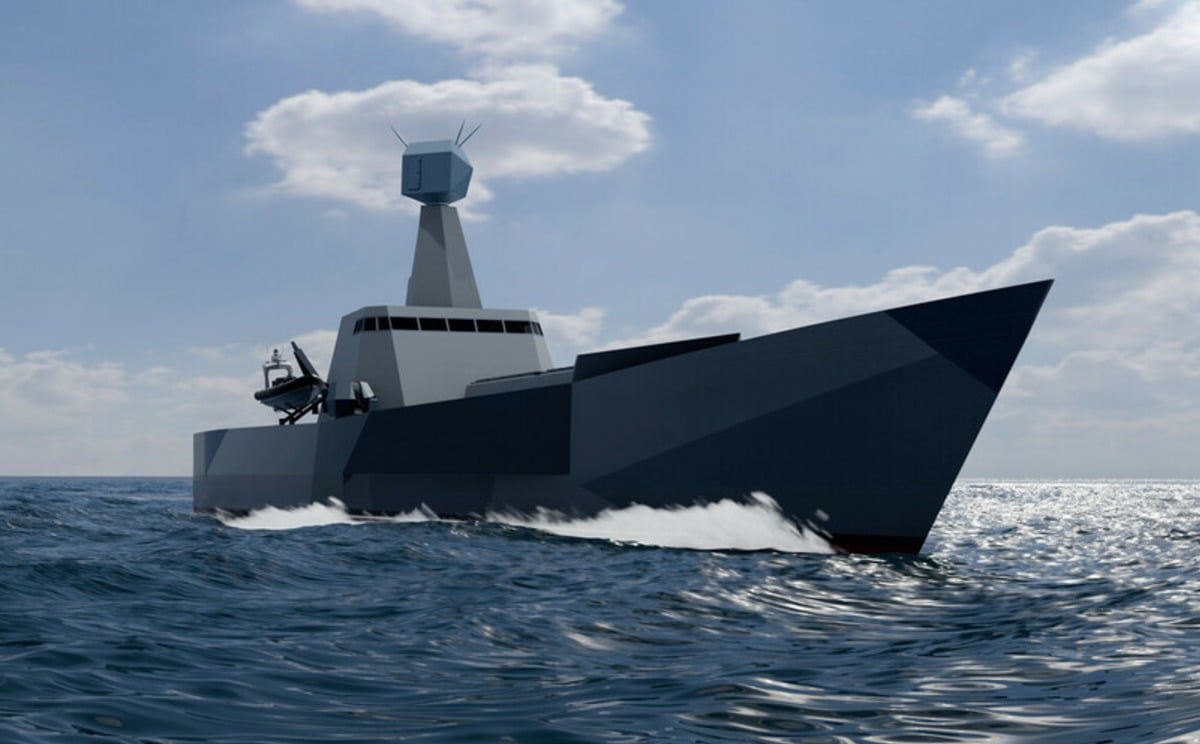
Right after arriving, Modi went to the Seychelles Coast Guard Base and handed over a "Made in India" Fast Patrol Vessel named PS Lespwar, built by Goa Shipyard Limited. He didn't stop there. India also delivered six ambulances, 10 utility vehicles, and five laser-radial boats. Seychelles also asked for an advanced light helicopter, which India placed on high priority.
Why does New Delhi care so much about patrolling someone else's waters? Because drug trafficking, illegal fishing, and piracy in the western Indian Ocean directly threaten Indian shipping lanes. More importantly, it keeps rival powers from filling the security vacuum.
The Strategy Behind MAHASAGAR
India wraps this whole approach in a policy called MAHASAGAR, which stands for Mutual and Holistic Advancement for Security and Growth Across Regions. It's a clunky acronym for a simple idea: India wants to be the primary security provider for the smaller island nations in its orbit.
During the visit, Seychelles officially joined the Coalition for Disaster Resilient Infrastructure (CDRI), an Indian-led global initiative. Modi also addressed an Extraordinary Sitting of the National Assembly of Seychelles, becoming the first Indian Prime Minister to ever do so.
Before leaving, Modi was given the "Guardian of the Blue Horizon" award, a nod to his focus on climate change and marine protection. It's great PR, sure, but it also anchors India's image as a benign partner focused on the environment, contrasting sharply with the debt-heavy infrastructure loans offered by other global superpowers.
What Happens Next
The diplomatic fanfare is over, and Modi's plane has landed back in Delhi. Now comes the hard part: execution.
If you're tracking regional security or international trade, watch these three specific milestones over the next few months to see if this trip actually achieved its goals:
- The Rupee Flow: Watch how fast the 1,250 crore rupee line of credit gets deployed into actual infrastructure projects in Victoria. Delays here usually kill the goodwill generated by high-profile visits.
- UPI Adoption: See how quickly local banks integrate India's UPI system. If successful, it serves as a blueprint for India to export its financial tech across other African island states.
- The Tech Buildout: Keep tabs on the implementation of the requested AI and cyber security centers. This will show whether India can compete with global rivals in exporting tech security, not just steel and ships.