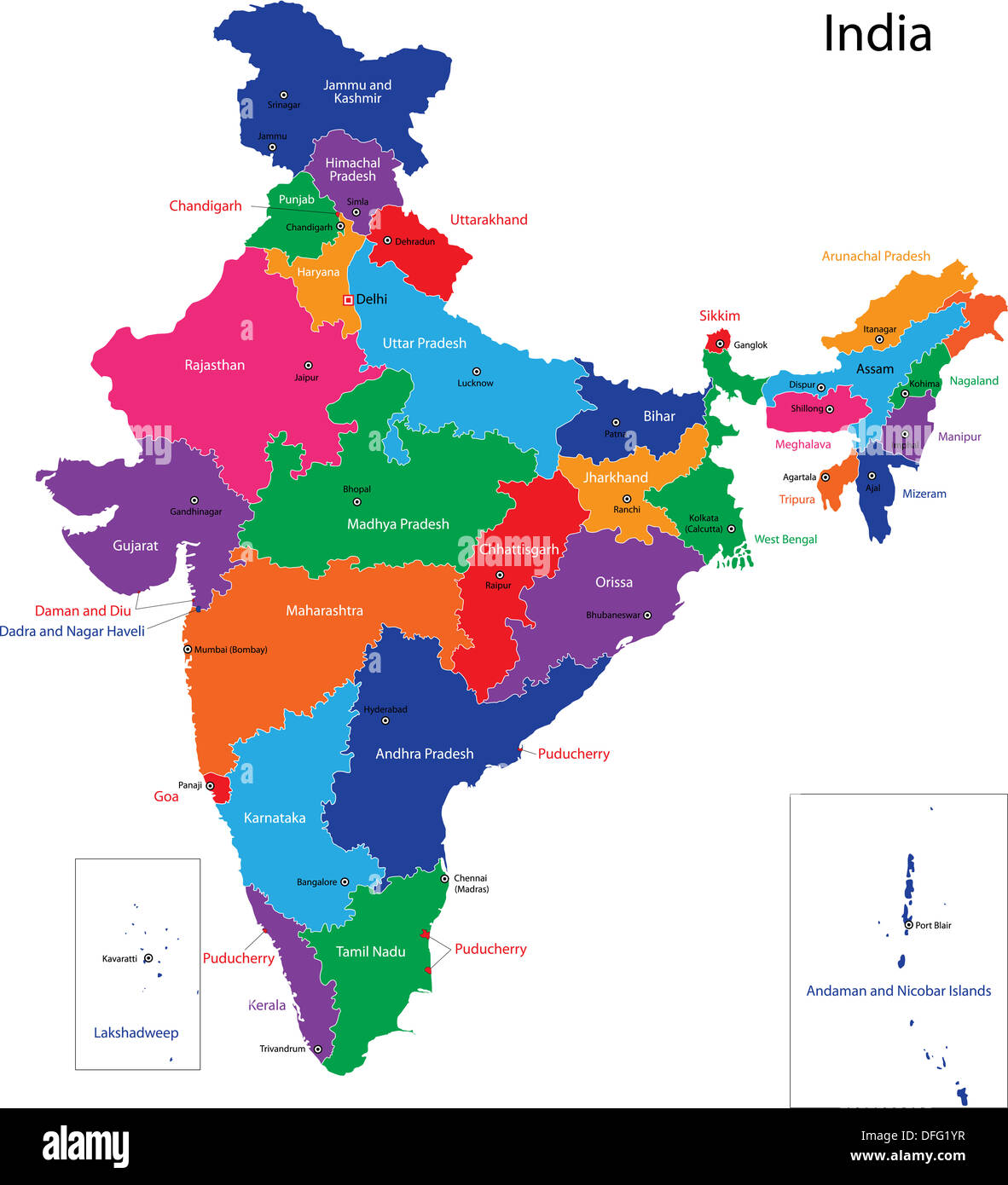
You can't build artificial intelligence in a vacuum. Underneath every large language model, advanced chatbot, and automated enterprise system lies a sprawling, fragile physical backbone—semiconductors, rare earth minerals, advanced manufacturing facilities, and secure energy grids. When one link breaks, the entire digital economy stalls. That reality explains why New Delhi just made a massive geopolitical and economic pivot by signing the San Francisco Declaration on the Secure Foundations of Enduring Prosperity, part of the broader US-led initiative known as Pax Silica.
This isn't just another diplomatic photo op or a toothless memorandum of understanding. It represents a hard-nosed scramble to secure global supply chains against intense geopolitical friction, particularly the race for technological supremacy with China. By joining nations like Australia, Japan, Israel, South Korea, and the United Kingdom, India is tying its tech future directly to a Western-aligned security architecture. Let's look at what this actually means on the ground, why it matters right now, and what most mainstream commentary misses about the deal.
Beyond Code: The Hard Physics of Artificial Intelligence
Most people think of software when they hear about the artificial intelligence boom. They picture lines of code, neural networks, and massive data centers humming quietly in the cloud. They forget that silicon chips require neon, specialized gases, ultra-pure silicon, and chips manufactured in a handful of high-risk geographic locations.
When supply chains fracture, production lines stop. US Under-Secretary of State for Economic Affairs Jacob Helberg pointed out that because these supply chains span multiple continents, international coordination is no longer optional—it's survival. By signing the Pax Silica framework alongside countries like the United Arab Emirates and Qatar, India is committing to help build a joint inventory of vulnerable critical technologies.
If you run a tech enterprise or build hardware infrastructure, you should care about this shift. It means tighter export controls, heavy vetting of component sourcing, and a deliberate decoupling from vulnerable manufacturing choke points. The era of cheap, frictionless, borderless tech sourcing is officially over.
Why India Matters to the Silicon Security Grid
You might wonder why Washington wanted New Delhi at the table so badly. The answer comes down to manufacturing diversification and software scale. For years, global electronics and chip supply chains were overly concentrated in narrow corridors. If a typhoon hit, a trade dispute flared up, or regional tensions boiled over, global production plunged.
India has spent the last few years aggressively positioning itself as an alternative manufacturing hub through massive semiconductor incentives and electronics production schemes. By bringing India into the Pax Silica fold, the alliance gains a massive democratic partner with the engineering talent, legal framework, and physical scale to anchor alternative supply chains.
At the same time, this pact gives India a defensive shield. Securing critical technologies means Indian firms won't get caught flat-footed by sudden foreign restrictions on advanced computing hardware or raw materials. It guarantees predictable access to the components needed to fuel domestic digital infrastructure.
The Real Risks and Hidden Friction Points
Nothing comes without a cost, and this pact introduces serious strategic complications. Aligning tightly with a US-led tech bloc means navigating a deeply polarized global economy. Beijing won't look kindly on New Delhi locking arms with Western allies to fence off critical supply chains. Indian hardware companies and domestic manufacturers will have to tread carefully as compliance requirements get stricter.
Furthermore, building redundant supply chains is expensive. Moving manufacturing away from low-cost, entrenched ecosystems into secure, allied territories drives up initial capital expenditure. Someone has to pay for those new fabrication plants, security audits, and raw material processing units. Ultimately, those costs trickle down to enterprise software buyers and hardware consumers.
You also have to look at execution. Governments sign declarations easily, but building actual industrial capacity takes years of sustained capital injection, skilled labor training, and bureaucratic streamlining.
What Happens Next for Tech Strategists
If you are building products or managing tech investments, stop ignoring supply chain geopolitics. The days of buying cheap components from the lowest bidder without asking where the underlying silicon or rare earths originated are gone.
Look closely at your vendor contracts. Audit your hardware dependencies. Ensure your technology stack isn't reliant on single-source choke points that could get caught in future trade restrictions or security crackdowns. The Pax Silica agreement signals a permanent shift toward techno-nationalism and allied trade blocs. Adapt to that reality now, or watch your supply lines break when you need them most.


