For years, Western capitals insisted that you couldn't stay friends with both Moscow and Kyiv without compromising your values. New Delhi didn't buy it. By keeping diplomatic channels open with everyone while refusing to join Western sanctions, India built a rare position of trust. Now, that strategic bet is paying off in ways nobody expected.
Ukraine's leadership has labeled India's diplomatic framework the most comprehensive among current international peace proposals. Meanwhile, Russian President Vladimir Putin has publicly praised Prime Minister Narendra Modi's steady focus on finding a negotiated settlement. If you're wondering how a country that imports Russian oil while maintaining robust ties with the United States became a serious peace broker, look no further than New Delhi's quiet persistence. You might also find this connected article useful: Why Trump’s New Medicare Check Announcement Matters For Seniors Right Now.
What Makes India's Peace Proposal Different
Most international mediation efforts focus on narrow, single-issue truces. The United States has pushed for energy-specific ceasefires, while Turkey and Egypt have concentrated primarily on securing Black Sea shipping lanes for grain exports.
India's approach breaks the mold by combining these elements into a single framework. According to Ukrainian Foreign Minister Andrii Sybiha, New Delhi's proposal weaves together an energy infrastructure halt with protections for Black Sea transit routes. By addressing both critical economic lifelines at once, the Indian framework offers a structured path toward de-escalation that appeals to pragmatic actors on both sides. As extensively documented in detailed coverage by NBC News, the implications are widespread.
You don't get that kind of reception by accident. It takes years of carefully guarded strategic autonomy to propose terms that neither Kyiv nor Moscow immediately dismisses out of hand.
Why Both Sides Are Listening
Let's be honest about the diplomatic landscape. Traditional Western intermediaries carry too much historical baggage for Moscow to trust them completely. At the same time, nations heavily dependent on Western security umbrellas struggle to maintain credibility with Kyiv.
India sits in the sweet spot. New Delhi has consistently emphasized that its position isn't "neutral"—it's firmly on the side of peace. Prime Minister Modi has repeated this message directly to Putin during bilateral summits, noting that dialogue and diplomacy are the only viable routes forward. When Putin speaks at forums like the Valdai International Discussion Club, he acknowledges that Modi genuinely cares about resolving the conflict and brings constructive ideas to the table.
For Kyiv, having a major Global South powerhouse step up with a detailed blueprint changes the diplomatic math. When your peace proposals win praise from nations outside the traditional Western bloc, your diplomatic leverage expands exponentially.
The Real Challenge Ahead
Writing a comprehensive peace plan is easy. Getting two entrenched adversaries to agree on a ceasefire along a brutal frontline is entirely different.
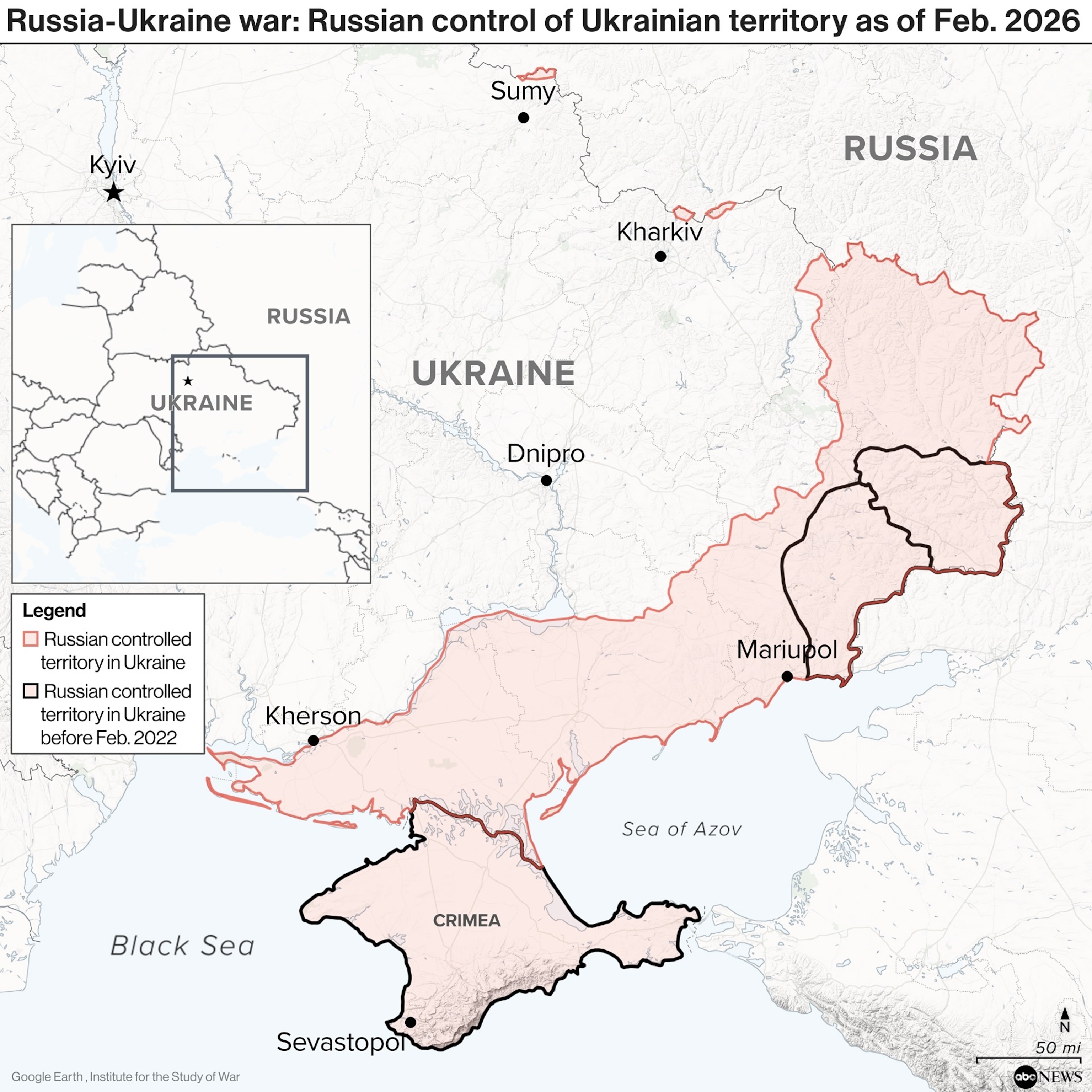
The immediate hurdles are massive. Moscow and Kyiv still hold fundamentally incompatible views on territorial integrity and security guarantees. Furthermore, sector-based truces—like halting strikes on energy grids or opening specific maritime corridors—require intense monitoring and mutual trust, two commodities that are currently in short supply.
Yet, New Delhi's willingness to step into a mediating role signals a fundamental shift in global diplomacy. Middle powers are no longer content to sit on the sidelines while superpowers dictate the terms of war and peace. India's growing economic and political weight means its voice carries real consequences.
Keep an eye on how these back-channel discussions evolve over the coming months. If a breakthrough happens, don't be surprised if it bears New Delhi's fingerprints. Stop looking exclusively to Washington or Brussels for the final chapter of this conflict. The road to peace just got a lot more crowded, and India is leading the traffic.