Disasters strip away everything in seconds. When severe floodwaters sweep across communities, leaving homes submerged and families stranded, the initial chaos is overwhelming.
Governments scramble. Resources stretch thin. In moments like these, ordinary people step up to fill the void.
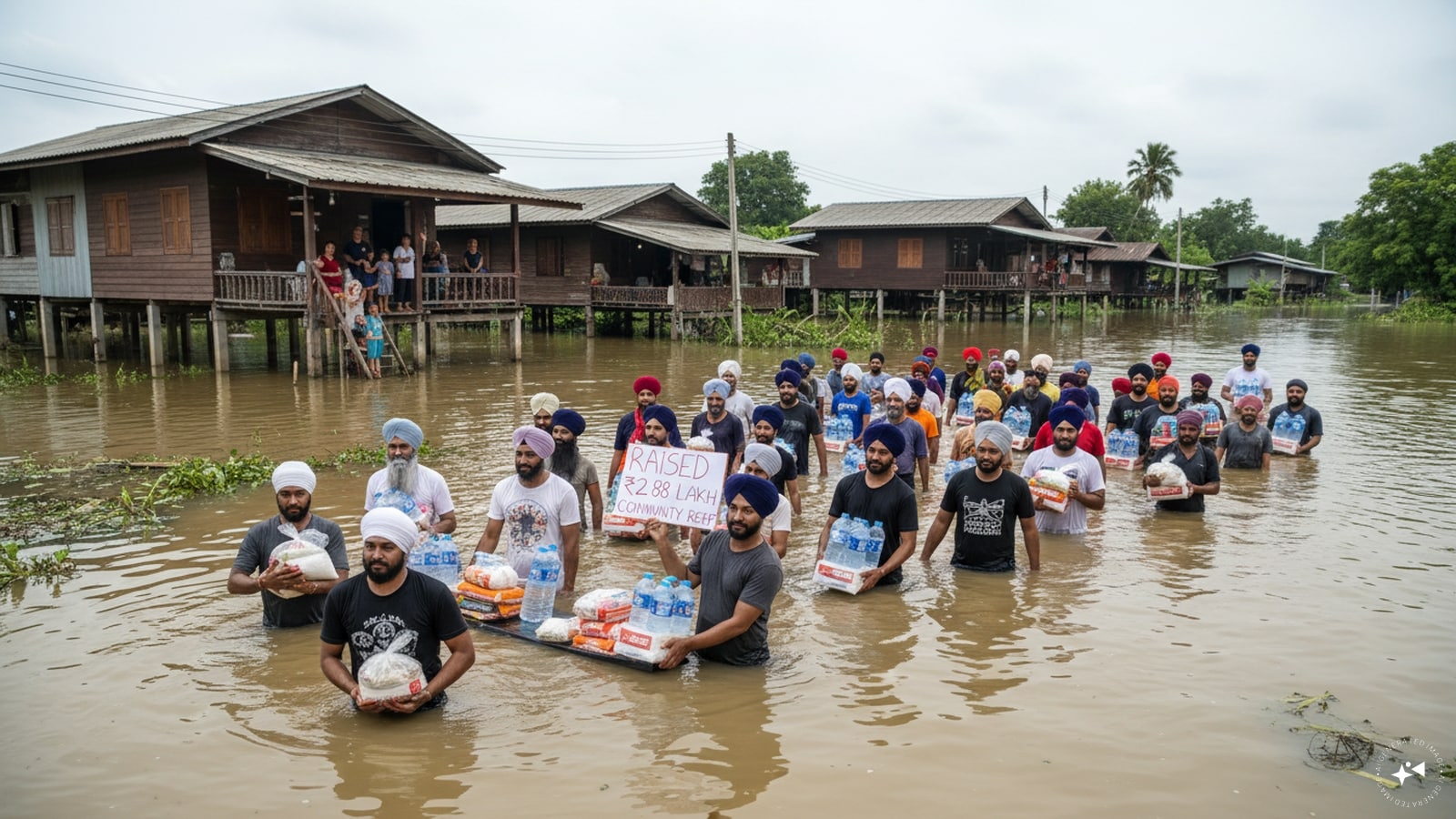
Across Southeast Asia, severe seasonal downpours have repeatedly devastated entire regions. Thailand has faced immense challenges with flash floods, leaving hundreds dead and thousands of households stranded. Amidst this crisis, Indian-origin volunteers have emerged as a vital lifeline. Far from their ancestral roots, these diaspora networks demonstrate that community transcends borders.
Let's look at why diaspora-led disaster relief matters and how these grassroots efforts actually work on the ground.
Beyond Borders: The Strength of Diaspora Networks
When disaster strikes a foreign nation, official diplomatic aid takes time to navigate red tape. Bureaucracy moves slowly. Water does not.
Indian-origin volunteers and community groups operating in Thailand don't wait for formal approval to act. They mobilize immediately because they live there. They understand the local landscape, speak the language, and maintain deep ties with neighborhoods facing the brunt of the devastation.
Organizations and informal groups of expatriates and local citizens of Indian descent coordinate hot meals, clean drinking water, and medical supplies. They deploy directly into flooded districts where municipal vehicles struggle to enter.
Why Grassroots Relief Outpaces Bureaucracy
Big institutions plan from conference rooms. Volunteers operate from pickup trucks.
- Speed: Local mobilization happens within hours of a flood warning, not days after committee reviews.
- Flexibility: Small groups can pivot instantly when distribution routes are blocked by landslides or rising river levels.
- Trust: Communities respond better to neighbors and local residents than to distant bureaucratic agencies.
When you're knee-deep in muddy water trying to rescue trapped families, you don't need a presentation. You need an extra pair of hands.
The Reality of Flood Recovery Work
Relief work sounds noble in headlines, but the reality is gritty, exhausting, and dangerous.
Volunteers face contaminated water, risk of waterborne diseases, and damaged infrastructure. Days are long. Sleep is rare. Yet, networks of Indian-origin volunteers in areas like Hat Yai and other flood-stricken zones keep pushing forward. They work shoulder-to-shoulder with local Thai volunteers, proving that solidarity knows no nationality.
Common Misconceptions About Foreign Aid
People often assume that international aid only flows from government budgets. That is false. The most effective relief is frequently self-funded by local business owners, temple committees, and diaspora associations who pool their own money.
Another myth is that volunteers just hand out bottled water and leave. Real recovery takes weeks of grueling cleanup. Removing thick layers of mud from homes, restoring electricity safely, and replacing ruined appliances require sustained physical effort long after the heavy rain stops falling.
What We Can Learn From Community Resilience
Disaster management experts point out that climate volatility is increasing across Asia. Severe weather events will continue to test regional infrastructure.
Governments cannot handle these crises alone. Building truly resilient communities requires empowering local volunteers, diaspora networks, and grassroots organizations before disaster strikes.
If you want to support effective disaster response, look past major international press releases. Support local grassroots organizations that maintain pre-positioned supplies and direct community connections. Real change happens from the ground up, driven by people who refuse to look away when their neighbors are hurting.
Deadly Floods Hit India, Nepal, Thailand; Rescue ...
This video provides a firsthand look at the severe flooding and emergency rescue operations affecting communities across India, Nepal, and Thailand.