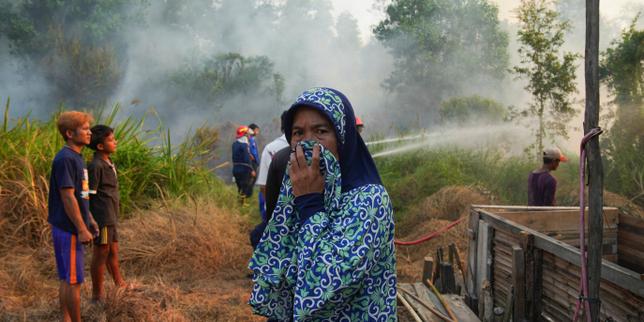
Thick, yellow smoke chokes the air across parts of Indonesia today. Thousands of firefighters are rushing to battle fierce forest fires while officials make the hard call to shut down local schools. This crisis isn't just a distant regional headline. It's a flashing warning sign about climate pressure, land management, and public health that affects millions of kids and families right now.
You might think forest fires are just an unfortunate act of nature. They rarely are. In Southeast Asia, these blazes usually tie back to a toxic mix of dry weather and land clearing practices. When peatlands dry out, they turn into underground tinderboxes. Once a spark hits, the ground burns for weeks. Smoke blankets cities, disrupts flights, and forces children indoors to protect their lungs.
The Human Cost Behind Closed Classroom Doors
Education takes a brutal hit when thick haze rolls in. Schools shut their gates because breathing toxic air outdoors poses an immediate danger to growing lungs. Kids end up stuck at home, missing crucial classroom hours.
Parents juggle work while monitoring air quality indices that spike into hazardous zones. Hospitals fill up with people suffering from acute respiratory infections, eye irritation, and asthma flare-ups. Vulnerable populations take the brunt of the damage.
"When the air turns toxic, daily life grinds to a halt. Classrooms empty out, clinics fill up, and entire communities hold their breath waiting for rain."
Why These Fires Keep Returning
Indonesia faces this cycle year after year. Dry seasons trigger heightened alert levels. Agricultural clearing gets out of hand. Peatland drainage lowers water tables, leaving vast areas defenseless against a stray spark.
Efforts to stop the cycle run into massive economic hurdles. Palm oil and pulp industries drive huge portions of the local economy. Balancing commercial interests with environmental protection requires strict law enforcement and massive political will. Local authorities deploy thousands of personnel on the ground, utilizing water-bombing helicopters and digging firebreaks, but Mother Nature holds the ultimate cards until the wet season finally arrives.
What You Can Do When Air Quality Plummets
If you live in an affected region, or if you're tracking these events from afar and wondering how to help or respond, practical steps matter.
- Check local air quality indexes daily before heading outside.
- Keep N95 or equivalent protective masks handy if smoke levels rise.
- Seal windows tightly and run indoor air purifiers with HEPA filters.
- Support climate resilience funds that target sustainable peatland restoration.
Ignoring the root causes guarantees we will read identical headlines next year. Real change demands accountability from commercial growers and long-term investment in water management infrastructure across vulnerable zones. The smoke eventually clears, but the urgency to fix the system remains.
:max_bytes(150000):strip_icc():focal(829x489:831x491)/OLIVIA_RODRIGO_LA_LEGO-d11b0b1981454ee2a4d3dcbfec7d58ea.jpg)