August is supposed to be a time of celebration across the archipelago. Red and white flags line every street, neighborhood competitions draw crowds, and the country gears up for its annual national day. But authorities in Jakarta are currently spending just as much time fighting digital fires as they are organizing parades.
Officials have issued sharp warnings to social media users sharing fabricated content and recycled clips about alleged street protests. If you think spreading a misleading video online is harmless fun, the government wants you to know it's a criminal offense.
The Anatomy of August Disinformation
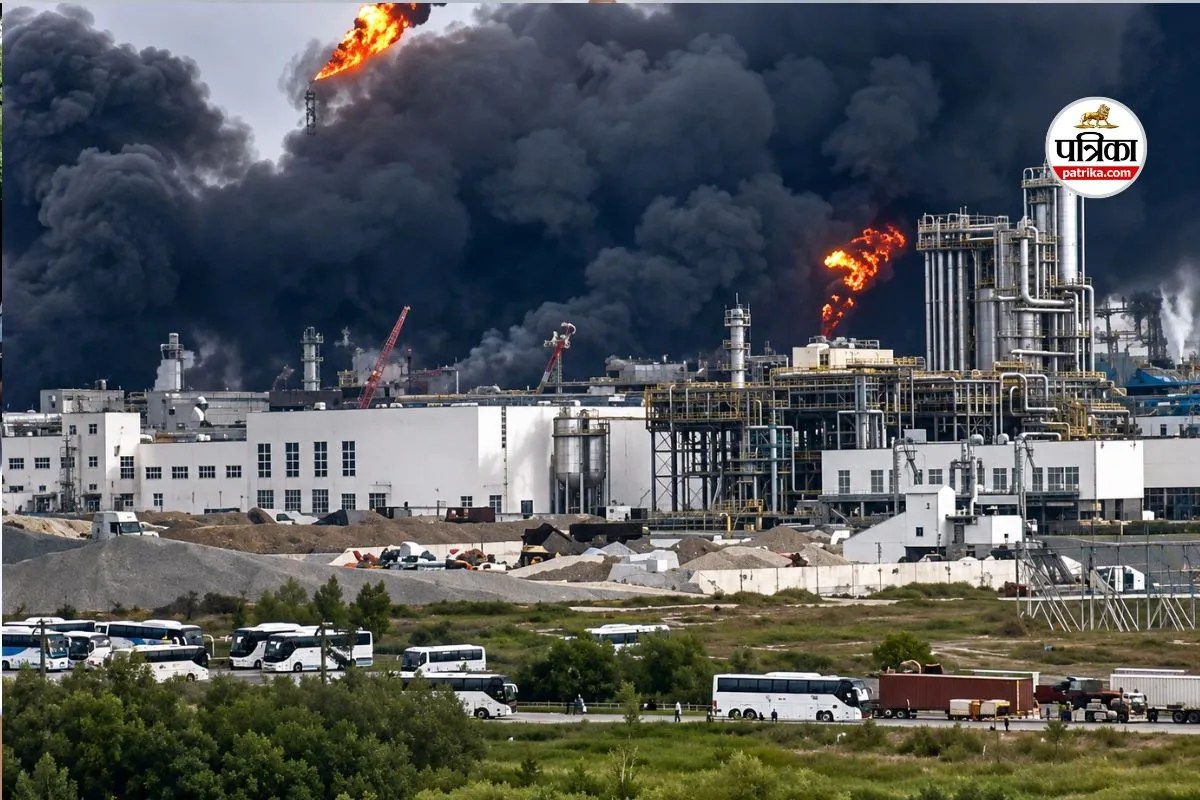
Social media feeds across the country have recently filled with unverified claims and old footage. Coordinated networks are dredging up videos from past demonstrations—including the unrest seen in previous years—and framing them as current events.
Why now? Independence Day acts as a high-visibility target. Bad actors know that national holidays draw massive online attention. By pushing false narratives of widespread chaos, they aim to manufacture panic and undermine public confidence.
Research from Monash University Indonesia revealed a staggering pattern behind these digital campaigns. Analysts tracked nearly 197,000 posts and discovered that an overwhelming majority of the content pushing unrest narratives consisted of automated reposts. Some accounts pushed out material at speeds impossible for human users, pointing straight to bots and bulk-sharing scripts.
Reality Versus the Online Echo Chamber
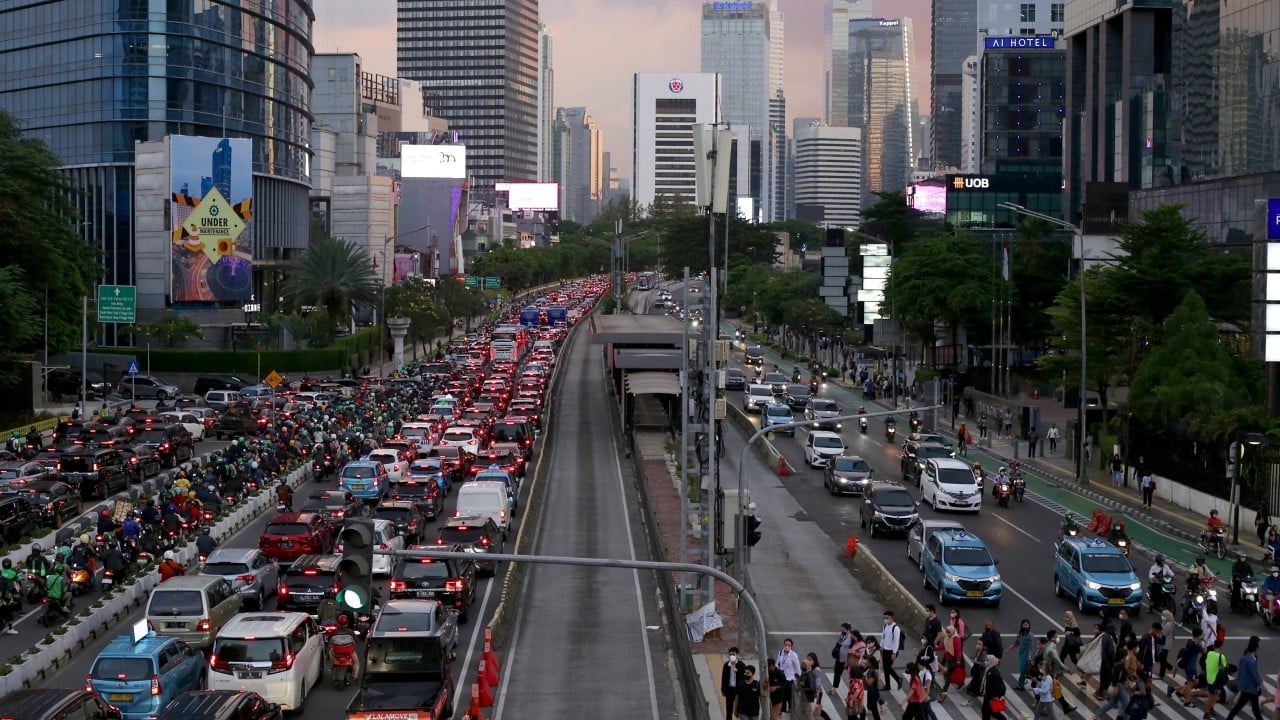
If you step outside in Jakarta, Surabaya, or Medan, you won't see burning barricades or violent clashes. Markets are open. Traffic is jammed. Daily life proceeds normally.
That disconnect exposes the core danger of modern disinformation. The screen in your hand tells you the country is burning, while the street outside your window remains entirely peaceful. Security Minister Djamari Chaniago addressed the joint security apparatus, making it clear that law enforcement will track down the accounts responsible without compromise.
When fake videos blur the lines between reality and fabrication, the biggest casualty isn't a political figure. It's public trust. People lose their ability to distinguish actual events from manufactured fiction.
How to Protect Your Feed
You don't need to be a cybersecurity analyst to avoid falling for these traps. Simple habits keep you from becoming part of the problem.
- Check the timestamp: Old videos are the favorite tool of online agitators. If a clip lacks a clear, verifiable date, assume it's recycled.
- Look for local verification: Major disruptions leave physical traces. If mainstream news outlets and local witnesses aren't reporting chaos, the viral post is likely a hoax.
- Think before you share: Engagement algorithms reward outrage. Hitting the repost button on unverified panic multiplies the reach of bad actors.
Stop amplifying unverified noise. Celebrate the holiday, check your sources, and let reality override the algorithm.