Jakarta wants to pull the emergency brake on nickel processing, and Beijing's multi-billion-dollar bets are suddenly looking vulnerable.
Indonesia's government is weighing a strict freeze or moratorium on new semi-finished nickel smelting projects. Officials are sweating over a massive global supply glut and plummeting prices. Nickel touched a year-to-date low of US$15,510 a tonne, forcing Jakarta to rethink an industrial strategy that once welcomed anyone with a checkbook. If you are a Chinese mining firm or battery manufacturer with capital parked in Indonesian industrial parks, the rules of the game just changed overnight.
The Trap of Raw Resource Nationalism
For years, Jakarta ran a masterclass in aggressive resource nationalism. In 2020, Indonesia slapped an absolute ban on raw nickel ore exports. If foreign battery makers and stainless steel giants wanted Indonesia's mineral wealth, they had to build their furnaces on Indonesian soil.
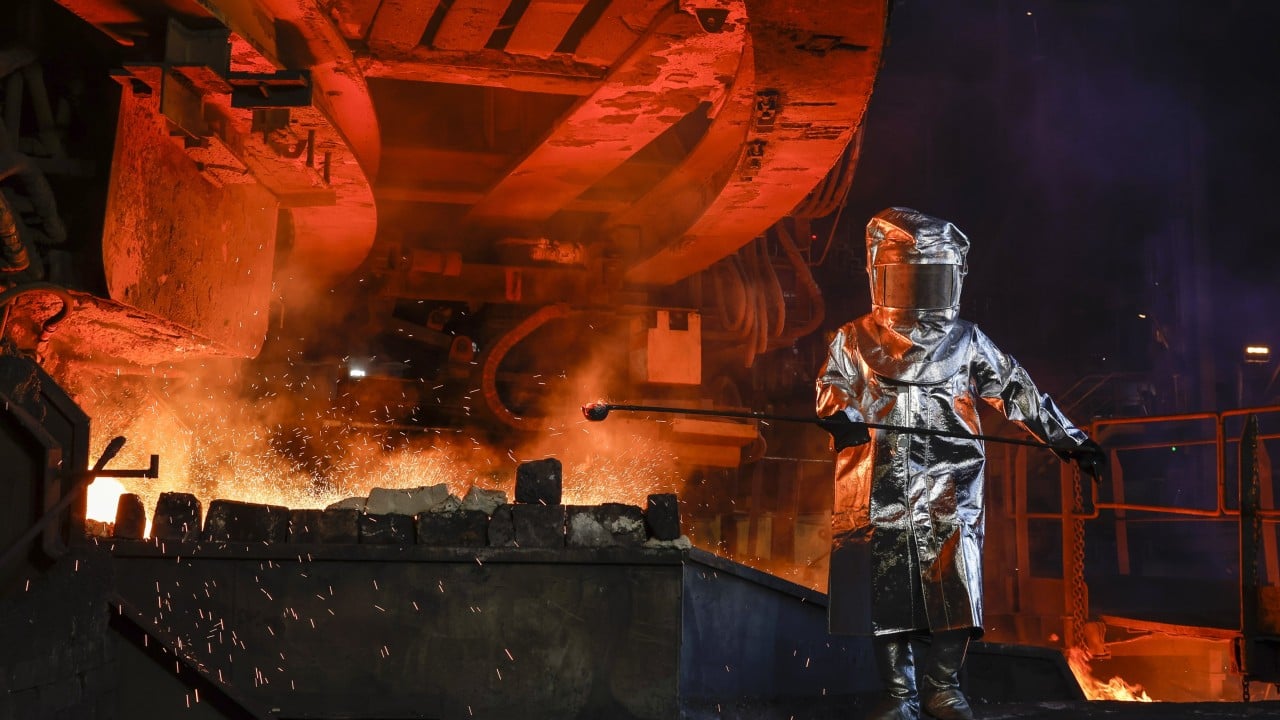
It worked, sort of. Chinese giants like Tsingshan, CATL, and Huayou rushed in, pouring billions into Rotary Kiln Electric Furnace (RKEF) and High-Pressure Acid Leach (HPAL) plants. Today, Chinese-backed entities control roughly 75 percent of Indonesia's nickel refining capacity.
The strategy brought factories, but it also drained natural reserves at a terrifying pace. Current estimates suggest high-grade saprolite reserves could vanish in roughly six years, while limonite might last around 16 years at current extraction rates. Jakarta realized it was trading its long-term geological wealth for cheap semi-finished products like nickel pig iron and ferronickel, which are shipped abroad, processed further, and sold back to Indonesia as expensive finished goods.
Why the Smelter Freeze Hurts Beijing
The proposed moratorium targets semi-finished processing facilities. Indonesian officials want to force a pivot toward high-end downstream manufacturing, such as electric vehicle batteries and electric mobility components.
That sounds noble on paper, but it creates severe friction for existing investors. Chinese firms locked massive capital into immobile, highly specialized assets. Sunk costs are enormous, and exit options are practically non-existent. When Jakarta tightens mining quotas or delays annual work plans (RKAB approvals), operations grind to a halt.
Tensions are already boiling over. Representatives from the China Chamber of Commerce in Indonesia have warned that heavy-handed regulations and over-enforcement are disrupting normal business and eroding confidence. Some estimates suggest up to US$50 billion in existing and planned investments, alongside hundreds of thousands of jobs, hang in the balance.
Jakarta isn't blinking. Indonesian leadership maintains that foreign players can look elsewhere if local rules don't suit their profit margins.
The Global Oversupply Problem
The timing couldn't be worse for investors. Global markets are drowning in excess nickel. Surging output from Indonesian smelters flooded the market just as global demand patterns shifted. China's domestic electric vehicle market aggressively pivoted toward lithium-iron-phosphate (LFP) batteries, which skip nickel entirely.
When supply outpaces demand, prices crater. Producers caught building more capacity are staring down years of compressed margins. Building another smelter in this climate is financial suicide.
What Comes Next for the Supply Chain
The era of easy expansion in Southeast Asia's critical mineral hub is dead. If you operate in this space, stop banking on uninterrupted volume growth.
First, expect tighter production quotas across major operations like the Weda Bay mine. Second, look for distressed asset sales as smaller operators look to shed stakes in unprofitable processing lines. Finally, pivot capital away from basic smelting and toward specialized recycling or high-purity chemical refining that satisfies local mandates.
Adapt to the new regulatory reality or get priced out.