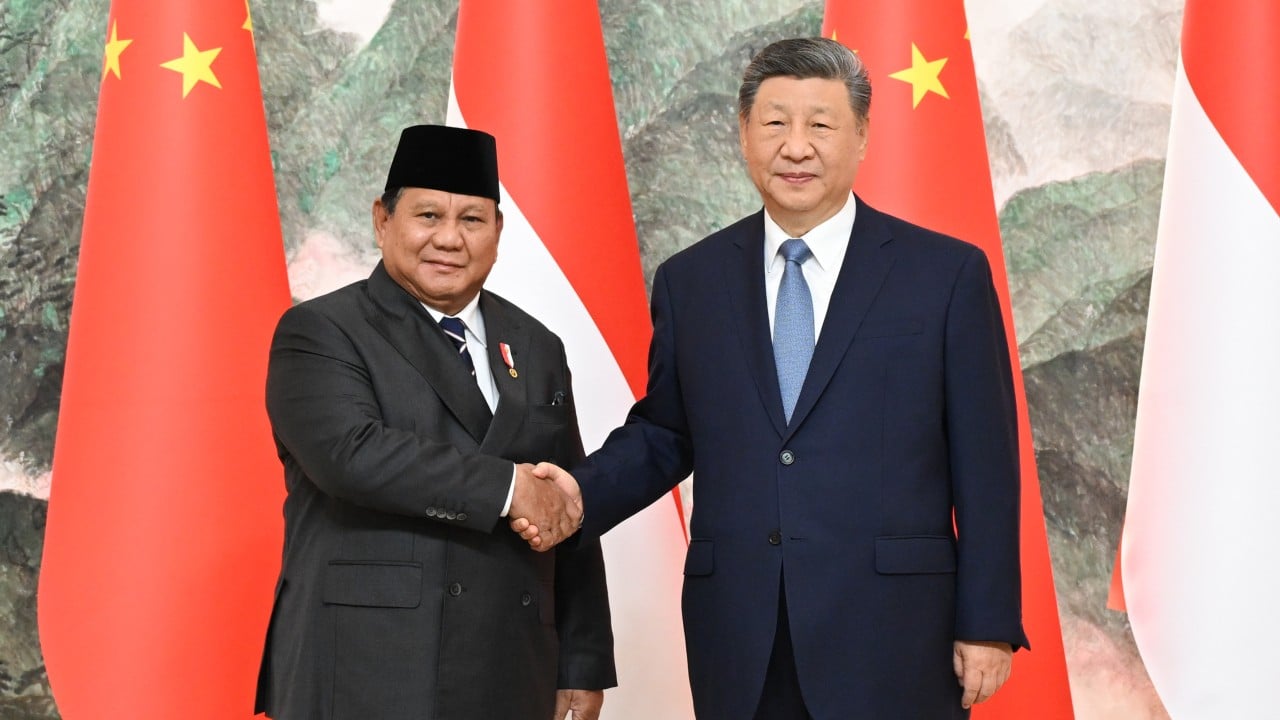
Walking a diplomatic tightrope is expensive. Indonesia is finding out that keeping everyone happy requires more than just neutral words; it demands cold hard cash. Jakarta is actively putting state funds on the line to de-risk Chinese investments. As Washington and Beijing battle for technological supremacy, Indonesia wants a piece of the digital and mineral pie. They aren't waiting around to see how the superpower clash plays out. They are placing direct bets.
You can't talk about modern Southeast Asian economics without looking at how countries handle the US-China tech schism. Most nations try to stay out of the crossfire. Indonesia is taking a different route. By offering financial backing and state-backed incentives, Jakarta is signaling to Beijing that its market is open for business, especially when it comes to critical minerals and artificial intelligence infrastructure.
The Real Cost of Non-Alignment
Neutrality sounds great in diplomatic speeches. On the ground, it's messy. Western restrictions on semiconductor supply chains and Chinese tech companies mean that firms looking to expand overseas face steep regulatory hurdles. Indonesia sees an opening here. Instead of just rolling out the red carpet, the government is absorbing part of the financial exposure.
When you put skin in the game, you share the risk. Chinese firms investing in nickel processing, battery manufacturing, and digital hubs want stability. Jakarta is offering state support to buffer against sudden geopolitical shifts. It's a clever play, but it carries domestic risks. If these projects stumble, taxpayers foot the bill.
Minerals, AI, and the New Industrial Strategy
Indonesia holds massive reserves of nickel, an essential component for electric vehicle batteries. For years, the country demanded that foreign companies process those minerals locally rather than shipping raw ore abroad. That playbook worked. Now, Jakarta is expanding that strategy to cover high-tech sectors, including data centers and AI development.
Chinese tech giants are eager to find friendly foreign jurisdictions as domestic markets saturate and Western doors slam shut. Indonesia offers a massive domestic consumer base and strategic geography. But raw potential isn't enough. By co-funding infrastructure and smoothing regulatory paths, the Indonesian state is actively shaping how foreign capital enters the ecosystem.
What the Headlines Miss
Most coverage frames this entirely through the lens of geopolitics. Analysts love to talk about the US-China rivalry as a zero-sum game where Southeast Asia is just a chessboard. That misses the agency of local leaders. Prabowo Subianto's administration isn't just reacting to Washington or Beijing. They are executing a calculated national industrial policy.
They want high-value tech jobs, not just assembly lines. They want technology transfer. By forcing the issue with state-backed financial commitments, Jakarta ensures that foreign investors have to play by local rules. It's aggressive, and it's high-stakes.
If you're watching global tech supply chains shift, keep your eyes on Jakarta. They are writing a new rulebook for emerging economies caught between giants. Stop looking at it as a passive casualty of trade wars. Indonesia is an active player rewriting the terms of engagement.