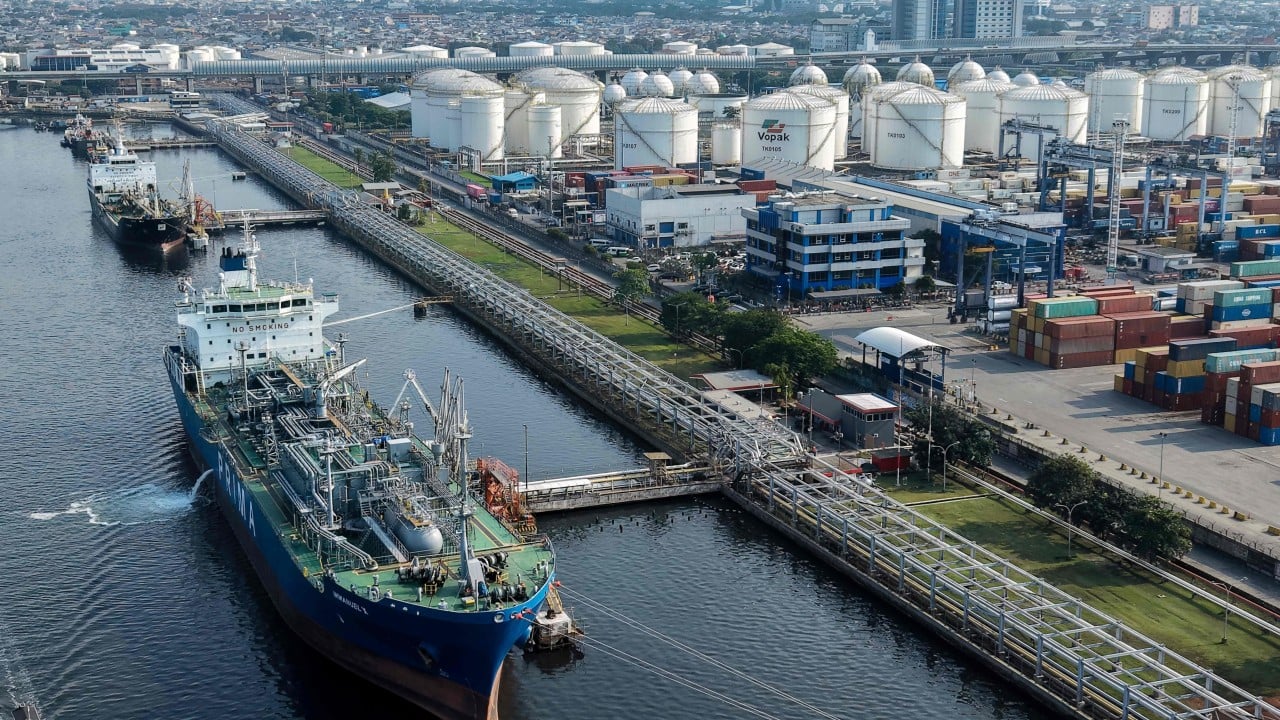
When domestic oil wells pump out less than what the country needs, politicians face a brutal choice. Do they pay top dollar for Western-aligned fuel sources, or do they brave international backlash to keep local pumps affordable? Indonesia has chosen the latter path. Jakarta is pushing ahead with massive Russian crude oil imports, looking straight into the eyes of potential American penalties without blinking.
Domestic production targets in Indonesia are falling short. Energy ministry numbers show daily lifting hovering around 571,731 barrels, missing the official 2026 target of 610,000 barrels. That leaves a glaring deficit. To plug the gap, the government mapped out a phased agreement to haul up to 150 million barrels of Russian crude through the end of the year.
The Mechanics Behind the Deals
Buying oil from Moscow isn't business as usual. Indonesia bypassed traditional state-run energy channels like PT Pertamina for these specific transactions. Instead, the administration handed operations to Lemigas, the oil and gas testing center under the energy ministry.
Deals are structured through government-to-government frameworks before shifting into commercial contracts. This structural pivot relies on Presidential Regulation No. 26/2026, which was fast-tracked to streamline fuel and petroleum imports. President Prabowo Subianto made the strategy clear during the Eastern Economic Forum in Vladivostok, signaling an open door for expanded energy cooperation with Russia.
Energy and Mineral Resources Minister Bahlil Lahadalia has repeatedly defended the strategy. He maintains that securing cheap, stable energy supplies for households and factories overrides external pressure, provided transactions remain compliant with technical regulations.
Walking a Geopolitical Tightrope
Washington hates the arrangement. Temporary waivers issued by the US Department of the Treasury to offload specific Russian cargoes have expired. Western capitals argue that buying Moscow's oil finances ongoing military campaigns in Europe.
Yet Indonesia stands firm on its independent foreign policy. Officials in Jakarta point out that national sovereignty dictates trade partners, not foreign capitals. Aligning closer with emerging economic powerhouses like the BRICS bloc gives Indonesia diplomatic cover to brush off western warnings.
This isn't happening in a vacuum. Other Asian giants face similar heat. New legislation in the United States grants authority to slap heavy tariffs on major buyers of Russian energy, putting heavy importers like India and regional players on high alert. For Jakarta, the immediate threat of domestic inflation and energy shortages outweighs the abstract threat of distant economic penalties.
What This Means for Global Markets
Energy security trumps diplomatic harmony every single time. When energy prices spike due to Middle Eastern conflicts or supply chain bottlenecks, nations look out for themselves first.
Indonesia's gamble shows how Western sanctions are losing teeth in the Global South. If a developing nation needs discounted crude to keep its factories running and inflation under control, it will find a way to buy it. Lemigas will keep processing shipments, and refineries will keep blending Russian barrels.
Keep an eye on secondary trade measures from Washington. If the US decides to make an example of Southeast Asia's largest economy, the cost of cheap oil could rise drastically. Until then, Jakarta's tankers keep moving.