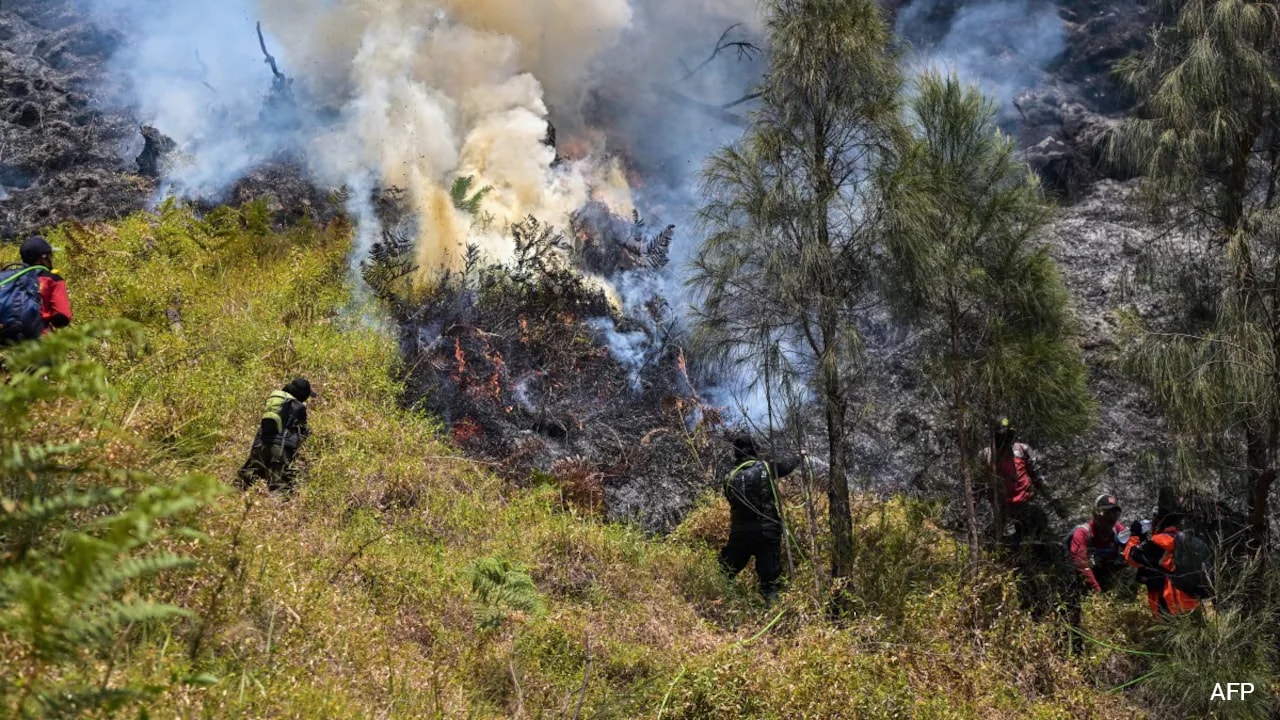
Flames don't care about tourist itineraries. When a wildfire broke out in Indonesia's Bromo Tengger Semeru National Park, authorities didn't hesitate. They shut down access completely.
Right now, 435 acres (176 hectares) of charred land sit near the famed Mount Bromo. If you've ever planned a trip to East Java, you know how iconic this landscape is. Now, it's an active disaster zone.
Here is what's actually happening on the ground, why officials pulled the plug on tourism, and what this means for the region moving forward.
The Reality of Fighting Fires on Volcanic Slopes
Ground crews face a nightmare scenario. The fire started on a Monday, tearing through steep volcanic slopes that basically defy human access.
You can't just drive a fire truck up the side of a steep ridge. Strong winds keep pushing the flames further, accelerating the spread faster than ground teams can dig firebreaks.
That's why the National Disaster Mitigation Agency (BNPB) had to change tactics. Spokesman Abdul Muhari confirmed that two water-bombing helicopters were deployed to handle the spots completely out of reach for firefighters on foot.
Air operations aren't just a luxury here. They're the only option.
Why the Tourism Shutdown Hit Fast
Tourism is the lifeblood of East Java, but safety trumps revenue every single time. Indonesian authorities barred all visitors from entering the Mount Bromo tourist areas until further notice.
Nobody wants a repeat of past disasters. Back in 2023, a reckless pre-wedding photo shoot involving a lit flare torched over 500 hectares in the exact same region. While investigators haven't pinned down the exact trigger for this current blaze, the memory of past human-caused negligence makes officials trigger-happy with closures—and rightly so.
Fortunately, no injuries or property destructions have been officially reported yet. But the margin for error is razor-thin.
The Broader Crisis Across Indonesia
This isn't an isolated incident. Dry spells are hitting hard across the archipelago.
Forest fires have popped up across Sumatra and Borneo. In West Kalimantan's Ketapang Regency, tragedy already struck when a person ran out of oxygen while trying to escape thick smoke.
When dry seasons peak in Indonesia, the threat multiplies. Neighboring countries like Singapore and Malaysia often start monitoring air quality because of cross-border haze.
What Travelers and Locals Should Do Now
If you're heading to Indonesia anytime soon, throw out your old itinerary if it includes Bromo Tengger Semeru National Park.
- Check official updates: Do not rely on outdated blog posts or travel forums. Monitor announcements directly from BNPB or local East Java tourism boards.
- Respect closures: Trying to sneak past checkpoints isn't just illegal; it puts rescue workers' lives at risk if they have to pull you out of a smoke zone.
- Watch the air quality: If you're staying anywhere near active burn zones on Java, Sumatra, or Borneo, keep N95 masks handy and monitor local air pollution indexes.
Wildfires like this show how fragile peak tourist destinations can be when nature pushes back. Stay smart and stay clear of the restricted zones until officials give the all-clear.