You can't spin a one-hundred-dollar gas bill.
When it costs a working family thirty bucks more to fill up a basic pickup truck than it did a year ago, abstract White House press statements about a booming economy fall completely flat. President Donald Trump wants voters to look past the sticker shock, but grocery aisles and gas stations tell a brutal story. Consumer prices keep outpacing paychecks. Families feel poorer, and with the midterm elections just one week away, that economic squeeze threatens to hand control of Congress straight back to the Democrats. Meanwhile, you can read related stories here: Why Suriname's Saamaka Tribe Is Mapping The Amazon To Stop Illegal Logging.
The Reality Behind the Cost of Living Crisis
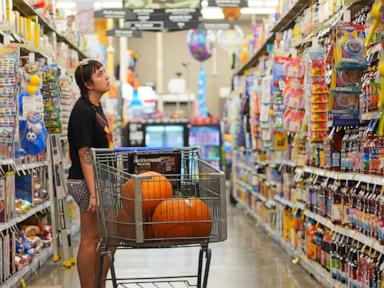
Talk to any shopper staring down the receipt at a local supermarket, and you'll hear the same frustration. Limes, avocados, utilities, and routine home repairs eat up disposable income faster than ever. Mortgage rates remain stuck at punishing levels, virtually locking first-time buyers out of the housing market.
For the past twelve months, inflation has hovered near 3.7%, outstripping wage growth for millions of households. When voters gave Republicans another chance two years ago, they expected immediate relief from the rising cost of living. Instead, many find themselves on a steeper financial treadmill where bills outrun earnings every single month. To see the full picture, check out the recent analysis by BBC News.
White House officials blame temporary market disruptions, pointing squarely at the ongoing conflict with Iran and sweeping tariff policies. Trump insists that once foreign oil prices plunge and the war ends, a true economic golden age will follow. He recently dismissed voter worries about affordability as a Democratic con job, claiming the term means nothing to everyday Americans.
That rhetoric misses the mark. Voters living paycheck to paycheck don't care about political labels. They care about their bank balances.
How the Political Map is Shifting
The electoral fallout is already reshaping competitive congressional districts across the country. Democrats are weaponizing the exact economic anxiety that sank their own candidates during previous election cycles. In toss-up House races and high-stakes Senate contests, opposition candidates are running ads featuring the very same advice Republicans used to give when Democrats held power: go fill up your tank, go buy groceries, and see if the system works for you.
In states like North Carolina and New York, Democratic challengers are tying incumbent Republicans directly to the administration's fiscal missteps. Districts that Trump won by comfortable margins just two years ago are suddenly competitive. Polls suggest voters are willing to look at fresh faces simply because the status quo hurts too much.
At the same time, Republican strategists admit the pressure is mounting. Supporters of the administration argue that tariffs and foreign policy moves were necessary long-term plays, even if they cause near-term pain. Yet patience wears thin when rent hikes add hundreds of dollars to monthly expenses and basic survival feels like an uphill battle.
What Happens Next at the Ballot Box
Elections are ultimate referendums on household wallets. When grocery bills climb and savings dwindle, incumbent parties pay the price at the polls, regardless of who sits in the Oval Office.
As voters head to cast their ballots on November 3, the central question won't be about theoretical policy victories or broad economic metrics. It will be whether people feel more secure than they did a year ago. Right now, millions of Americans have answered that question with a resounding no, and Capitol Hill's balance of power hangs in the balance.