Eight people are dead and eighteen others injured following a devastating apartment building collapse in the Flatbush neighborhood of Brooklyn. The tragedy, which unfolded when a residential structure gave way next to an active excavation site, has triggered a massive regulatory fallout across New York City.
Mayor Zohran Mamdani didn't wait for dust to settle before taking aggressive action. Responding to mounting concerns over urban construction safety, city authorities expanded their investigations far beyond the initial disaster zone. If you've been following how New York handles construction oversight, you know that reactive measures are all too common. This time, however, the scope of the probe signals a sharper push for accountability.
What Happened on Bedford Avenue
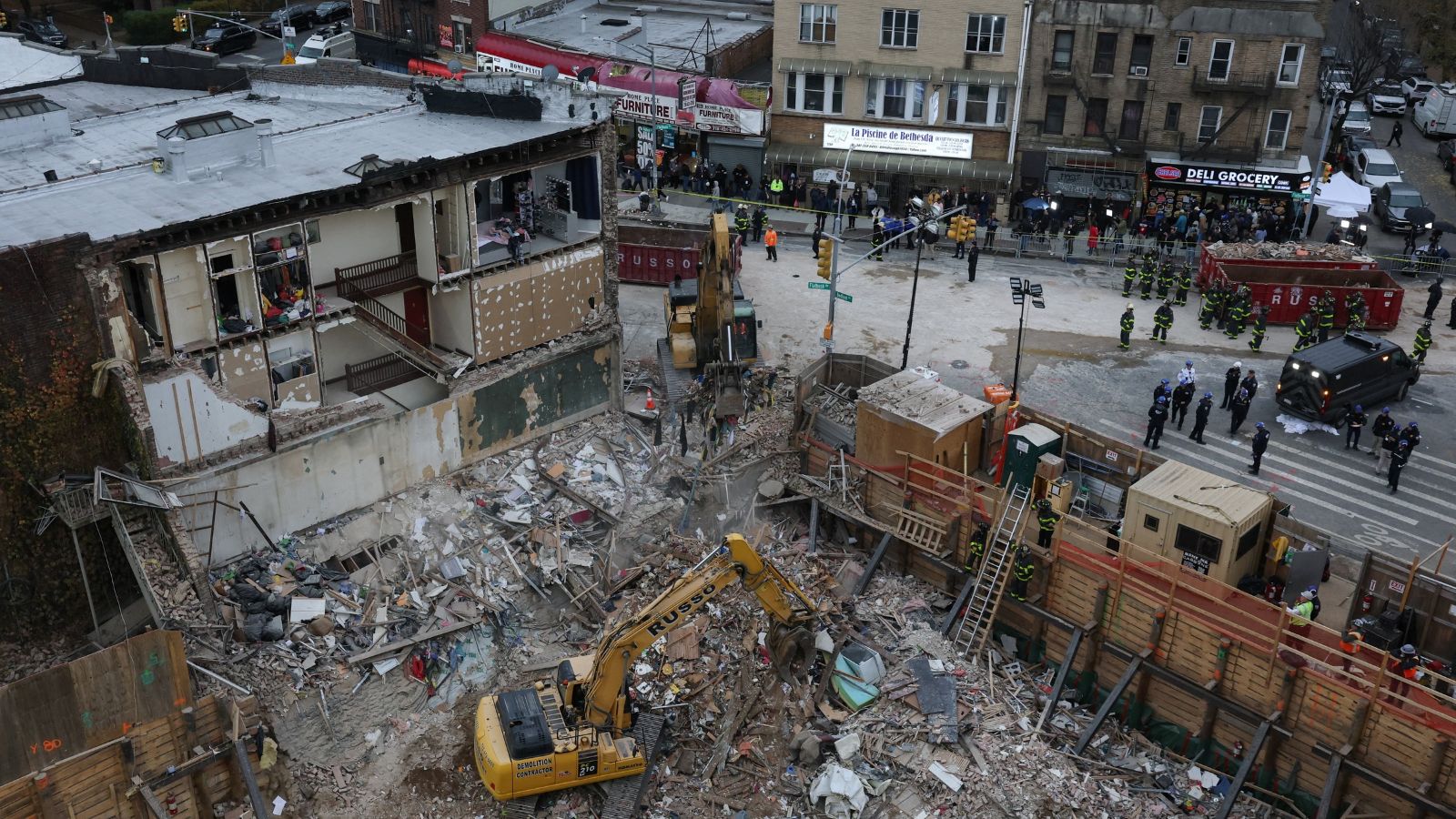
The structure involved was a 1930s-era residential building housing immigrant families. On a Wednesday afternoon, the three-story building collapsed into an adjacent construction pit at 2625 Bedford Avenue, tearing away walls and leaving a horrific mess of exposed staircases and domestic debris.
Emergency responders faced grueling conditions. Roughly 250 personnel worked around the clock through pouring rain to sift through massive blocks of concrete and twisted metal. Six victims died at the scene, while two others succumbed to their injuries at local hospitals. Among the injured were fourteen civilians and four firefighters, highlighting the immediate dangers faced by first responders during structural failures.
While the New York City Fire Department (FDNY) officially concluded its rescue operations after confirming no further victims remained under the rubble, the human cost of the disaster sent shockwaves through the local community.
Why Mayor Mamdani Expanded the Probe
The city's response quickly escalated from a localized rescue mission to a systemic investigation. Mayor Mamdani announced that the probe would not be limited to the immediate parties tied to the Flatbush site. Instead, city inspectors launched sweeps across approximately 100 active construction sites linked to the entities managing the Bedford Avenue project.
"We will hold them fully accountable," Mamdani stated, making it clear that negligence or corners cut during excavation work would face severe consequences.
Department of Buildings (DOB) officials, alongside the Brooklyn District Attorney's office, are currently reviewing permits, material samples, and public-submitted video footage. Records show that while the Bedford project held active permits for foundation work, broader questions about contractor compliance and past violations are dragging companies into the spotlight. A demolition contractor tied to the broader corporate network had previously faced citations for defying stop-work orders. That kind of paper trail is precisely what investigators are zeroing in on to determine if warning signs were ignored.
The Broader Reality of Urban Construction Safety
When developers push dense urban spaces to the limit, older neighboring structures often bear the brunt of subterranean disturbance. Excavation can compromise soil stability, alter water tables, and destabilize vintage foundations built nearly a century ago.
Standard protocols require rigorous monitoring, yet enforcement gaps frequently slip through the cracks until a catastrophe forces a reckoning. By targeting 100 related sites simultaneously, the city is trying to catch similar vulnerabilities before another block faces disaster.
Property owners and construction firms across the five boroughs are now scrambling to ensure their paperwork and stabilization efforts are airtight. For residents living next to active excavation zones, the tragedy serves as a grim reminder to report unusual shifting, cracks, or structural settling immediately through city channels.
The investigation into the Flatbush collapse is still unfolding, and the legal fallout will likely take months to clear the courts. Accountability must mean structural reform, not just temporary crackdowns.