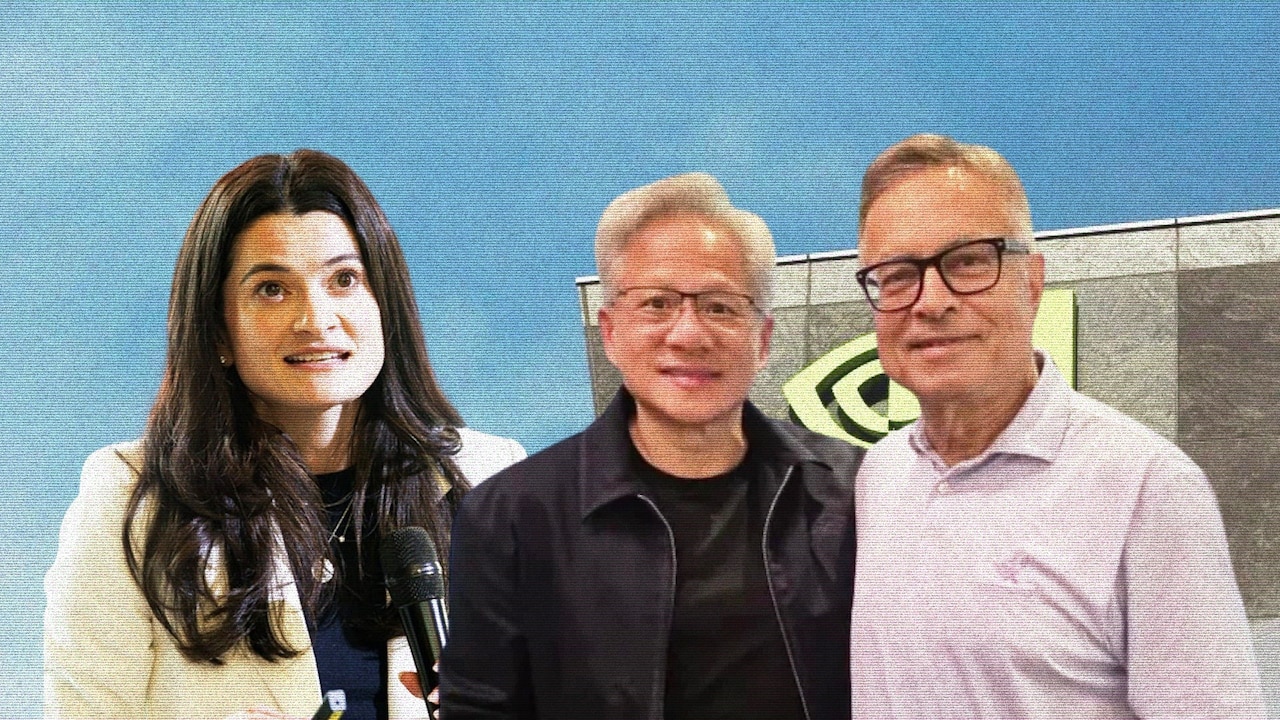
Behind every multi-trillion-dollar tech empire lies a complex ecosystem of intense personalities, family dynamics, and high-stakes power struggles. When corporate culture gets hyper-aggressive, the breaking points usually happen behind closed doors. But sometimes, those boiling points spill out into the open, exposing the fragile boundaries between family legacy and executive management.
Consider what happened during a preparatory video call in February. Jensen Huang, the charismatic chief executive who built Nvidia into an artificial intelligence titan, was scheduled to headline a major conference in New Delhi. When travel plans changed and Jensen pulled out of the trip, he dispatched long-serving executive Jay Puri in his place.
What followed wasn't a standard pre-briefing. Madison Huang, Jensen's daughter and a rising influence within the organization, took charge of the virtual room. As she began berating the team over preparations, tensions flared. Instead of absorbing the corporate dressing down quietly, Puri pushed back against the hostile tone. He drew a hard line, telling her directly that he would answer her questions only when she stopped yelling.
When Jensen Huangs Daughter Clash with Nvidia Veterans Inside the Boardroom
business
Corporate boardrooms are rarely quiet places. When power, billions of dollars, and massive egos collide, sparks fly. This dynamic recently took center stage at Nvidia when Madison Huang, daughter of CEO Jensen Huang, reportedly found herself in a high-stakes clash during a February executive call with longtime Nvidia veteran Jay Puri.
Tech giants don't reach multi-trillion-dollar valuations by playing it safe or nodding politely in meetings. They get there through aggressive debate, intense scrutiny, and an absolute refusal to accept mediocrity. When leadership involves family members stepping into critical operational roles, the pressure cooker gets turned up even higher.
Let's look at what actually happened behind closed doors, why corporate culture at Nvidia breeds this level of intensity, and what this specific exchange reveals about the future of the world's most valuable chipmaker.
The Reality of Leadership Dynamics at Nvidia
Nvidia isn't a traditional Silicon Valley corporation. Jensen Huang runs the place like a high-performance engine where hierarchy matters less than truth-seeking. If you've ever watched Jensen speak about engineering challenges, you know he values raw technical accuracy and brutal honesty over corporate polish.
That culture trickles down to everyone, including family. Madison Huang didn't walk into Nvidia to collect a honorary title or sit quietly in the corner of executive strategy sessions. She stepped into a role requiring operational accountability. When you operate at that level, titles disappear. Longtime executives like Jay Puri, who have spent decades scaling Nvidia's global operations and forging massive enterprise partnerships, aren't accustomed to backing down easily either.
The February call wasn't a PR stunt. It was a raw snapshot of how high-growth tech empires actually operate under immense stress.
Why High-Stakes Disagreements Drive Innovation
Most people outside the corporate world think boardroom arguments signal dysfunction. They assume a healthy company is a peaceful company. They're wrong.
In engineering-led organizations, friction is a feature, not a bug. When veteran leadership clashes with newer perspectives or family members holding operational power, it usually points to a fundamental battle over direction, resource allocation, or execution speed.
Consider the context. Nvidia dominates the artificial intelligence hardware ecosystem. Every single tech titan, from Microsoft to Meta, relies on their GPUs to power the next generation of large language models. The stakes couldn't possibly be higher. Supply chains are strained. Geopolitical tensions threaten semiconductor manufacturing lines. Competition from AMD, custom chips built by hyperscalers, and hungry startups is relentless.
Under those conditions, executives don't have time for gentle feedback. They argue because billions of dollars and market dominance hang in the balance.
The Myth of the Quiet Heir
Nepotism accusations are an easy weapon for outsiders to throw when family members enter executive ranks. Yet, judging by how these internal dynamics play out, the expectation placed on second-generation leadership inside intense tech firms is brutally high.
If Madison Huang pushed back against someone as senior and influential as Jay Puri, it demonstrates that she holds real operational responsibilities and refuses to be sidelined as a figurehead. In high-performance cultures, respect isn't handed out based on lineage. It's earned through competence, domain expertise, and the willingness to stand your ground when challenged by industry veterans.
Jay Puri has spent decades navigating the cyclical nature of the semiconductor industry. He understands the global sales apparatus inside and out. If a strategy disagreement occurred during that February call, it likely centered on how fast Nvidia should pivot, how to allocate scarce GPU capacity among demanding enterprise clients, or how to manage regional market shifts.
What This Means for Nvidia Going Forward
Tech empires face a singular existential threat as they age. They lose their hunger. They become bureaucratic.
Jensen Huang has spent decades actively fighting corporate complacency at Nvidia. By building an environment where fierce internal debates happen openly—even involving family members and longtime lieutenants—the company keeps its startup agility while operating at a multi-trillion-dollar scale.
If you want to understand why Nvidia keeps crushing earnings expectations while legacy tech companies stumble, look right at this culture of intense accountability. Nobody gets a free pass. Not the veterans, not the executives, and not the CEO's family.
Next time you read about a heated executive call, don't look for scandal. Look for the relentless drive to win. That's the engine powering the modern tech landscape.



