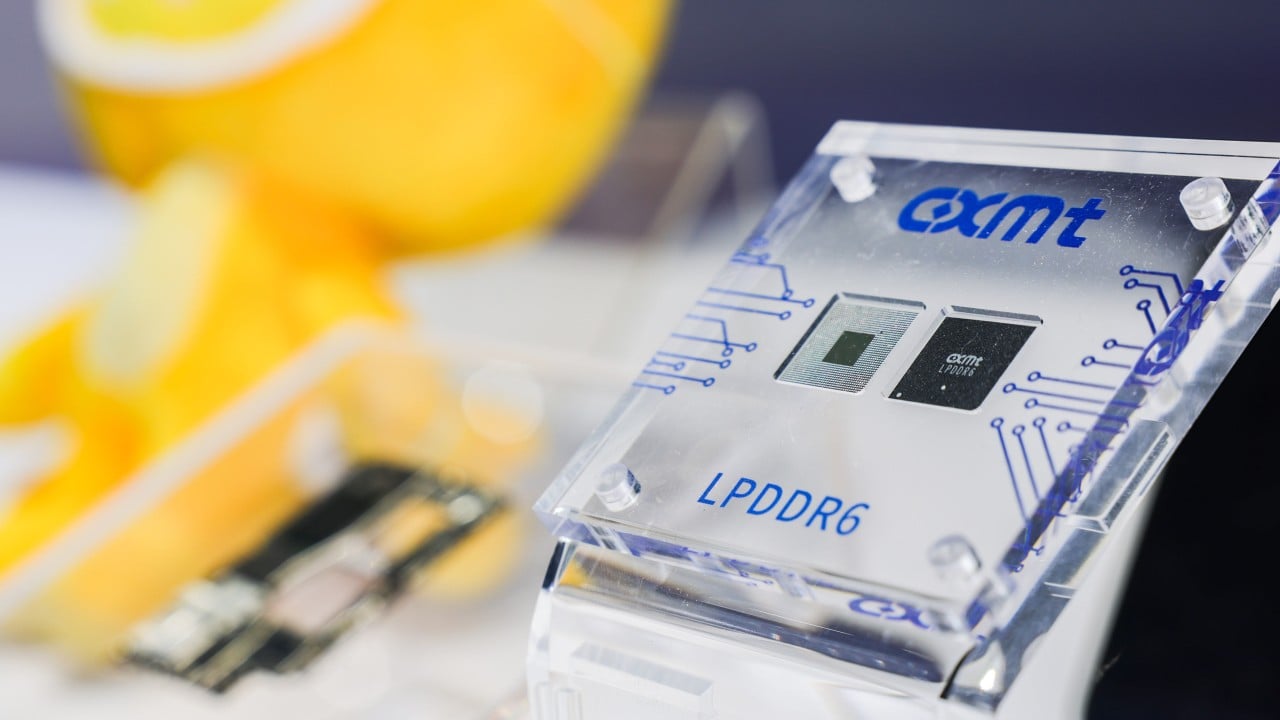
Billions of dollars are flowing into domestic hardware supply chains as ChangXin Memory Technologies doubles down on self-reliance. If you've been watching the global semiconductor race, you know that memory production is where the real geopolitical friction happens. ChangXin Memory Technologies, widely known as CXMT, is pouring roughly US$5.2 billion into a massive capacity and research push. More importantly, sources close to the matter reveal that the chipmaker is heavily prioritizing domestic suppliers to pull it off.
This multi-billion dollar injection comes on the heels of a massive Shanghai Stock Exchange initial public offering that brought in net proceeds of roughly 66.3 billion yuan. With a fresh war chest and immense state backing, CXMT isn't just scaling up quantity. They're trying to insulate themselves completely from external trade restrictions. When you look at why this matters right now, it boils down to tight DRAM supplies, relentless demand for artificial intelligence infrastructure, and an urgent mandate inside China to control every single node of the hardware stack.
The Push for Domestic Supply Chains
Relying on foreign semiconductor equipment makers is becoming a liability. CXMT knows this better than anyone. By turning toward local toolmakers and material vendors for their US$5.2 billion expansion, the company is effectively building a parallel ecosystem.
Building advanced dynamic random-access memory is brutally difficult. Doing it while cutting out established international heavyweights is even harder. Yet, domestic foundries and equipment suppliers across China are stepping up under immense pressure. They're supplying lithography support, etching tools, and crucial testing apparatuses.
When you strip away the corporate PR, this move is about survival and dominance. If supply chains fracture further, CXMT won't be left stranded waiting for imported replacement parts or foreign diagnostic machines. They are keeping the money, the expertise, and the manufacturing loop inside national borders.
Where the Money Is Actually Going
A US$5.2 billion price tag doesn't just vanish into general operations. CXMT is channeling these funds into specific operational bottlenecks.
First, research and development take center stage. The company needs to iterate faster on tighter process nodes, especially as they roll out their G5 platform and latest LPDDR5X products. Competing directly with Samsung, SK Hynix, and Micron requires relentless engineering tweaks.
Second, testing capacity is getting a major overhaul. Historically, chipmakers relied heavily on external packaging and testing houses. As wafer output surges toward historic highs, those external vendors face severe capacity constraints. CXMT is bringing heavy testing operations in-house. This cuts down inspection costs and prevents bottlenecks from stalling shipments to smartphone and PC makers.
The Broader Impact on Global Markets
Memory chips are a commodity, but they dictate the speed of the entire tech sector. As CXMT ramps up production and leans on its home turf, the ripple effects hit global competitors hard.
International firms are watching yields closely. While some foreign reports cast doubt on early high-end yields, others show that mass production of advanced memory components is moving forward anyway. Volume matters. Even if initial efficiencies lag behind industry veterans, sheer output capacity changes pricing dynamics in regional markets.
Domestic tech giants in consumer electronics and computing now have a viable local alternative. Companies building everything from mobile devices to enterprise servers can source components without worrying about sudden export bans or sudden licensing halts from Washington.
What Happens Next
The memory chip landscape won't look the same by the end of the decade. CXMT's playbook is clear: flood the domestic market with locally produced silicon, build out independent testing networks, and starve foreign dependencies of leverage.
Watch the supply contracts over the next twelve months. If local equipment makers successfully handle this multi-billion dollar stress test, the blueprint for complete semiconductor independence stops being a theory and becomes a permanent reality.


