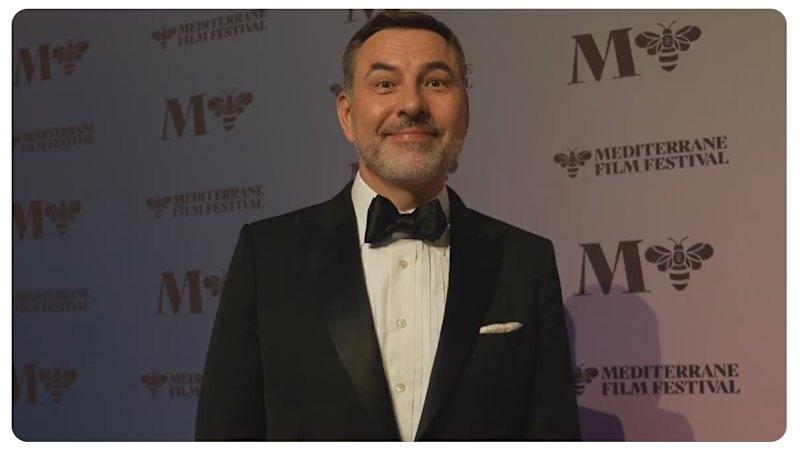
Celebrity anonymity battles rarely stay secret for long. When a massive joint investigation by The Guardian and ITV News finally named British comedian and children's author David Walliams following a failed High Court injunction, it exposed a darker side of British fame. For months, rumors swirled about an unnamed celebrity fighting tooth and nail to block publication. Now that the legal shield has dropped, the public is left reckoning with serious allegations of grooming, sexual misconduct, and power imbalances spanning two decades.
The Anatomy of the Injunction Battle
The road to publication wasn't straightforward. Walliams's legal team went to extreme lengths to protect his identity, arguing in the High Court that going public with the allegations would drive him to take his own life. Justice Matthew Nicklin dismissed the injunction bid, ruling that suppressing the story would be an unacceptable interference with freedom of expression. Crucially, the court noted that because Walliams was receiving psychiatric care under the Mental Health Act, the state had measures in place to handle safety risks, clearing the path for journalists to print what they uncovered.
This legal showdown sparked intense debate about the ethics of reporting versus mental health claims. Critics argued that allowing public figures to use self-harm threats to permanently gag investigative journalism creates a dangerous precedent. Freedom of the press won out, exposing a pattern of behavior that media outlets spent three years investigating.
What the Investigation Uncovered
The joint investigation features accounts from multiple women who allege that Walliams used his massive fame and influence to manipulate them when they were young. Several individuals shared stories dating back to the mid-2000s, alleging that he pursued teenagers and young women in their late teens and early twenties.
One woman detailed meeting Walliams when she was 15 years old, accusing him of grooming and sexual assault. Other accounts describe unwanted physical contact, emotional manipulation, and a recurring dynamic where an older, highly influential celebrity leveraged his status to target vulnerable fans and junior colleagues.
Walliams has strenuously denied all accusations of criminality and sexual predation. In a written response to journalists, he stated that he never broke the law, though he conceded that he acted "thoughtlessly" and failed to properly consider the feelings of people he had casual relationships with. He added that while power imbalances naturally exist when one party is famous, abusing that power is something he never did.
Industry Fallout and Sweeping Backlash
The immediate professional consequences have hit hard. HarperCollins, which published nearly 50 of Walliams's children's books, severed ties with the author following internal investigations into his behavior toward junior staff. Major broadcasting bodies like the BBC have pulled specific programs from their platforms while reviewing all content associated with him. Talent agencies have dropped him from their rosters, signaling a rapid corporate retreat from a man who once dominated British family entertainment.
This fallout follows earlier controversies, including his departure from Britain's Got Talent after leaked transcripts revealed disrespectful remarks about contestants. Cultural expectations around duty of care in the entertainment industry have shifted dramatically. Companies are no longer willing to look the other way when powerful figures cross professional boundaries.
The collapse of David Walliams's public standing shows that the entertainment industry is finally being held to account for the hidden costs of unchecked celebrity power. As more institutions review past behaviors and prioritize safe work environments, the old playbook of hiding behind legal threats is losing its power.


