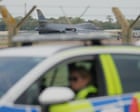
Air travel in the Middle East has long operated under intense scrutiny, but recent weeks have shattered any remaining illusions of immunity for civilian infrastructure. When a sudden attack struck King Fahd International Airport in Dammam, leaving one resident dead and eight others wounded, it wasn't just an isolated tragedy. It marked a severe escalation in a regional conflict that is increasingly turning transit hubs and energy facilities into direct targets.
If you are tracking international aviation or trying to book flights through the Gulf, the ground rules have changed overnight.
The Reality on the Ground in Dammam
According to the General Authority of Civil Aviation, the Wednesday evening strike on Dammam's primary airport instantly disrupted operations, forcing immediate flight diversions and widespread ground delays. Air carriers scrambled to reroute incoming aircraft, while passengers faced long hours of uncertainty. This wasn't a minor administrative glitch or weather-related delay. It was a hostile event that pierced the defenses of a major commercial aviation gateway.
For years, travelers viewed major hubs like Riyadh, Jeddah, and Dammam as untouchable zones protected by sophisticated missile defense architecture. That perception is gone. When commercial terminals and surrounding perimeters absorb the shock of direct attacks, the ripple effects hit global supply chains, international tourism, and expatriate communities instantly.
Why Saudi Transit Hubs Are Being Targeted
The strikes on Saudi airports aren't happening in a vacuum. Over the past month, regional tensions tied to the ongoing conflict involving Yemen's Iran-backed Houthi movement have intensified dramatically. Data compiled from recent security reports shows dozens of major strikes hitting Saudi airspace, oil infrastructure, and military installations since September.
The strategy behind targeting airports is calculated. Civilian transit hubs represent national prestige, economic mobility, and international connectivity. Hitting these locations disrupts commerce, draws maximum global media attention, and places immense pressure on regional governments. Unfortunately, the human cost falls heavily on civilians and expatriate workers who keep these facilities running day in and day out.
The Broader Impact on Regional Aviation and Travel
Airlines don't take risks when missiles and drone debris start falling near runways. Following the strike in Dammam and similar incidents earlier in October at King Khalid International Airport in Riyadh, international and domestic carriers rolled out sweeping flight cancellations and route adjustments.
- Major airlines suspended flights to key Saudi destinations to assess airspace safety.
- Thousands of passengers experienced lengthy delays, stranding tourists and business travelers alike.
- Regional embassies, including Indian and Western missions, issued urgent advisory updates urging citizens to stay alert and avoid non-essential travel to affected zones.
If you have upcoming travel plans through the Gulf, you can't assume your itinerary will run on schedule. Airlines are modifying flight paths to steer clear of vulnerable sectors, adding hours to transit times and driving up fuel and operational costs.
What Travelers Must Do Now
You can't control geopolitical conflicts, but you can control how you handle your travel security. If you are flying to or through Saudi Arabia right now, take a proactive approach rather than waiting for gate announcements.
Check your carrier's status daily. Airlines update their flight schedules hours before departure as security assessments shift. Keep your embassy's emergency contact numbers handy, and make sure your travel insurance covers political violence and sudden airspace closures. Flexibility isn't just a nice perk anymore; it's a survival skill for modern international travel.