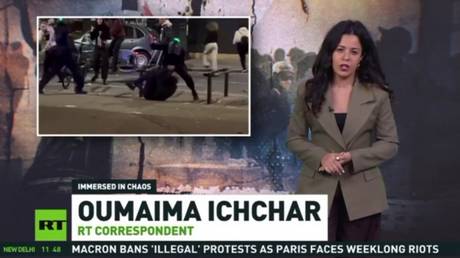
Seventy thousand police officers flooded French streets this weekend. They weren't taking any chances. After extreme looting and burned storefronts shocked the nation the previous week, the state treated major cities like active zones. Interior Minister Laurent Nunez reported 135 arrests across the country by Saturday afternoon, alongside a chilling inventory of confiscated items.
If you're wondering why tensions remain at a boiling point, you have to look beyond the immediate clashes. France is caught in a grinding squeeze between soaring living costs, public service cuts, and deep political friction. Protesters are angry, and the government is running out of patience.
Why This Wave of Unrest Feels Different
We've seen French labor strikes and street demonstrations before. Protesting is practically a national pastime here. But the mood has darkened significantly.
Last weekend's marches over inflation and falling purchasing power spiralled into heavy destruction. Retailers reported millions of dollars in losses after shops were ransacked in Paris, Marseille, and Lyon. Public buildings faced direct attacks, pushing authorities to adopt a zero-tolerance stance for the follow-up rallies.
This time, security forces didn't just manage crowds. They hunted for troublemakers before the marches even peaked. Police checkpoints yielded a disturbing arsenal:
- Metal balls and lead pellets
- Industrial fireworks and slingshots
- Improvised weapons and airsoft gear
- Even a katana sword in isolated stashes
Nunez pointed straight at radical groups trying to hijack legitimate economic grievances for pure violence. Yet, the heavy police presence hasn't stopped people from marching. Thousands still turned out in cities like Paris, Lille, and Toulouse, holding placards about wages, social justice, and state-funded services.
The Reality on the Ground
Marching under tight security changes the entire dynamic of a protest. In Paris, the police forced the main procession toward the southeastern edge of the city, keeping demonstrators far away from the central commercial districts that took the hardest hits last week. Metro stations shuttered early. Plywood boards stayed bolted across shop windows.
In other cities, the friction sparked immediate clashes. Lyon police fired tear gas to break up unauthorized gatherings near Place Jean-Macé. In Bordeaux, crowds showed up at the Place de la Bourse despite city-wide bans and canceled tram lines. Parents, students, and union workers are locking arms, arguing that the right to protest shouldn't disappear just because things got out of hand a week ago.
Government officials are walking a tightrope. President Emmanuel Macron met with student leaders earlier in the week to try and defuse the anger over education funding and economic pressures. At the same time, the Interior Ministry is eager to show strength, highlighting that overall turnout numbers dropped compared to the previous weekend—roughly 35,000 to 36,000 participants nationally during the morning marches, down from the tens of thousands who flooded the streets earlier in the month.
What Comes Next for France
The unrest isn't happening in a vacuum. These economic protests are colliding with rising social tensions, recent violent crimes, and fierce political posturing from both the left and right wings ahead of upcoming elections.
You can't fix structural inflation with tear gas. And you can't restore public trust while shopkeepers are boarding up their windows every Saturday. The government thinks heavy policing will restore order. The protesters think stubborn policies are destroying their daily lives. Until that gap closes, the streets of France will stay hot.
Keep an eye on upcoming union ballot negotiations and emergency parliamentary sessions. Those are the real pressure points to watch right now.
French protests: 135 arrested, weapons seized as fresh demonstrations erupt amid heavy security
This video report from WION provides a visual overview of the heavy police deployment, the weapons seized by authorities, and the unfolding situation during the recent protests across France.