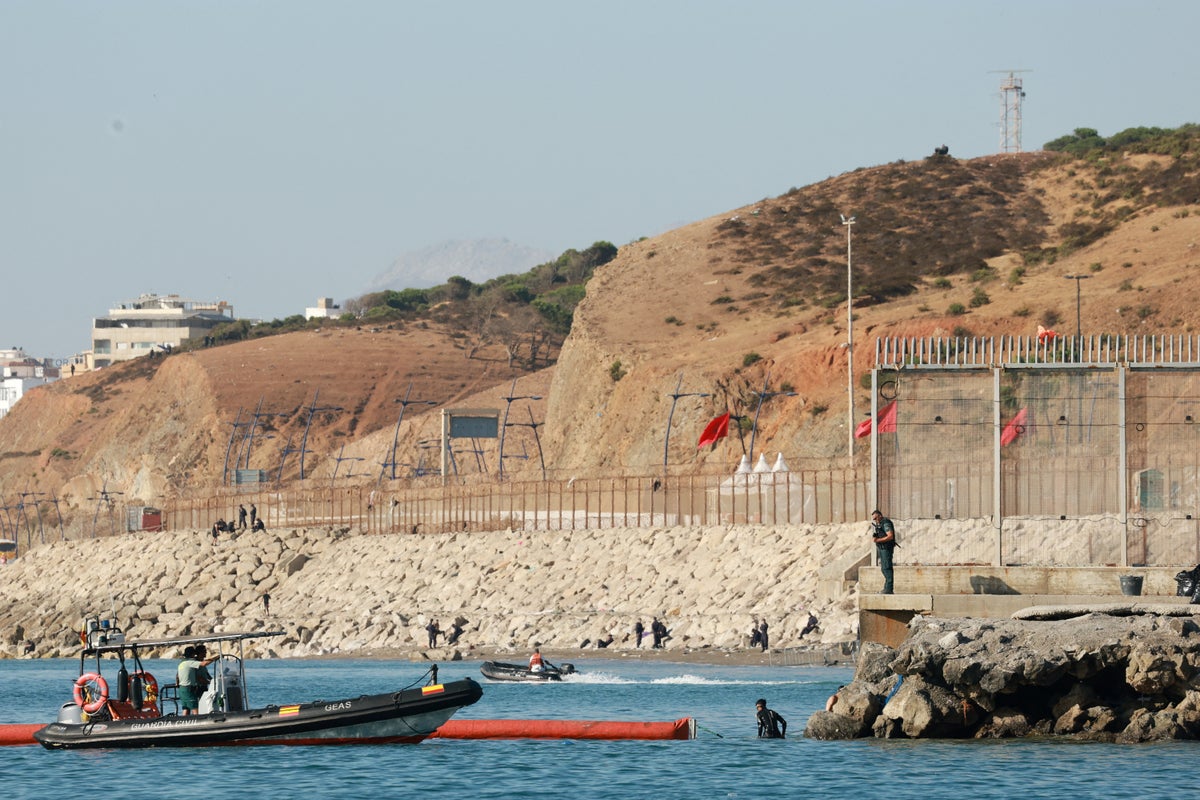
Law enforcement agencies don't always win. Criminal cartels adapt, upgrade their fleets, and find new marine pathways faster than bureaucrats can sign paperwork. But Spanish authorities just flipped the script on one of the most lucrative and ruthless trafficking operations in Europe.
The Civil Guard and the National Police shattered a transnational syndicate that funneled over two thousand migrants into mainland Spain and Ibiza using high-powered speedboats. This wasn't a minor ring of small-time operators. It was a multi-million-euro enterprise blending human cargo with synthetic drug trafficking across the Mediterranean.
The Machinery of a Billion-Euro Smuggling Ring
You cannot run a fleet of high-performance marine vessels across open water without serious infrastructure. Transnational syndicates treat human smuggling like an elite supply chain logistics problem.
Investigators revealed that the dismantled network used a clever multi-stage model. They smuggled synthetic drugs like MDMA from Spain to Algeria on outbound journeys. On the return trip, they packed those exact same high-speed vessels with up to fifty desperate migrants per crossing.
They charged up to 12,000 euros per person. The operation generated an estimated 24 million euros in profits while carrying out at least 64 separate crossings.
The syndicate relied on specialized roles:
- Technicians managing mobile marine repair workshops built directly into truck trailers.
- Spotters running countersurveillance to track local law enforcement.
- Financial managers laundering millions through shell fronts.
Speed is the ultimate asset for these groups. By utilizing high-powered semi-rigid vessels, the traffickers cut crossing times down to a fraction of what traditional wooden fishing boats require. They minimized radar profiles and reduced the window for maritime patrols to intercept them.
Shifting Routes and Rising Dangers in Ibiza
The Mediterranean migration map is constantly changing. While traditional routes to the Canary Islands saw fluctuations, maritime smuggling targeting the Balearic Islands and southeastern Spain spiked significantly.
Smugglers redirected operations toward Ibiza and mainland shores as patrols tightened elsewhere. But speed comes with a horrific human cost. Packing dozens of individuals into low-profile, vibrating hulls moving at breakneck speeds across choppy open water invites disaster.
Survivors often recount terrifying conditions. Overcrowding, zero safety gear, and extreme violence from cartel enforcers define the journey. Criminal crews routinely force passengers overboard at knife-point near the shore to turn their vessels around instantly and evade police interception.
When authorities raided the network, the scale of the hardware seized shocked even seasoned officers.
Seizures included:
- 18 high-speed vessels equipped with massive outboard engines.
- Dozens of fuel jerrycans and satellite phones.
- High-end vehicles and heavy boat trailers.
- More than 80,000 euros in immediate cash on-site.
Operation results spanned international borders. Joint efforts with Europol alongside police forces in France, Portugal, and Poland led to 77 arrests in Spain and additional captures abroad.
What This Means for Europe's Maritime Borders
Taking down a kingpin syndicate disrupts regional operations, but it rarely stops the flow permanently. Competitor networks immediately step up to bid for market share.
Law enforcement agencies now face a perpetual technology race. When cartels adopt military-grade marine tech, coast guards must respond with advanced aerial surveillance, predictive intelligence sharing, and aggressive asset freezing.
If you're tracking European security policy, watch how intelligence taskforces integrate cross-border data. Single-nation policing fails against transnational syndicates operating across North Africa and the European Union simultaneously. Real progress requires synchronized intelligence sharing in real time.
Check local maritime updates and international law enforcement briefs if you want to track how these regional security corridors evolve over the coming months.
/media/movies/covers/2026/05/cats_aN0SAZJ.png)