Washington loves a good policy turf war, but the current crossfire surrounding Commerce Secretary Howard Lutnick, Wall Street giant Cantor Fitzgerald, and chip titan Nvidia has escalated past standard bureaucratic bickering.
When massive geopolitical security concerns intersect with high finance, the fallout rarely stays contained. Treasury Secretary Scott Bessent recently pointed a finger straight at Lutnick’s Commerce Department during a CNBC appearance, highlighting deep divisions within the administration over export controls and the handling of sensitive technology leaks. At the center of this storm are questions about regulatory blind spots, Wall Street positioning, and the tangled web connecting government policy makers to the semiconductor industry's biggest players.
Let us look past the talking points and break down what is actually happening behind closed doors.
The Cantor Fitzgerald Connection and Market Optics
You cannot talk about Howard Lutnick without looking at Cantor Fitzgerald, the powerhouse financial firm he led for decades before moving into public service. Leadership has since transitioned to his sons, but the firm's portfolio choices still draw intense scrutiny from watchdogs and lawmakers alike.
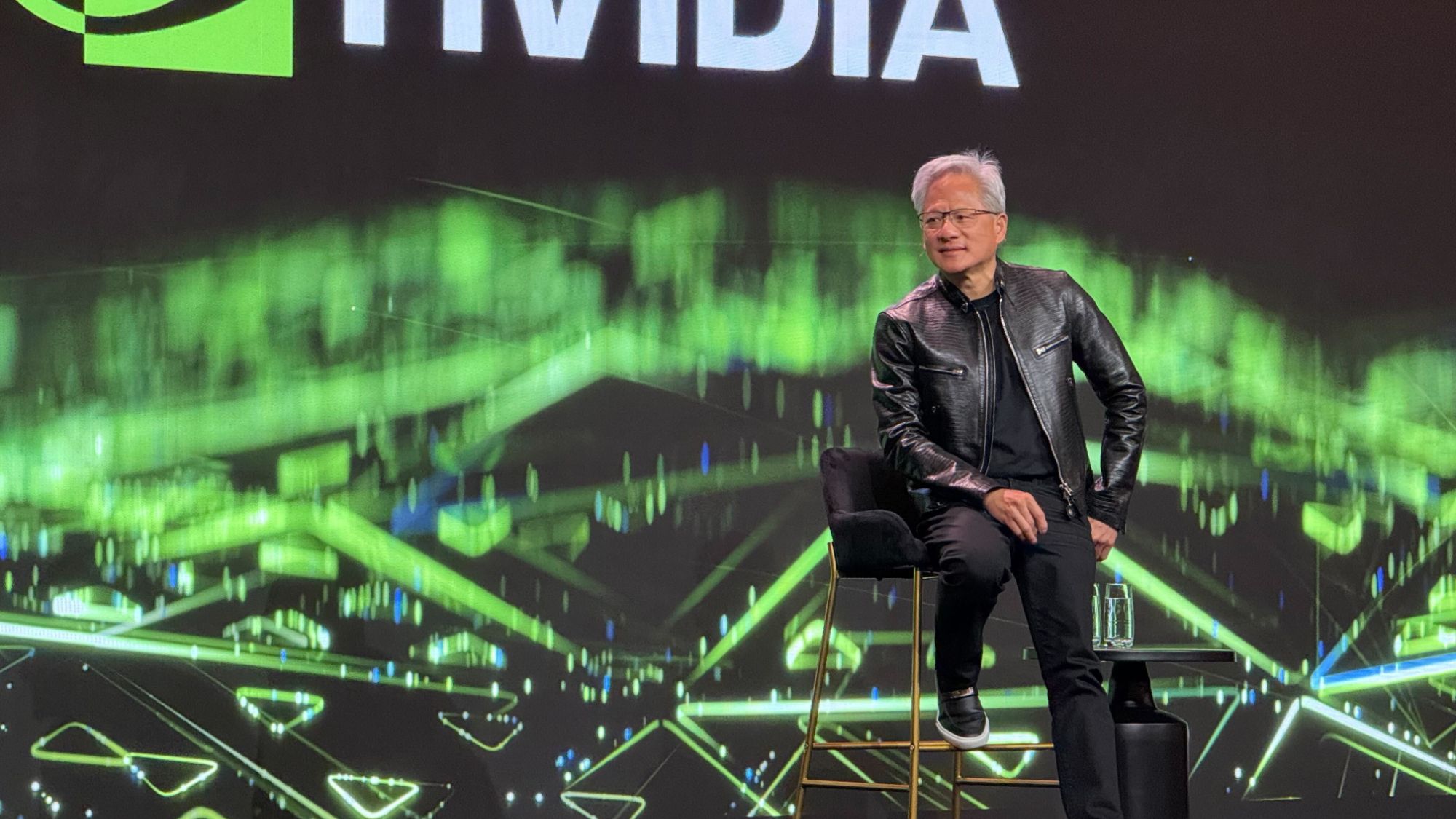
Recent disclosures revealed that Cantor Fitzgerald trimmed a substantial chunk of its Nvidia holdings—reporting a notable reduction in its share count. In Washington, timing is everything. When a firm intimately tied to a sitting cabinet secretary makes major adjustments to stock positions in a company facing intense federal scrutiny, eyebrows shoot up. Critics are asking hard questions about potential conflicts of interest, even as defenders argue that routine portfolio management happens independently.
Regardless of intent, the optics are messy. Markets hate uncertainty, and when regulatory agencies clash over who dropped the ball on chip export enforcement, institutional portfolios become lightning rods.
Where the Enforcement Breakdown Happened
The core of the current pressure on Lutnick revolves around export controls and whether enough was done to prevent sensitive hardware from slipping through the cracks toward Chinese buyers.
Treasury did not hesitate to remind everyone where primary authority lies. Bessent's public remarks made it clear that when it comes to trade enforcement and licensing restrictions, Commerce holds the pen. That distinction matters. Lawmakers on Capitol Hill are demanding answers regarding intelligence memos, security briefings, and how rigorous the vetting process really is when trillion-dollar semiconductor giants operate at the center of US-China tech competition.
The tension exposes a fundamental friction point in modern economic statecraft. Officials want American champions like Nvidia to dominate global artificial intelligence infrastructure, but national security hawks argue that open market access creates unacceptable national security risks.
Congressional Pressure and What Comes Next
House committees aren't letting this fade into the background. Lawmakers are pressing for closed-door briefings and examining whether export oversight protocols need an immediate overhaul. If high-ranking officials failed to act swiftly on intelligence warnings regarding corporate connections or chip diversion paths, legislative checks will only intensify.
The reality is that managing tech supply chains in 2026 is an impossible tightrope walk. Push too hard on restrictions, and you alienate Wall Street and silicon executives. Pull back too lightly, and you hand geopolitical rivals an opening in the race for artificial intelligence supremacy.
Howard Lutnick finds himself right at that painful intersection. How the administration navigates these investigations will shape trade policy for the rest of the decade.