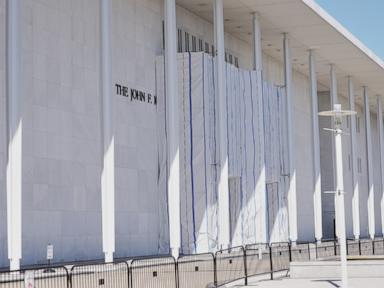
The legal war over Washington's premier cultural landmark is escalating fast. Federal lawyers for the Trump administration recently pressed a federal judge to lift a standing injunction that currently blocks a controversial two-year closure of the John F. Kennedy Center for the Performing Arts.
If you've been following the drama, you know this isn't just about routine building maintenance. It’s the latest chapter in a high-stakes clash involving executive overreach, federal authority, a contentious board reshuffle, and an ongoing fight over institutional identity in the nation's capital.
How the Kennedy Center Dispute Reached This Point
The feud traces back to late 2025, when a handpicked, Trump-aligned board voted to rename the storied performing arts venue and alter key operational bylaws. That move triggered immediate legal pushback. U.S. Representative Joyce Beatty of Ohio, serving as an ex officio member of the board, filed a lawsuit challenging the actions alongside advocacy groups like Democracy Defenders Action and the Washington Litigation Group.
U.S. District Judge Christopher Cooper subsequently ruled against the administration's efforts, finding that the board lacked the legal authority to unilaterally rename an institution established and named by an act of Congress. The court also blocked subsequent attempts to shutter the facility, arguing that the rushed closure process lacked proper justification and transparency.
Yet, the administration isn't backing down. Justice Department lawyers returned to court to argue that a complete, two-year shutdown is the single most cost-effective and efficient path to address pressing structural deterioration and infrastructure needs.
Why a Two-Year Closure Sparks Fierce Debate
Government attorneys maintain that the facility requires substantial repairs. Supporters of the shutdown point to physical wear, pointing to safety assessments and structural upkeep that they argue cannot safely take place while hosting a full calendar of public events.
Critics and legal challengers see things differently. They view the proposed multi-year blackout as a punitive or politically motivated maneuver designed to sideline an independent cultural institution. Because the ongoing legal battle has effectively paralyzed normal operations—even forcing the relocation of high-profile events like the Kennedy Center Honors to alternative venues like the Capital One Arena—the stakes for the local arts community couldn't be higher.
What Happens Next in Federal Court
Judge Cooper now faces the task of weighing engineering reports and safety claims against allegations of procedural bad faith. The core legal question remains straightforward: Does the board's operational mandate allow them to effectively mothball a federally backed cultural center for two years, or does doing so cross the line into unlawful executive interference?
As both sides lock horns in district court, the future of Washington's arts anchor hangs in limbo. Resolution will depend entirely on whether the judiciary accepts the administration's structural justifications or views the shutdown as an extension of an unauthorized takeover. Keep a close eye on the federal docket, because Judge Cooper's upcoming rulings will dictate whether the venue goes dark or stays open for business.