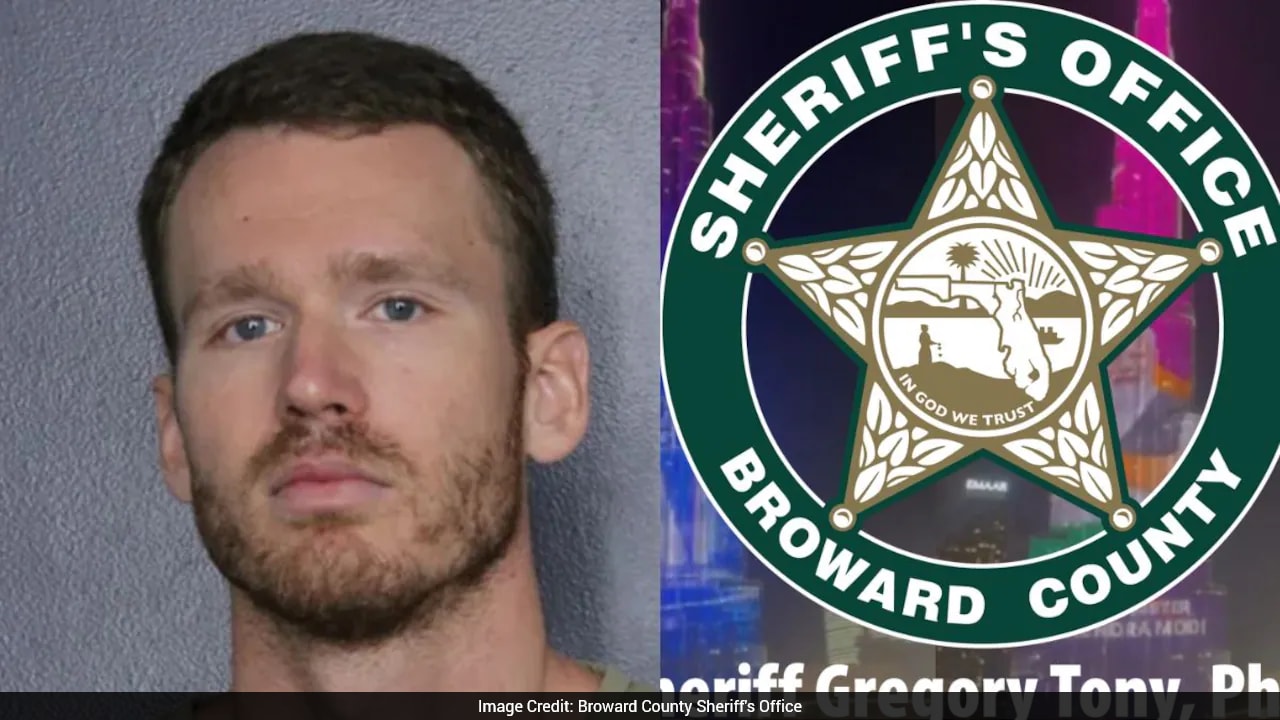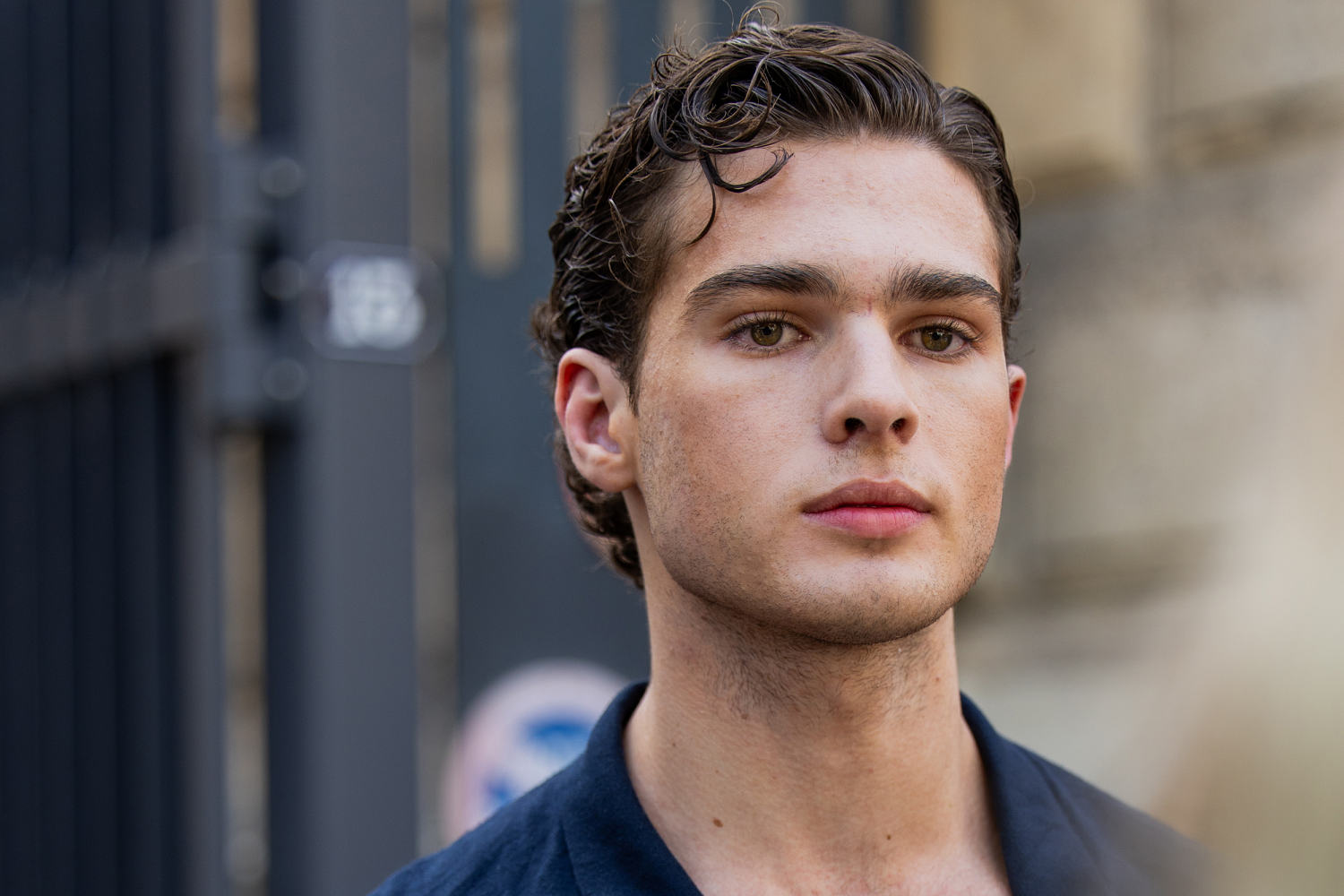
Internet subcultures often bleed into real-world chaos, and few figures represent that collision quite like the livestreamer known as Clavicular. Born Braden Peters, the prominent "looksmaxxing" content creator recently walked into an Orleans District Court courtroom in Massachusetts to face serious felony counts. He pleaded not guilty to charges including rape, drugging a person for sexual intercourse, and procuring liquor for a minor.
The case highlights the dark side of modern digital fame. Millions of followers tune into hours-long broadcasts where influencers rate faces, promote extreme cosmetic routines, and push boundary-testing stunts for views. When those online personas collide with actual criminal courts, the fallout extends far beyond comment sections and subscriber counts. Building on this theme, you can also read: What The New Starry Night Study Gets Right About Vincent Van Gogh.
The Allegations and the Courtroom Scene
The charges stem from an incident at a Peters family home in Massachusetts. According to investigators, a young woman who had appeared in his streams alleged that Peters provided her with vodka while cameras rolled, livestreaming interactions while she was heavily intoxicated. She told police that she woke up the next morning to an assault.
During his recent arraignment, Peters maintained a neutral expression. His bail was set at $10,000, and standard conditions were imposed. He must surrender his passport and have zero contact with or online commentary about the accuser. Defense attorneys have dismissed claims as a publicity grab, while the legal battle prepares for future hearings. Experts at The Washington Post have provided expertise on this situation.
A Pattern of Contentious Public Stunts
This Massachusetts case isn't Peters' first brush with law enforcement. The twenty-year-old influencer has built a massive audience by pushing controversial behavior on camera, translating online shock value into real-world legal scrutiny.
Earlier this year in Florida, Peters faced a misdemeanor battery charge after police stated he provoked a physical altercation between two women and broadcasted it online. Though that specific charge was later dropped, he didn't escape legal consequences entirely. In a separate Florida incident, he received probation after entering a no-contest plea for recklessly discharging a firearm during an airboat livestream.
These recurring legal troubles point to a broader shift in digital media. Content creators often chase engagement metrics by escalating risks, testing ethical boundaries, and blurring the line between performance and reality. When law enforcement steps in, the consequences shift from algorithmic bans to court dockets and criminal charges.
What Happens Next in the Case
As the legal proceedings move forward, the defense will contest the evidentiary strength of the prosecution's filings, while the state builds its case around the initial police reports and digital footprints left behind during the streams. Peters remains innocent until proven guilty in a court of law, but the trajectory of his online career has fundamentally shifted.
Creators who monetize extreme lifestyles often find that real-world legal accountability moves much slower than internet clout, but hits infinitely harder. The outcome of this trial will set a definitive precedent for how courts handle crimes allegedly committed and broadcasted by digital influencers.