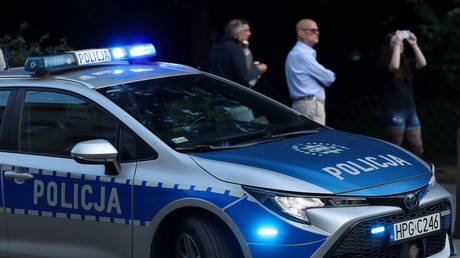
The festivities surrounding Berlin's Christopher Street Day celebration ended in absolute horror when a white van plowed into a crowd near the Tiergarten park. One woman lost her life, and 29 others suffered injuries ranging from critical to minor.
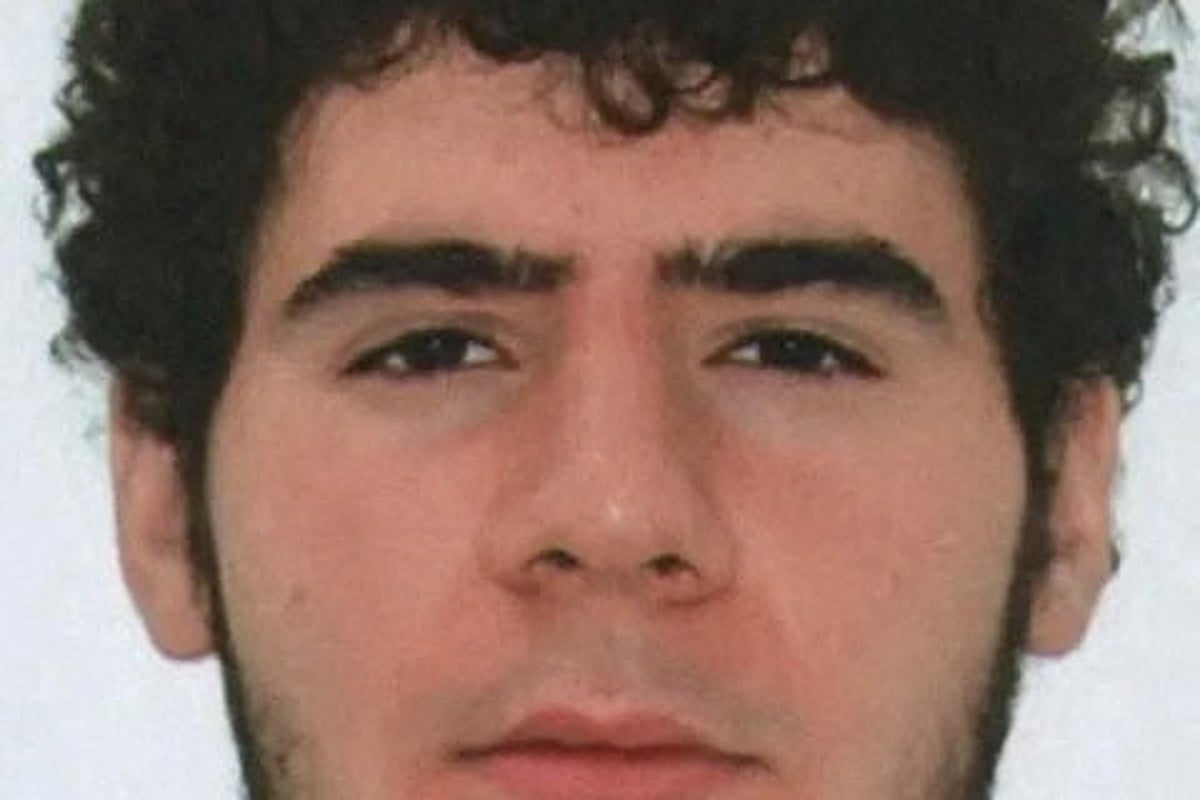
Within hours, authorities identified the prime suspect as 21-year-old Abdul Ballout. What followed was a high-stakes, 24-hour manhunt across Germany's capital that concluded with a fatal police confrontation in the Spandau suburb.
How the Attack Unfolded Near Brandenburg Gate
Saturday night brought hundreds of thousands of people into downtown Berlin for one of Europe's largest LGBTQ+ Pride festivals. The official closing party near the iconic Brandenburg Gate was well underway around 10 p.m. when chaos erupted just a few hundred yards away.
According to Berlin police, a white van deliberately swerved into a pedestrian track inside the Tiergarten park. After striking multiple victims, the vehicle careened into a tree and stopped. The driver didn't stop at vehicular violence. Investigators state that the assailant emerged from the vehicle and attacked bystanders with a machete.
Emergency services rushed to the scene as panicked crowds fled the area. Authorities quickly labeled the carnage an Islamist extremist terror attack, pointing to the deliberate targeting of a crowded public space.
The Suspect and His History With Extremism
Abdul Ballout was a German citizen born in 2005 with Lebanese roots. His background revealed an alarming trail of radicalization that security services had tracked for months.
In 2025, Ballout traveled to Lebanon with the explicit intention of crossing into Syria to join the Islamic State group. He made contact with individuals he believed were members of the militant organization. Lebanese authorities arrested him, and a military court sentenced him to three months in prison for inciting religious and sectarian conflict.
Upon completing his sentence, he returned to Germany, where federal police arrested him at the airport. A Berlin juvenile court convicted him in May of preparing a serious violent state-endangering act and spreading ISIS propaganda online. Despite facing a suspended sentence of one year and 10 months in youth custody, he was released pending an appeal because he had already spent months in pre-trial detention and claimed to have renounced extremism.
That legal decision is now facing intense scrutiny across Germany.
The Climax of the Manhunt in Spandau
The search for Ballout dominated headlines for an entire day. Law enforcement plastered warnings across digital channels, designating him as armed and dangerous.
The manhunt ended abruptly at approximately 6 p.m. on Sunday. Police tracking units located the suspect at an allotment garden complex in the Spandau suburb of Berlin.
When officers moved in to make the arrest, Ballout rushed toward them wielding a bladed weapon. Police opened fire, discharging at least one round. Emergency responders attempted immediate resuscitation efforts at the scene, but he succumbed to his injuries and died on site.
The Aftermath and Security Fallout
Mourners gathered near the Brandenburg Gate on Sunday afternoon to lay flowers, light candles, and display rainbow flags in defiance of the violence. Leaders from across Europe condemned the bloodshed, emphasizing that public safety and fundamental rights remain non-negotiable.
Interior Minister Alexander Dobrindt announced that Germany's threat level would face upward adjustments, noting that authorities cannot rule out the possibility of connected extremist cells or copycat actions. The incident underscores deep vulnerabilities in how judicial systems handle radicalized individuals released back into the public sphere.
Communities across the country are left picking up the pieces while investigators comb through digital footprints to determine if Ballout acted entirely alone or with local accomplices.