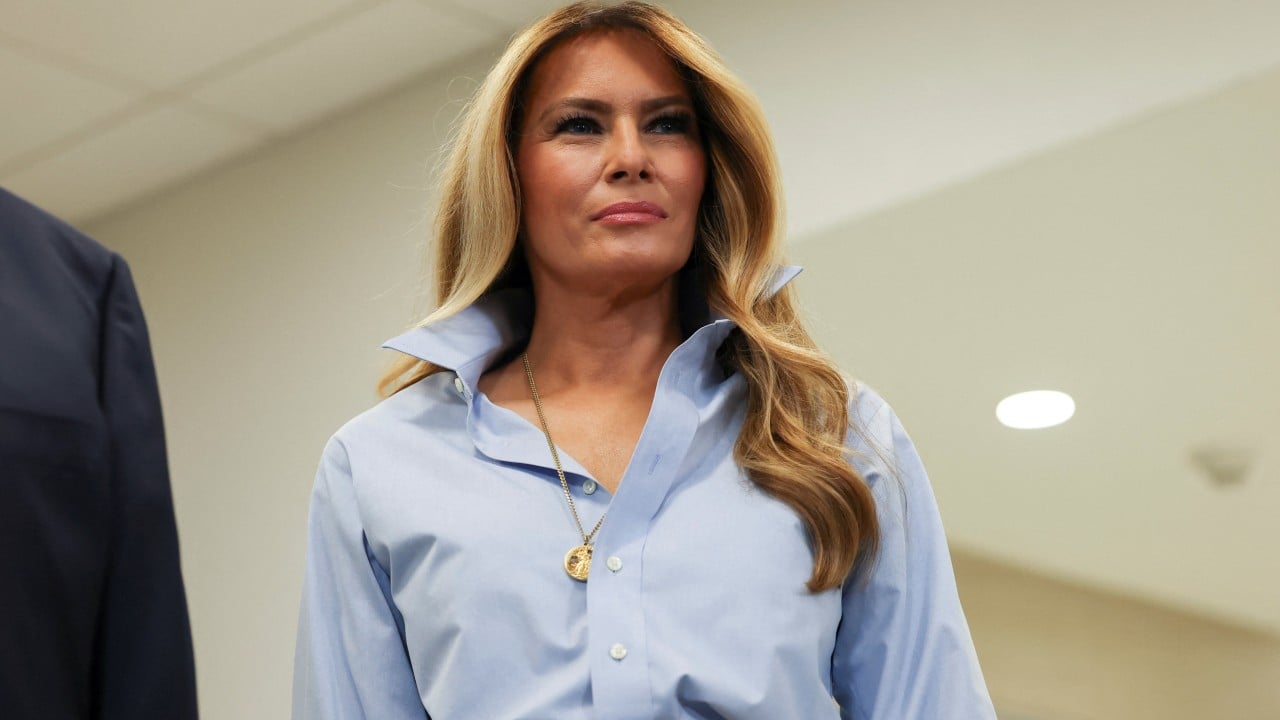
Diplomacy rarely follows a predictable playbook. When Ukrainian President Volodymyr Zelenskyy recently awarded US First Lady Melania Trump the Order of Princess Olga, First Class, it caught international observers completely off guard.
We aren't talking about routine political pleasantries here. This decoration came directly on the heels of a successful backchannel humanitarian effort that secured a six-day local ceasefire in the Russian-occupied southern Ukrainian town of Oleshky. Nearly 800 civilians walked out of a war zone that had remained locked down since the full-scale invasion began in 2022.
Let's break down what actually happened, why this Oleshky truce matters, and how unconventional diplomatic channels are shifting the trajectory of the conflict.
The Reality on the Ground in Oleshky
Oleshky hasn't seen normal life in years. Located in the Kherson region, the town suffered catastrophic flooding after the destruction of the Kakhovka Dam, leaving remaining residents—mostly elderly citizens and a handful of children—stranded without consistent electricity, running water, or medical access. Humanitarian organizations couldn't get aid inside because frontline fighting made access impossible.
Enter a quiet diplomatic push led by the US First Lady's office, working alongside Ukrainian presidential adviser Mark Beckman. While mainstream state departments and career diplomats spent months locked in rigid stalemates, this backchannel effort targeted something immediate: a localized six-day pause in fighting.
It worked. Roughly 800 people made it out safely. Critics often dismiss humanitarian pauses as minor PR wins, but when you're trapped under constant shelling without clean water, a six-day window to escape is absolute survival.
Why the Order of Princess Olga Matters
Zelenskyy didn't hand out Ukraine's highest civilian decoration for women just to score political points with Washington. The decree explicitly cited Melania Trump's "significant personal contribution" to humanitarian support and her work addressing the forced displacement and deportation of Ukrainian children from occupied territories.
In diplomatic circles, awards carry heavy signaling weight. By honoring the US First Lady directly, Kyiv is acknowledging a new channel of influence. It signals that Ukrainian leadership is willing to work with non-traditional intermediaries if it delivers tangible relief on the ground.
At the same time, this maneuver opens doors for broader discussions. Following the Oleshky evacuation, plans took shape for subsequent high-level diplomatic touchpoints, including upcoming trilateral talks in Abu Dhabi involving negotiators from Ukraine, Russia, and the United States, alongside initiatives to bring Russian and Ukrainian representatives together at the White House.
What Comes Next for the Conflict
Skeptics point out that the Kremlin has publicly downplayed the likelihood of repeating these specific localized humanitarian corridors anytime soon, and military analysts note that frontlines remain brutal and unyielding. A single successful evacuation doesn't mean a peace treaty is waiting around the corner.
Yet, diplomacy usually moves in small, ugly, incremental steps before it makes any sudden leaps. The Oleshky breakthrough proved that backchannels can pierce through years of hardened hostility. If a non-traditional mediator can pull 800 people out of a pulverized frontline town, it changes the calculus of what's possible behind closed doors.
Keep an eye on how these upcoming trilateral meetings unfold. The official rhetoric from capitals will stay loud and combative, but the real work is happening in the quiet spaces.