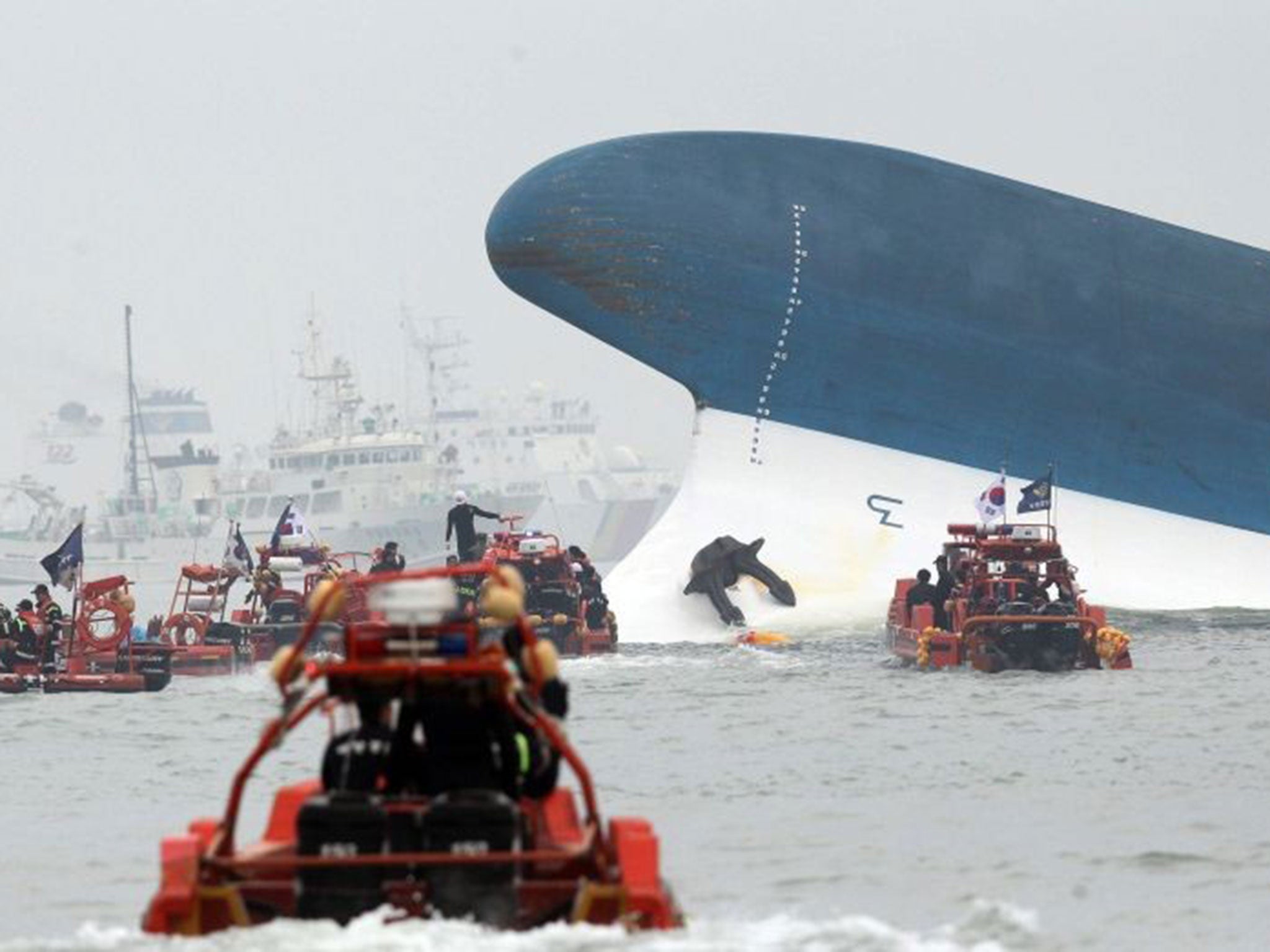
Rough seas don't care about schedules. Fifteen minutes after leaving the port of Kyrenia, a catamaran-style ferry carrying nearly 270 people ran straight into a maritime nightmare off the coast of northern Cyprus.
When the vessel began taking on water roughly four nautical miles out, panic quickly set in. The route between Kyrenia (Girne) and Tasucu in Turkey's Mersin province is heavily traveled by locals, workers, and tourists alike. People book these tickets thinking it's a routine hop across the water. Nobody expects to fight for their life in a life vest minutes after casting off.
What Happened on the Water
The ship, operated by Filo Denizcilik, hit severe weather conditions that triggered a rapid emergency response. According to statements from Northern Cyprus Prime Minister Unal Ustel, the vessel started shipping water almost immediately after departure. A distress call went out, but the environmental factors made rescue operations exceptionally difficult in the early hours.
Rescue teams mobilized fast. Initial reports from regional officials and Turkish state-run media confirmed that hundreds of passengers were pulled from the sea. Prime Minister Ustel reported that roughly 237 people survived the ordeal, while emergency workers recovered seven bodies from the water. Search and rescue operations combed the area for dozens of missing individuals amidst ongoing rough conditions.
The Regional Response and Coordination
Maritime tragedies in divided regions always carry political complexities, but the immediate aftermath saw cooperative outreach. Constantinos Letymbiotis, spokesperson for Cyprus's internationally recognized government in the south, issued a statement expressing readiness to assist with all available means, stressing that human life remains above politics during a crisis.
Meanwhile, Turkish President Recep Tayyip Erdogan extended condolences and confirmed that Ankara's agencies were working closely with northern authorities to support the rescue efforts. Kyrenia Mayor Murat Senkul monitored the operations closely from the shore as emergency units and ambulances flooded Diana Beach to receive survivors.
Maritime safety experts point out that high-speed catamaran ferries offer great efficiency on Mediterranean routes, but they can behave unpredictably when severe, sudden weather hits coastal shelf waters. Investigators are looking into the exact timeline of the distress signal, cargo weight distribution, and how quickly the crew was able to deploy safety protocols once water breached the hull.
For the families waiting at both ports, the disaster serves as a brutal reminder of how quickly routine travel can turn catastrophic when nature turns hostile. Search teams continue to monitor drift patterns in the area as official inquiries get underway.