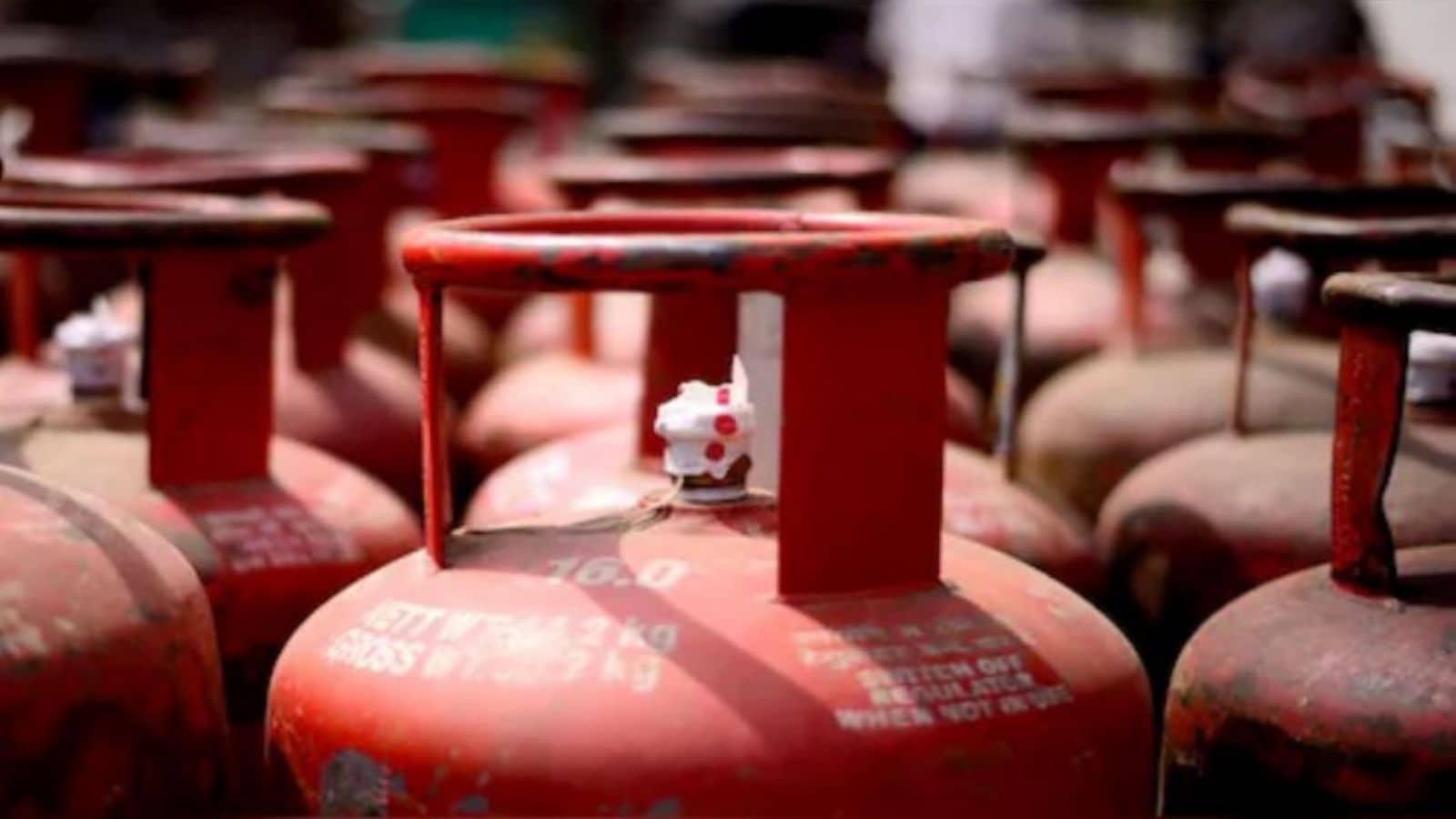
When critical trade gates slam shut, everyday families pay the steepest price. That is the harsh reality playing out across Pakistan right now, where sudden border closures with Iran have choked off vital liquefied petroleum gas supplies and sent domestic cylinder prices skyrocketing.
If you are wondering why cooking fuel suddenly costs a fortune or why hundreds of commercial drivers are stranded in limbo, you need to look beyond simple trade friction. This supply crunch reveals just how vulnerable domestic energy networks are to sudden geopolitical friction.
Why the Border Closures Hit Pakistan Hard
The crisis erupted when Islamabad suspended trade operations through key border crossings with Iran, specifically the Gabd-Rimdan and Taftan routes. For days, these gates remained shut tight. Hundreds of cargo trucks and LPG tankers found themselves stranded on both sides of the frontier with no clear timeline for reopening.
Pakistan relies heavily on its western neighbor for daily energy imports. According to the Pakistan LPG Association, the country imports roughly 7,000 metric tons of LPG from Iran every single day. When you cut off that kind of volume overnight, local markets don't absorb the shock quietly. They panic.
Traders watched helplessly as supply pipelines dried up. Drivers spent a week living in cramped cabins under harsh conditions while waiting for official clearance to roll forward.
The Brutal Impact on Cylinder Prices
Prices tell the real story of this disruption. Within days of the closures, the cost of a standard 12-kilogram LPG cylinder spiked dramatically.
In many parts of the country, prices jumped from around 4,500 Pakistani rupees to a staggering 7,000 rupees. In regions heavily dependent on overland transport like Balochistan, or remote mountain areas like Skardu and parts of Lahore, retail prices pushed past 7,500 to over 8,000 rupees per cylinder.
For households operating on tight monthly budgets, this sudden surge isn't just an inconvenience. It forces impossible choices between buying cooking fuel or covering other basic necessities. Commercial kitchens, small roadside restaurants, and bakeries also take a direct hit, driving up the cost of food and other everyday goods across the board.
Can Domestic Reserves Save the Day?
Local production simply cannot bridge a gap of this magnitude. Pakistan's domestic output falls short of total consumption needs, making cross-border imports essential for keeping prices stable.
When those supply lines snap, alternative domestic sourcing options are limited and expensive. Industry leaders warned that if the border shutdowns dragged on without alternative maritime or overland arrangements, reserves would vanish completely. That would push already inflated fuel prices to even more unsustainable heights.
While diplomatic channels and military leadership discussions between Islamabad and Tehran have begun addressing trade restoration—with reports pointing to the gradual reopening of crossings like Gabd-Rimdan—the backlog of stranded tankers takes time to clear. Restoring physical vehicle movement is only the first step. Pumping thousands of metric tons of fuel back through distribution networks requires days of catch-up.
What This Means for Regional Trade
This disruption highlights a deeper systemic vulnerability. Regional trade partnerships require absolute predictability. When political or security concerns trigger abrupt border suspensions, supply chains fracture instantly.
For traders and logistics operators, navigating these sudden halts means carrying massive financial risk. For everyday citizens, it means bracing for sudden inflation spikes every time diplomatic tensions flare up. Securing long-term energy stability requires more than temporary border openings. It demands diversified supply routes and robust domestic buffers that can withstand sudden geopolitical shocks.