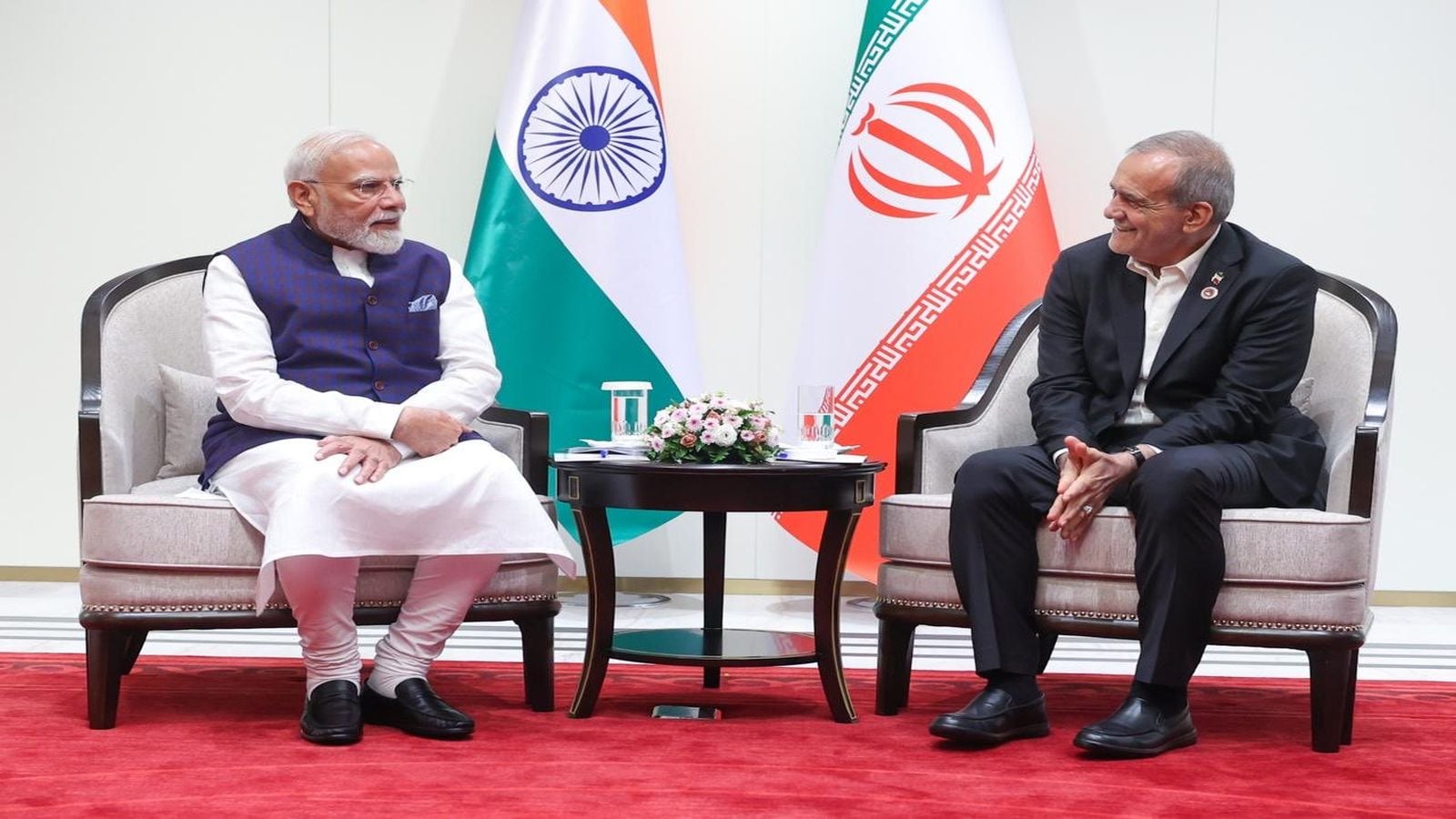
Geopolitics doesn't pause for pleasantries, and Prime Minister Narendra Modi's recent trip to Bishkek proved that point loud and clear. Landing in Kyrgyzstan for the 26th Shanghai Cooperation Organisation summit, Modi packed a massive diplomatic punch into a very tight schedule. If you think international summits are just about handshakes and photo ops, look closer.
The real action happened behind closed doors. Modi sat down with Iranian President Masoud Pezeshkian and Armenian Prime Minister Nikol Pashinyan, tackling everything from trade expansion to volatile regional security issues. Also making waves in this space: Why Kiren Rijiju Is Right To Draw The Line On Indian Flag Disrespect Abroad.
The Tehran Connection and West Asia Realities
Let's talk about the meeting with Iran's Masoud Pezeshkian. This was their first face-to-face interaction in two years, and the stakes couldn't have been higher. West Asia remains a powder keg, and India is walking a tightrope of strategic autonomy.
Modi didn't mince words. He stressed that dialogue and diplomacy are the only paths forward, pushing hard for peaceful resolutions and the protection of regional commerce. India wants to diversify its trade basket with Iran, but economic ambitions depend entirely on stability. When supply chains fracture, everybody loses. Modi's message to Tehran was straightforward: keep communications open and safeguard navigation routes. More details into this topic are explored by TIME.
Strengthening Ties with Yerevan
Right after dealing with West Asian security, Modi flipped his focus to the South Caucasus. His bilateral talk with Armenian Prime Minister Nikol Pashinyan focused on deepening cooperation across multiple vectors.
Defence, pharmaceuticals, science, and education topped the agenda. Armenia and India have quietly built a robust partnership over recent years, driven by mutual strategic needs. Pashinyan and Modi reviewed these growing ties, mapping out how to translate diplomatic goodwill into tangible economic results.
Paying Homage and Connecting with the Diaspora
Diplomacy is as much about symbolism as it is about hard strategy. Before diving into the heavy multilateral sessions of the SCO summit, Modi made a quiet stop at the Mahatma Gandhi memorial in Bishkek. He paid floral tribute to Bapu, reminding observers that India's foreign policy roots remain tied to its core philosophy of peace and non-violence.
The local Indian community turned out in force to greet him. Chants of Vande Mataram echoed at his hotel, where community members organized cultural performances, including yoga demonstrations and traditional dance acts. It's a classic playbook move for Indian leaders abroad, solidifying soft power through diaspora engagement.
Why the Bishkek Summit Matters Right Now
The SCO grouping marks its 25th anniversary this year, and the Bishkek meetings highlighted how much the geopolitical architecture has shifted. With security, connectivity, and digital cooperation on the table, India is positioning itself as a stabilizing force in Eurasia.
You can't ignore the broader regional dynamics either. Modi arrived in Kyrgyzstan straight from Uzbekistan, where ties were elevated to a comprehensive strategic partnership with a five-billion-dollar trade target by 2030. Central Asia is no longer just a backyard for bigger powers; it's a vital economic frontier.
Watch how these bilateral agreements translate over the next year. Trade targets are easy to announce, but execution separates serious players from the rest.
PM Modi Meets Iranian President Pezeshkian In Kyrgystan On Sidelines Of SCO Summit: What's Discussed
This video provides an overview of Prime Minister Narendra Modi's meeting with Iranian President Masoud Pezeshkian during the SCO summit in Kyrgyzstan.
http://googleusercontent.com/youtube_content/1


