Silence falls over the rubble in Cali as dozens of hands raise clenched fists into the air. Every volunteer stops breathing. They are listening for a faint knock, a muffled voice, or the scratch of fingernails against concrete beneath a collapsed apartment complex.
A massive 7.4-magnitude earthquake struck western Colombia, shattering communities and leaving at least 111 people dead. The disaster has turned bustling commercial sectors into apocalyptic landscapes of twisted rebar and shattered masonry. President Abelardo de la Espriella confirmed the mounting fatalities while emergency crews struggle to reach isolated pockets near the epicenter.
If you are tracking the crisis, the real story goes far beyond the initial casualty statistics. The catastrophe exposes deep structural vulnerabilities across the Andean nation's western departments, coming right on the heels of regional seismic trauma that left South America on edge.
The Epicenter and the Choco Blindspot
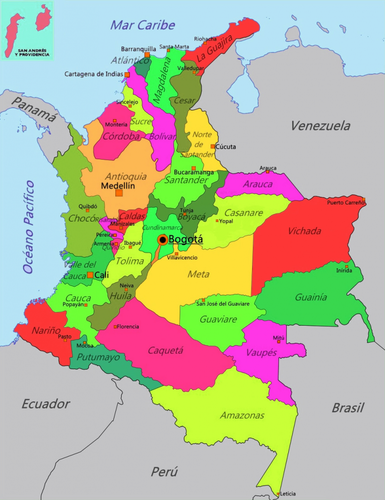
The United States Geological Survey pinpointed the tremor near San José del Palmar in the remote Chocó province. Chocó is one of Colombia's poorest regions. Years of neglect and territorial control by armed factions mean infrastructure is fragile at best.
Most of Chocó lacks paved roads. Access relies entirely on riverboats, small jungle airstrips, or treacherous footpaths. In the hours immediately following the shaking, communication lines went completely dark. Local officials had no clear picture of what happened to remote mountain hamlets.
Contrast that with mid-sized towns like El Cairo in Valle del Cauca, where local authorities report that eighty percent of the town suffered catastrophic structural failure. Families are frantically checking citizen-run databases, uploading photos of elderly relatives who lived in traditional homes made of mud and cane. When walls built of organic materials face a 7.4-magnitude shockwave, they don't just crack—they disintegrate.
Urban Devastation in Cali and Pereira
While the jungle zones remain hard to reach, major cities bore the brunt of the immediate visibility. In Cali, Colombia's third-largest city, at least nineteen buildings collapsed entirely. Thousands more structures show heavy structural compromises.
In Pereira, located in the hard-hit Risaralda region, factory walls collapsed mid-shift. Workers managed to escape seconds before concrete slabs pancaked onto production floors. Yet, thousands of others weren't as lucky.
By Monday night, citizen-led registries logged more than 2,700 missing persons. Families pinned snapshots of mothers, uncles, and children to makeshift boards or shared them wildly across social channels.
[Illustrative Data Breakdown]
- Magnitude: 7.4
- Confirmed Deaths: 111+
- Missing Persons Reported: 2,700+
- Damaged or Collapsed Buildings: ~1,600
Volunteers formed human chains stretching down block-long avenues. They passed chunks of broken drywall and heavy concrete blocks hand-to-hand, refusing to let heavy machinery move in too fast for fear of crushing anyone still breathing underneath.
Political Pressure and Immediate Fallout
This disaster marks the baptism by fire for President de la Espriella, who was sworn into office just days prior. Facing his first major test, the new leader mobilized military engineers, search-and-rescue dogs, and police units toward Quibbdo and surrounding disaster zones.
Emergency management agencies recommended declaring an immediate state of disaster. Lawmakers are already pushing for broader economic emergency powers that would allow the administration to redirect funds without congressional gridlock. Reconstruction will cost billions of pesos, threatening strict public spending freezes promised during the recent election cycle.
The psychological toll on the population runs deeper than financial metrics. The country is still reeling from twin earthquakes that slammed neighboring Venezuela weeks prior, killing thousands and leveling hundreds of structures. Seeing structural failures repeat across the border has triggered widespread panic in high-rise apartments from Medellín to Bogotá, where residents fled into the morning streets wearing pajamas.
What Happens Next on the Ground
Search operations will enter a critical window over the next forty-eight hours. The golden period for finding trapped survivors under concrete pockets diminishes rapidly without water or medical access.
If you want to support relief efforts or track verified updates, rely on official channels managed by the Colombian Red Cross and the National Unit for Disaster Risk Management. Avoid sharing unverified social media casualty lists that often duplicate names or spread panic. Municipal governments in Cali and Pereira are actively coordinating volunteer rosters for logistics and supply sorting. Donate directly to established humanitarian funds rather than informal campaigns to ensure aid actually reaches remote areas like Chocó before aftershocks trigger secondary landslides.
:max_bytes(150000):strip_icc():focal(829x489:831x491)/OLIVIA_RODRIGO_LA_LEGO-d11b0b1981454ee2a4d3dcbfec7d58ea.jpg)