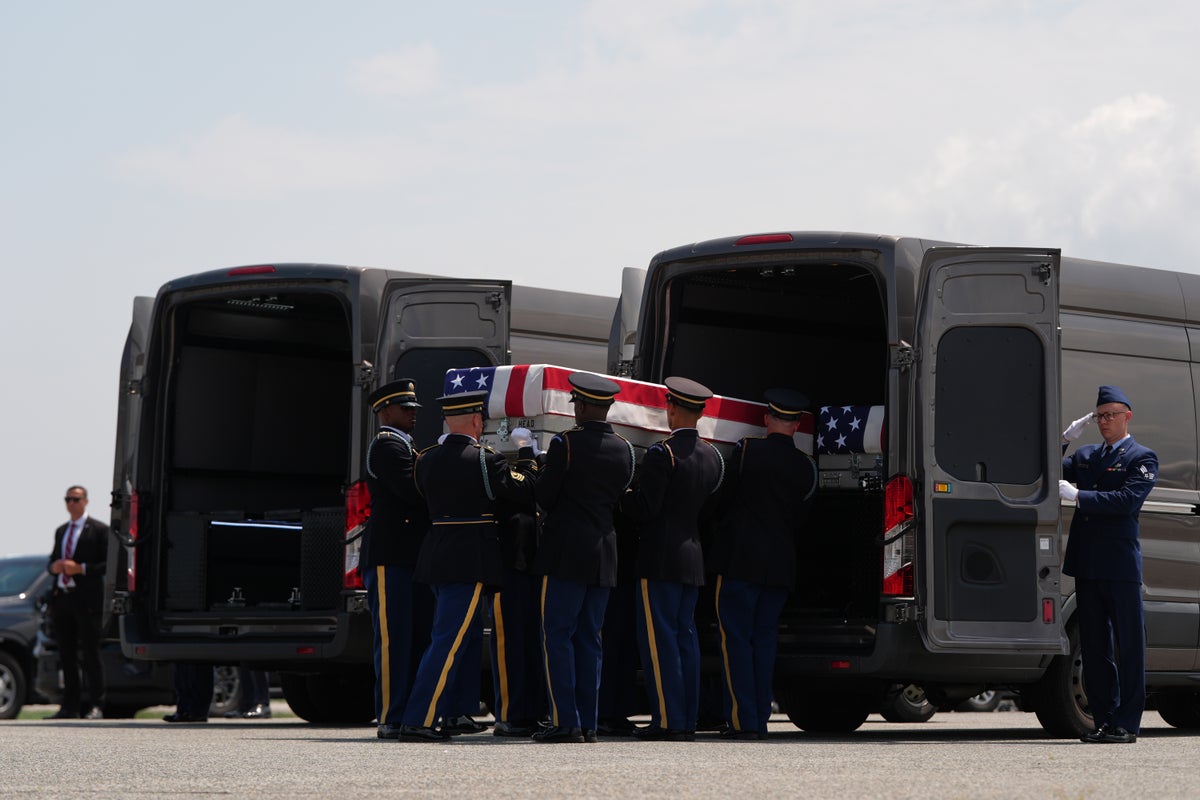
When a gray C-17 military transport plane touches down on the tarmac at Dover Air Force Base in Delaware, politics briefly fades into total silence.
On July 22, 2026, President Donald Trump made his third trip of the year to Dover to stand alongside grieving families, Defense Secretary Pete Hegseth, and senior military leaders for a dignified transfer. The ritual marked the return of four American soldiers killed during recent escalation in the Middle East—a heavy moment that brings the reality of conflict back to domestic soil.
Understanding what happens during a dignified transfer requires looking past photo ops and political speeches. Here is how the solemn process works, who the fallen soldiers are, and why Dover remains the centerpiece of military grieving.
What Happens During a Dignified Transfer at Dover Air Force Base
Many news outlets lump dignified transfers into the category of "ceremonies." Technically, the U.S. military doesn't call it a ceremony at all. It's a solemn movement of flag-draped transfer cases containing the remains of fallen troops from an aircraft to a vehicle, which then moves them to the Air Force Mortuary Affairs Operations facility.
Unlike a formal military funeral with rifles and speeches, a dignified transfer happens in near-total stillness.
- The Carry Team: A six-member carry team from the deceased service member’s specific military branch steps onto the ramp of the aircraft.
- The Movement: The team carefully lifts the flag-draped transfer case and carries it down the ramp into an awaiting white transfer vehicle.
- The Salute: Official attendees—including the President, Defense Secretary, and top brass—stand at attention and salute as each case passes.
- The Families: Grieving relatives watch from a short distance away on the tarmac, supported by military casualty assistance officers.
No speeches are delivered during the transfer itself. The only sound is the rhythmic, deliberate marching of the carry team boots against the asphalt.
The Human Cost Behind the Headlines
Behind every Dover transfer are individual service members and families whose lives were altered overnight. The four soldiers honored at Dover were killed in separate incidents linked to drone and missile attacks in Jordan and Iraq:
- 1st Lt. Tyler James Feehan, 25, of Ewa Beach, Hawaii — Killed during strikes on Muwaffaq Salti Air Base in Jordan.
- Pvt. Isabella Gonzales, 19, of Carrollton, Texas — Killed in the same strike in Jordan at just 19 years old.
- Sgt. Angel S. Rampersad, 28, of Ozone Park, New York — Initially reported missing in action, later confirmed deceased following the Jordan attacks.
- Sgt. Michael Emmanuel Swinton, 30, of Spring Lake, North Carolina — A father of two who died at Erbil Air Base in northern Iraq during a drone detonation.
Both Feehan and Swinton received posthumous promotions and honors for their service.
Why Presidents Call Dover Their Hardest Duty
Presidents from every administration have described attending dignified transfers as the heaviest part of leading the armed forces. Trump noted to reporters on his way to Delaware that meeting the families at Dover is "one of the hardest things to do as a president."
While political debates over troop deployments and regional deterrence rage inside Washington committee rooms, Dover represents the unfiltered human consequence of those choices. Total U.S. military fatalities in the ongoing regional conflict reached 18 following these latest strikes, raising crucial questions among lawmakers about long-term strategy, force protection, and defense spending.
How Care for Fallen Service Members Continues
Once the transfer vehicle moves away from the flight line, the work of Air Force Mortuary Affairs Operations begins. The facility at Dover is the Department of Defense's primary mortuary, responsible for identifying remains, preparing soldiers for final burial, and ensuring every service member receives full honors according to their family's wishes.
Families are assigned dedicated casualty assistance care officers who help navigate everything from travel arrangements to memorial planning, ensuring loved ones aren't left handling bureaucracy during unimaginable loss.
If you want to support surviving military families, consider contributing directly to vetted non-profit organizations like the Gold Star Wives of America, the Tragedy Assistance Program for Survivors (TAPS), or the Fisher House Foundation, which provides free lodging for military families during medical crises and grief recovery.