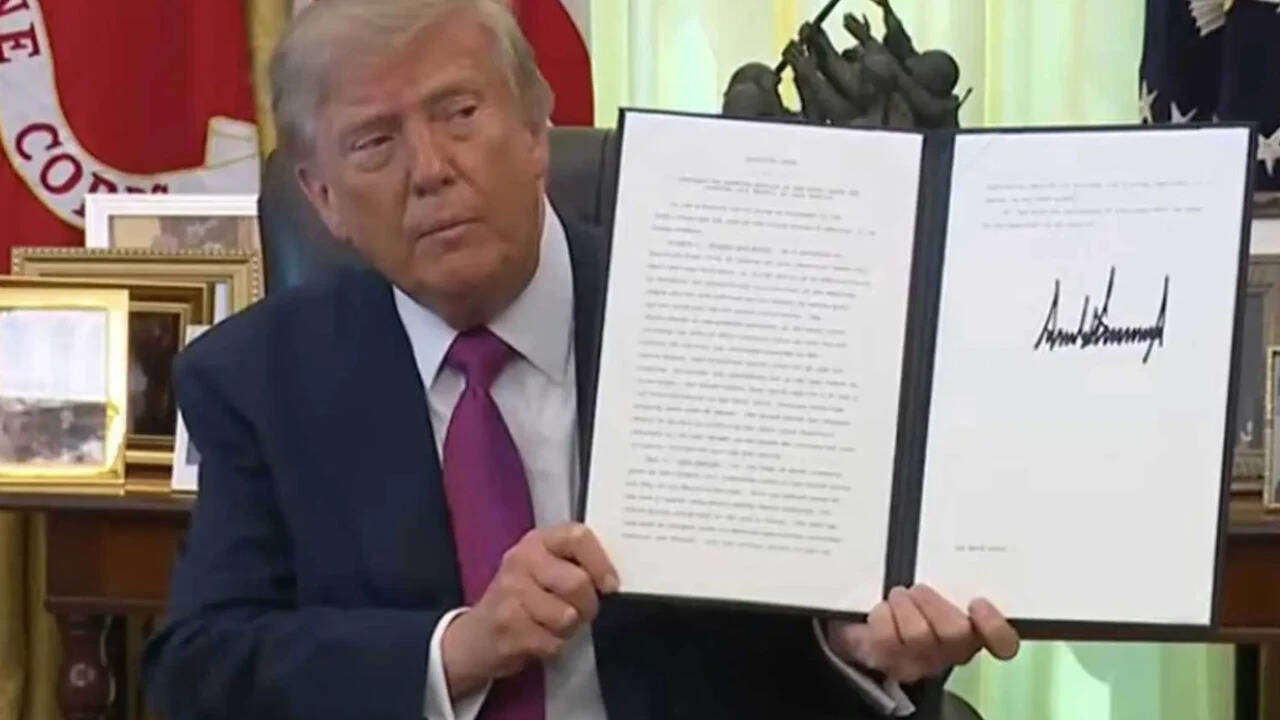
The stakes in the Middle East just spiked dramatically. US President Donald Trump has doubled down on his hardline stance, warning that Washington is prepared to launch more military strikes on Iran "anytime we want" following a heavy barrage that left at least 18 people dead and over a hundred wounded.
If you are trying to make sense of where this conflict is heading, you have to look past the political posturing from Washington and Tehran. The recent escalation along Iran's southern coast, particularly around the Strait of Hormuz, has pushed bilateral tensions past a dangerous threshold. Don't forget to check out our earlier coverage on this related article.
What Triggered the Latest Escalation
This fresh wave of violence didn't happen in a vacuum. It follows months of fractured diplomacy and failed interim understandings. The US military launched heavy airstrikes targeting Iranian infrastructure and military equipment near the critical waterway after detecting renewed efforts to deploy mines and disrupt commercial shipping.
Washington insists the operations are entirely justified to protect maritime lanes. Iran's leadership views the offensive as an act of naked aggression. To read more about the context of this, NBC News offers an in-depth breakdown.
The human toll has quickly escalated. According to the Iranian Ministry of Health, the death toll from the latest series of strikes has climbed to 18, with more than 108 people injured. Among the most contentious and tragic incidents was a strike in the coastal city of Kuhestak within Hormozgan province. Iranian officials reported that shrapnel and blasts hit a residential area where a wedding party was taking place, resulting in civilian casualties, including children.
The Iranian Foreign Ministry labeled the Kuhestak incident a war crime, while US officials have stated they are looking into the reports. This gap in narrative highlights the brutal information war running parallel to the physical conflict.
Trumps Warnings and the Threat of Total Destruction
President Trump has made it clear that Washington has zero tolerance for Iranian retaliation. Speaking to reporters at the White House, Trump claimed the recent heavy attacks successfully dismantled military equipment built along the Strait of Hormuz.
More alarmingly, he issued an explicit warning to Tehran: if they retaliate against these US operations, they will face an even harsher response. Trump went as far as suggesting that a much larger military option is waiting in the wings if the cycle continues, leaving little doubt about the administration's willingness to escalate further.
Tehran has responded with defiant rhetoric and counter-strikes. The Islamic Revolutionary Guard Corps (IRGC) announced a "regretful response," targeting US regional positions and military installations across the Middle East, including locations in Bahrain, Iraq, and Jordan.
The Regional Spillover and Economic Fallout
This isn't just a bilateral conflict between Washington and Tehran. The entire region is bracing for impact. Gulf states have scrambled to upgrade air defenses and military readiness. Neighboring countries caught in the crossfire are dealing with intercepted drones and incoming missile debris.
The economic implications are equally severe. The Strait of Hormuz remains a vital chokepoint for global energy supplies. Any disruption to maritime traffic through this corridor sends immediate shockwaves through global markets, driving up oil prices and putting shipping companies on high alert.
Analysts point out that both sides are locked in a dangerous game of chicken. Washington wants to force Tehran back to the negotiating table on US terms, while Iran is trying to use regional leverage and asymmetric pressure to break the naval blockade and force concessions.
As diplomatic channels narrow and military hardware dominates the discourse, the margin for error shrinks by the day.
For a closer look at the White House press briefing regarding these developments, you can watch Trump warns Iran against retaliation video. This footage captures the official administration stance and the immediate framing of the military actions in the Strait of Hormuz.