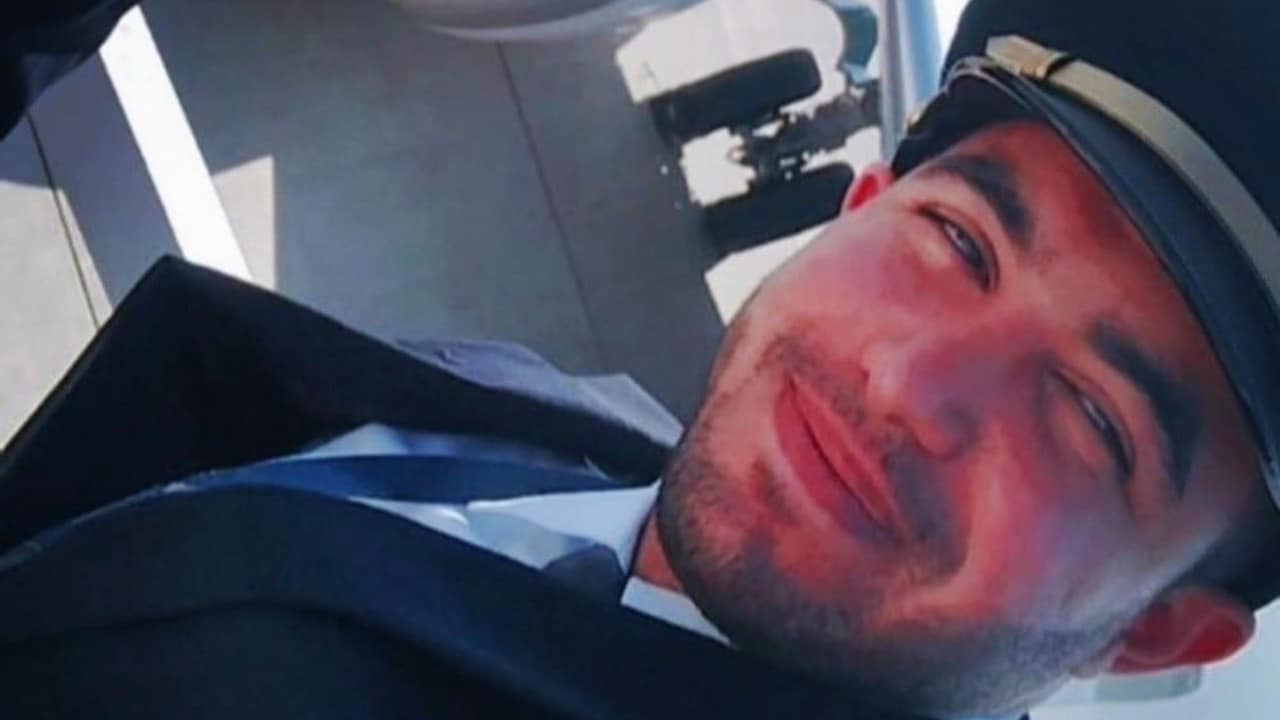
Australia just launched an inquiry into the background of Hamam al-Hammami. He is the flydubai co-pilot who attacked his captain on a flight from Dubai to Tel Aviv.
Authorities are tracking his movements during a two-year student visa stay in the country starting back in 2014. People want answers. How did a commercial pilot slip past multi-layered airline security protocols while harboring radicalized views?
The incident happened on a Wednesday. al-Hammami assaulted Captain Smit Machchhar using an axe inside the cockpit of a Boeing 737. The aircraft plunged nearly 14,000 feet in under 30 seconds. Passengers and crew stepped in. They overpowered the co-pilot while a backup flight crew diverted the jet to Tabuk, Saudi Arabia.
Now, international investigators are picking apart his career history, his student days, and his digital footprint.
The Australian Connection and Education Timeline
al-Hammami entered Australia in 2015 after receiving a student visa the year before. He studied engineering at an Australian institution for two years before leaving in 2017. Australian immigration officials later cancelled his visa in 2019 when records showed he was no longer enrolled.
Beyond Australia, his resume includes stints at multiple commercial carriers. He worked at Oman Air for seven years, transitioning later to an administrative role after concerns arose over his ideology. He also spent time in Morocco with Royal Air Maroc for a brief training period, though he was never hired full-time. He eventually secured a position with flydubai.
He also completed a distance-learning degree in aviation management from Buckinghamshire New University in the UK, graduating in 2023. University representatives clarified that this was strictly online coursework and did not involve practical flight training.
Red Flags and Missed Warnings
Intelligence agencies are facing hard questions about why warning signs were ignored. Oman had previously barred al-Hammami from flying because of suspected extremist views, pushing him into desk work. Reports indicate he spent time in Syria, which elevated concerns regarding potential radicalization.
Despite these internal moves and red flags, he managed to secure employment with flydubai. Security experts point out that standard aviation hiring checks often fail to capture ideological shifts or internal company disciplinary actions taken across different national jurisdictions.
Israeli Prime Minister Benjamin Netanyahu addressed the event, noting that the co-pilot experienced clear Islamist radicalization. Adding to the shock, social media profiles tied to al-Hammami posted extremist imagery hours after his arrest, including references to al-Qaeda figures and suicide bombers.
The Impact on Global Pilot Screening
Aviation authorities are under intense pressure to overhaul background check procedures. Airlines traditionally focus heavily on technical flight skills, medical fitness, and clean criminal records. Psychological screening and cross-border intelligence sharing remain inconsistent.
When pilots move between airlines in different countries, safety records and internal disciplinary notes do not always travel with them. This gap allows individuals with flagged behavior to re-enter flight decks.
Governments and regulatory bodies are now pushing for centralized screening databases. Airlines must evaluate how crew members are vetted beyond basic licensing and flight hours.
Check your airline's current compliance frameworks, push for stricter cross-border background verification, and demand transparency from regional civil aviation authorities regarding pilot mental health and security tracking.