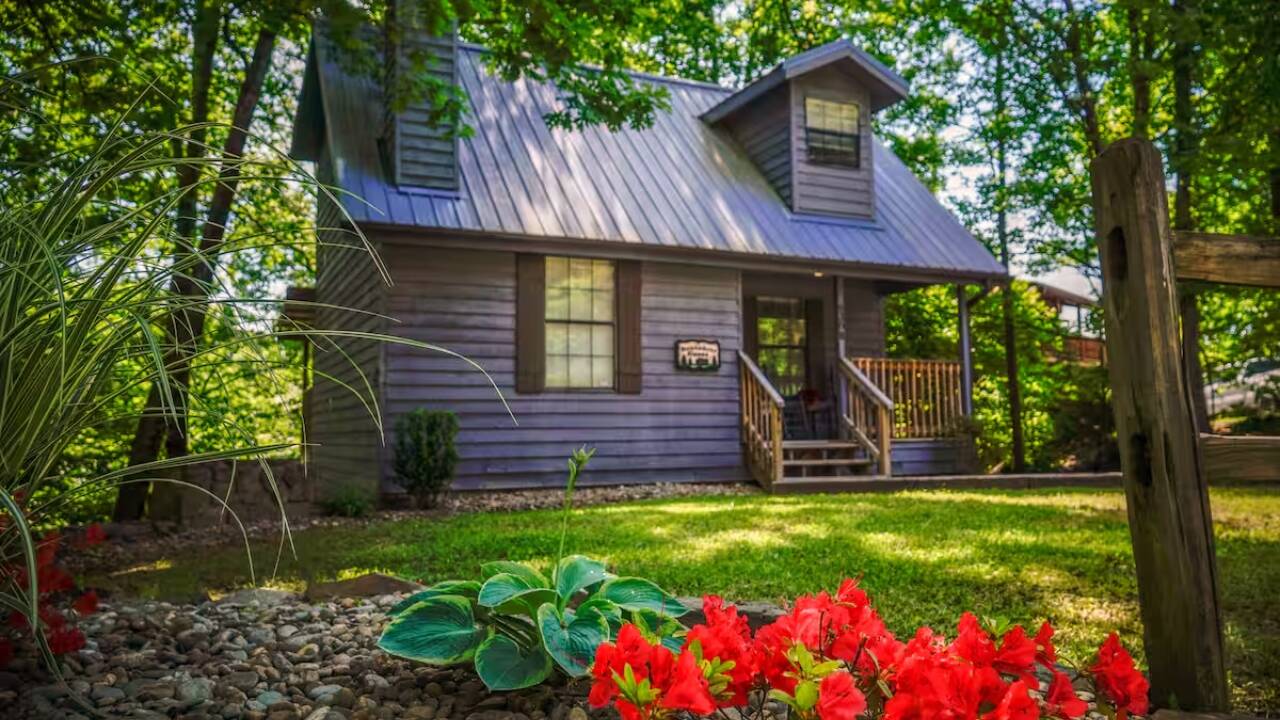
Two homes on one lot financed with a single mortgage sounds like a cheat code for short-term rental investors. Double the doors, double the booking calendars, and only one loan note to track each month. That setup is basically how a pair of partners turned a single-parcel Tennessee purchase into serious vacation-rental revenue in the early 2020s, yet most buyers who chase that headline miss the friction hiding underneath it.
Buying two homes on one lot is rarely straightforward. Lenders get twitchy. Appraisers struggle with comparable sales. Local cities and counties often treat a second structure on a single parcel differently than a standard single-family rental.
If you're looking at a multi-dwelling parcel for short-term vacation rentals, you need more than excitement over gross booking numbers. You need a realistic look at financing rules, operating expenses, local ordinances, and why gross revenue isn't the same thing as cash in your pocket.
Why Two Homes on One Lot Look So Tempting
On paper, the math feels obvious. One purchase price, one closing table, one monthly debt service payment, and two separate units you can list on platforms like Airbnb or Vrbo. Instead of buying two separate properties with two down payments and two sets of closing costs, you're trying to capture two income streams under one roof—or rather, one deed.
In hot vacation markets like East Tennessee—think areas around the Great Smoky Mountains, Gatlinburg, Pigeon Forge, or cabins near popular lakes—short-term rentals exploded in demand during the pandemic travel boom. Travel habits shifted hard toward drivable destinations and whole-home stays. Gross revenue figures from those peak years turned plenty of heads.
Here's the catch, though. Gross revenue is a loud number, and net profit is a quiet one. When two units sit on one parcel, you're splitting fixed overhead or duplicating turnover work while sharing one property tax bill, one insurance policy structure, and one set of zoning rules.
How Financing Two Homes on One Lot Actually Works
Let's get real about loans. A standard conventional mortgage backed by Fannie Mae or Freddie Mac has strict rules around property type and accessory structures. An extra dwelling on a lot isn't automatically treated like a neat little bonus room.
If a second structure is a true detached house or a full second living unit, conventional lenders may classify the property differently, cap loan-to-value ratios, or turn the file down altogether if local comps don't support two dwellings on a single parcel. Even when a second unit is called an accessory dwelling unit, lenders look closely at square footage, kitchen and bath setups, utility separation, and whether local zoning allows it legally.
That's why investors who pull this off often look outside cookie-cutter agency loans. Portfolio lenders, local community banks, credit unions, and asset-based lenders offering Debt Service Coverage Ratio (DSCR) loans evaluate deals differently. A community bank that knows the county well might understand a dual-cabin or main-house-plus-guesthouse parcel far better than a massive national call-center lender.
Before you fall in love with a listing, talk to a mortgage broker or local portfolio lender who actually closes non-standard residential or mixed short-term rental deals. Ask three blunt questions right away:
- Will your underwriting allow two residential structures on one parcel?
- How do you treat short-term rental income projections versus historical tax returns?
- What down payment and cash reserves will you require at closing?
Don't wait until inspection week to find out your lender won't touch the parcel. That's a painful way to lose earnest money.
Gross Bookings vs. Real Cash Flow in Short-Term Rentals
Whenever you read a story about big short-term rental revenue—say, six figures pulled in over a year—your first instinct should be to ask what it cost to run the place. High gross revenue can still leave thin margins if expenses eat you alive.
Short-term rentals are hospitality businesses wrapped in real estate. Unlike a long-term tenant who mows the lawn and calls once every six months about a leaky faucet, vacation guests arrive with expectations of hotel-level cleanliness and instant fixes.
The Hidden Costs That Shrink Your Margin
When you run two homes on one lot as vacation rentals, costs stack up fast:
- Cleaning and turnover: Two units mean twice the laundry, twice the restocking of coffee, paper goods, and toiletries, and twice the chance a cleaner cancels on a busy Saturday.
- Furnishing and wear: Outfitting two homes from scratch isn't cheap, and guests are harder on furniture, decks, hot tubs, and flooring than you might expect.
- Platform and management fees: Booking sites take their cut, payment processing adds up, and if you hire a co-host or property manager, you'll hand over a meaningful slice of gross bookings.
- Insurance and taxes: Standard homeowners insurance usually won't cover short-term rental guests properly. You need appropriate short-term rental or commercial coverage, plus you must stay on top of state sales taxes and local occupancy taxes.
I've seen investors get blindsided by seasonality, too. Peak summer weeks or fall leaf season can make a property look like a gold mine, while quieter winter or shoulder months test your cash reserves. If you underwrite based on best-case months instead of full-year averages, your stress levels will spike fast.
Local Rules and Zoning Can Make or Break the Deal
Location isn't just about tourist demand. It's about whether the local government lets you operate two short-term rental units on one parcel without headaches.
Short-term rental rules vary wildly from county to county and city to city. Some areas welcome vacation rentals with straightforward registration and tax collection. Others enforce strict permit caps, minimum night stays, parking minimums, septic capacity limits, or bans in certain residential zones.
Septic systems deserve special attention on rural or semi-rural lots. A septic tank and field line sized for a two-bedroom house can run into serious trouble—or code problems—if you're renting out two full living spaces with heavy guest turnover and lots of laundry.
Always verify the parcel's zoning, permitting status, septic capacity, and deed restrictions or HOA rules before you assume you can rent both units year-round. A great listing description won't save you if the county shuts down your second unit.
Why Partnerships Work Until They Don't
Buying an investment property with a business partner can split capital requirements, share workload, and bring complementary skills to the table. One partner might handle numbers, financing, and bookkeeping while the other focuses on design, guest messaging, or contractor coordination.
Still, partnerships have a way of testing people when things get messy. What happens when one partner wants to reinvest every dollar of profit into upgrades, and the other wants cash distributions? What happens if a major repair hits right when bookings dip?
Good partners put ground rules in writing before closing. You want clear terms on capital calls, decision-making authority, expense approval limits, distribution timing, and exit options if one person wants out five years down the road. Goodwill is great on day one, and a solid operating agreement keeps it intact on day five hundred.
Common Mistakes Buyers Make With Dual-Home Parcels
Even sharp buyers trip over predictable traps when chasing two-home deals:
- Treating peak-era numbers as guaranteed: Market conditions shift. New supply enters popular vacation towns, travel budgets tighten or expand, and nightly rates move with competition.
- Ignoring shared infrastructure: One driveway, shared parking, shared water or well capacity, or a single electric meter can create friction if guests or utilities aren't planned well.
- Underestimating maintenance: Two roofs, two HVAC systems, two sets of appliances, and outdoor decks or amenities mean double the things that can break on a holiday weekend.
- Skipping conservative stress tests: Always model what happens if occupancy drops 15% or 20% or if interest rates or insurance premiums come in higher than projected.
Practical Next Steps If You Want to pursue This Strategy
If you're seriously eyeing two homes on one lot for short-term rentals, don't start by shopping for throw pillows. Start with due diligence.
- Pull the parcel details first: Check zoning, permitted uses, septic or utility capacity, and local short-term rental registration rules with the city or county planning office.
- Talk to two or three local lenders: Ask specifically how they underwrite multiple dwellings on one lot and how they count short-term rental income.
- Build a conservative pro forma: Estimate realistic annual occupancy, average daily rate across high and low seasons, cleaning costs, insurance, taxes, maintenance reserves, and debt service.
- Walk the property with an inspector who knows rentals: Look closely at roofs, plumbing, drainage, parking, privacy between units, and big-ticket capital items.
- Put partnership terms on paper early: If you're teaming up with a partner, spell out money and exit rules before you sign a purchase contract.
Smart real estate investing isn't about chasing a flashy headline number. It's about buying the right asset at the right terms, protecting your downside, and running the numbers honestly before your money is on the line.