Iran's judiciary carried out the execution of two men convicted of spying for Israel, intensifying a sweeping security crackdown that has alarmed international human rights monitors. State-backed media outlets identified the executed individuals as Omid Behzad and Pouria Safvat. Iranian authorities stated that the pair transmitted sensitive geographical coordinates, photographs, and intelligence regarding military and security installations to Israel's Mossad intelligence agency.
The executions took place at dawn, following a judicial process overseen by the Islamic Revolutionary Guards Corps and upheld by the Supreme Court. According to official reports from agencies like Mizan and IRNA, the accused men funneled operational details during recent military escalations, including regional conflicts earlier in the year.
The Wartime Context Behind the Espionage Charges
The timing of these hangings is far from random. Tehran has drastically ramped up capital punishment following a series of direct military confrontations between Iran, Israel, and the United States. State media reports explicitly linked the charges against Behzad and Safvat to intelligence sharing during the high-tension military clashes, often referred to locally as the recent 12-day and 40-day wars.
Security forces allege that local operatives utilized encrypted communication channels, social media applications, and foreign broadcast networks to pass targeting data. In the case of Behzad, state prosecutors claimed he maintained direct contact with foreign-linked digital channels and uploaded visual evidence of local military responses. For Safvat, authorities alleged involvement in communicating with external media entities alongside direct espionage activities.
However, independent human rights organizations paint a vastly different picture of these trials.
Legal Concerns and Human Rights Objections
Organizations such as the Hengaw Organization for Human Rights and Iran Human Rights have strongly condemned the surge in judicial killings. Rights advocates point out several recurring issues with high-profile national security trials inside Iran:
- Incommunicado Detention: Defendants are frequently held in undisclosed locations without immediate access to legal representation.
- Coerced Confessions: Trials heavily rely on televised or documented confessions that monitoring groups argue are extracted under severe psychological or physical torture.
- Lack of Open Scrutiny: Proceedings related to espionage and state security are typically conducted behind closed doors, denying independent observers any verification of the physical evidence presented.
International watchdogs argue that the sharp rise in capital punishment serves a dual purpose for the ruling establishment. Beyond targeting genuine security breaches, the intensified wave of hangings acts as a domestic deterrent against political dissent and public unrest during severe economic instability.
The Broader Crackdown on Dissent
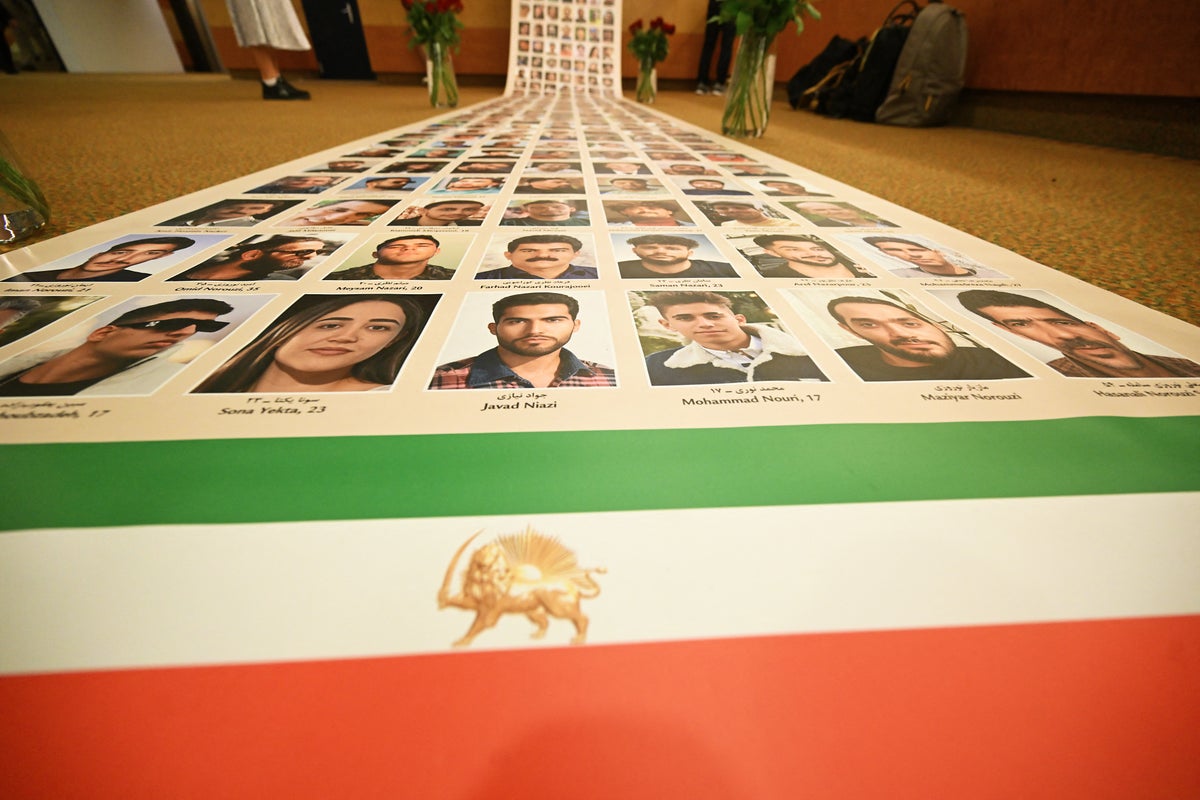
The executions of Behzad and Safvat do not stand alone. They form part of an escalating campaign targeting anyone accused of collaboration with foreign adversaries or domestic opposition factions. Over the past year, human rights groups have documented an unprecedented volume of executions, pushing totals to levels not seen in decades.
As geopolitical tensions across the Middle East remain high, security apparatuses inside Iran continue to prioritize internal counter-intelligence operations. For families and legal advocates, the lack of transparency surrounding arrests, swift trials, and secret dawn executions means the true scope of this security sweep remains difficult to track.
Check local human rights monitoring reports for ongoing updates regarding political prisoners and scheduled appeal hearings.