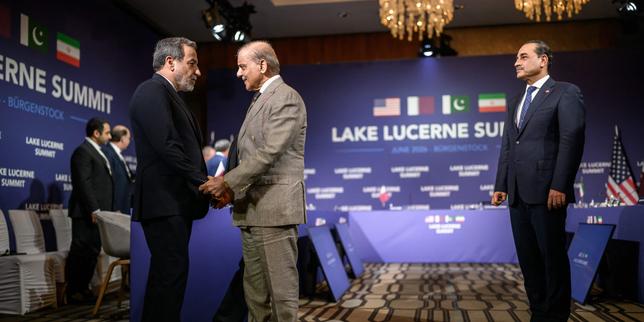
Tehran is no longer acting like a cornered regime. If you look at recent diplomatic gatherings in Switzerland, Iranian officials are carrying themselves with a swagger that is genuinely rattling Western observers. It is an unsettling shift in body language, and it points to something much deeper than mere posturing.
For years, Washington relied on a predictable playbook. Sanctions, diplomatic isolation, and strategic pressure were supposed to keep Iran on the defensive. That playbook is failing. Tehran feels it has scored major symbolic victories over the United States, and that belief is driving a newly aggressive diplomatic strategy.
We need to talk about what changed and why this new confidence matters for global stability.
The Illusion of Isolation
Western policy has long operated on the assumption that economic pressure creates diplomatic humility. It does not. Walk into any Swiss diplomatic venue where these discussions happen, and you see the exact opposite. Iranian representatives are not begging for relief. They are dictating terms.
This bold posture stems from a series of geopolitical shifts that Tehran views as clear wins. They have successfully deepened ties with major global powers, effectively blunting the edge of unilateral Western sanctions. When a nation finds alternative economic lifelines, the threat of isolation loses its teeth. Iran knows this. The United States knows it too, even if Washington is loath to admit it publicly.
The symbolic victories are highly visible. We see it in the way Tehran handles regional proxy dynamics, naval standoffs, and advanced nuclear developments. Every time the US draws a red line and fails to enforce it with absolute clarity, Iran notches a win. These moments accumulate. They build a narrative of American decline that Tehran is exploiting beautifully on the international stage.
Reading the Room in Switzerland
Switzerland has always served as the neutral ground where adversaries look each other in the eye. Right now, the view from Geneva and Bern is bleak for Western interests.
Diplomats on the ground report a palpable change in tone. The traditional defensiveness from Iranian state actors is gone. Instead, there is a sharp, mocking certainty. They view Western political divisions as a structural weakness. They see a hesitant Washington and a fragmented Europe, and they are choosing this exact moment to push their advantage.
This is not just about nuclear centrifuges or regional influence. It is about status. Tehran wants recognition as an inescapable regional heavyweight, a power that cannot be contained or ignored. Their behavior in neutral Swiss forums shows they believe they have already earned that status. The West is left playing catch-up, reacting to facts created on the ground rather than driving the agenda.
What Washington Gets Wrong About Symbolic Wins
Critics often dismiss symbolic victories as meaningless theater. That is a dangerous mistake. In international relations, perception often dictates reality.
When Iran successfully defies American pressure without facing catastrophic consequences, it sends a message to the rest of the world. It signals that American dominance is negotiable. For countries sitting on the fence globally, that message is incredibly persuasive. It erodes the deterrence that the US spent decades building.
We have arrived at a point where the old toolkit is broken. Piling on more sanctions achieves diminishing returns. Issuing stern statements from the State Department changes nothing. Iran has factored these responses into its calculations and decided it can handle the cost.
The Next Steps for Western Strategy
The current trajectory is unsustainable. If the West wants to counter this troubling rise in Iranian confidence, it has to change its approach immediately.
First, drop the rhetoric of total isolation. It is an outdated concept that does not align with the reality of modern geopolitical alliances.
Second, establish clear, undeniable red lines with predictable outcomes. Strategic ambiguity only works when your opponent fears your next move. Right now, Tehran does not seem to fear Western reactions, and that is the most dangerous development of all.
Watch the diplomatic maneuvers in Switzerland closely over the coming months. The body language of the negotiators will tell you everything you need to know about where the real balance of power is shifting.