Geopolitics rarely offers clean turning points, but the fallout from the recent American midterm elections and political deadlocks in Israel have radically altered the playing field in the Middle East. Donald Trump and Benjamin Netanyahu built a synchronized approach toward Iran, banking on maximum pressure and military deterrence. That strategy just hit a massive wall. With Democrats seizing control of both chambers of Congress and Tehran loudly mocking Washington's political turbulence, the narrative around the ongoing confrontation has shifted dramatically.
The Domestic Blow That Shook Washington
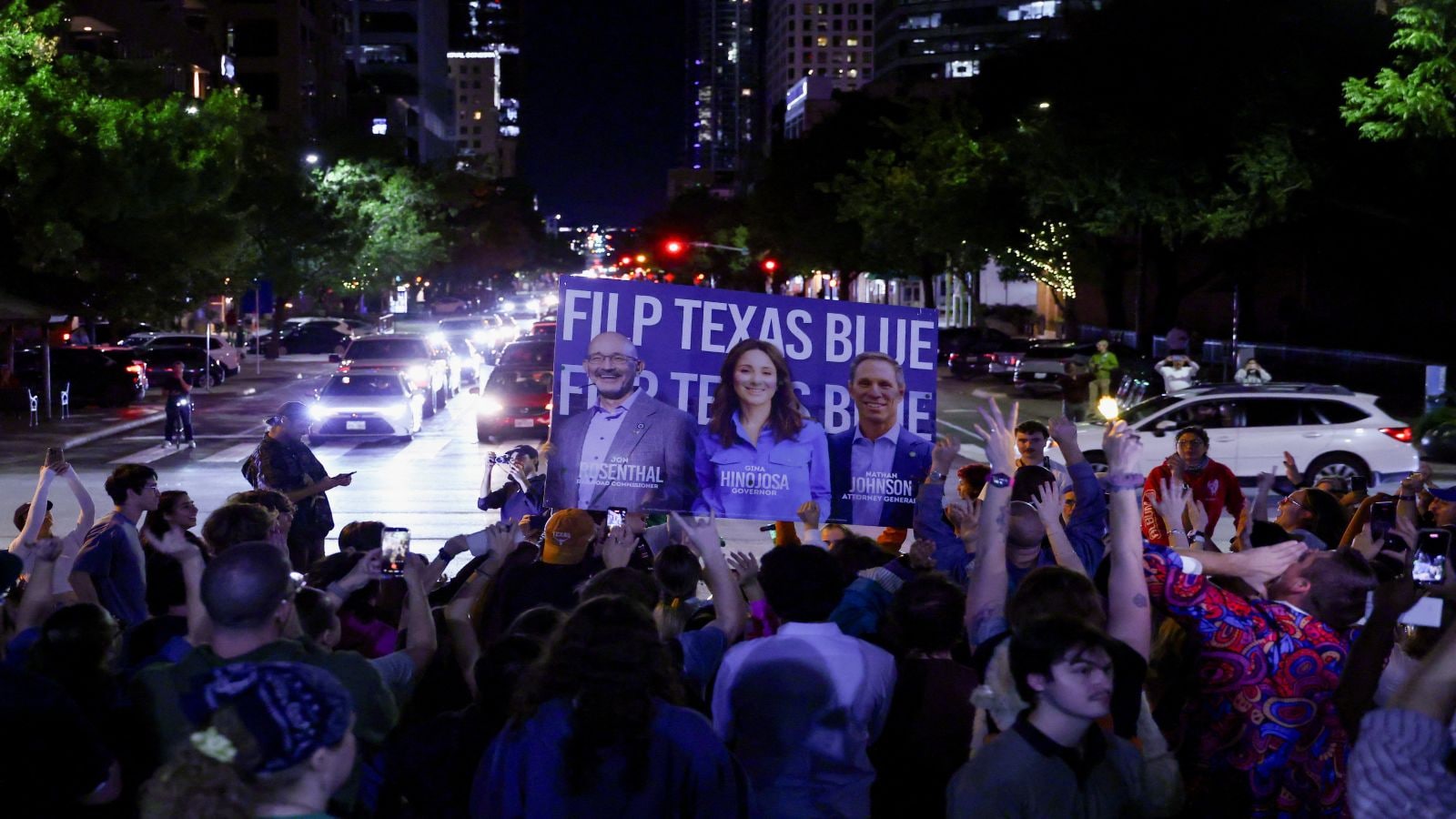
When American voters headed to the polls for the midterms, they weren't just casting ballots on local economic issues; they delivered a stinging rebuke of the administration's foreign policy entanglements. The Democratic sweep across the House and Senate stripped Trump of his unfettered legislative control, creating a constitutional bottleneck that severely limits his ability to fund or greenlight new military adventures abroad without facing intense domestic gridlock.
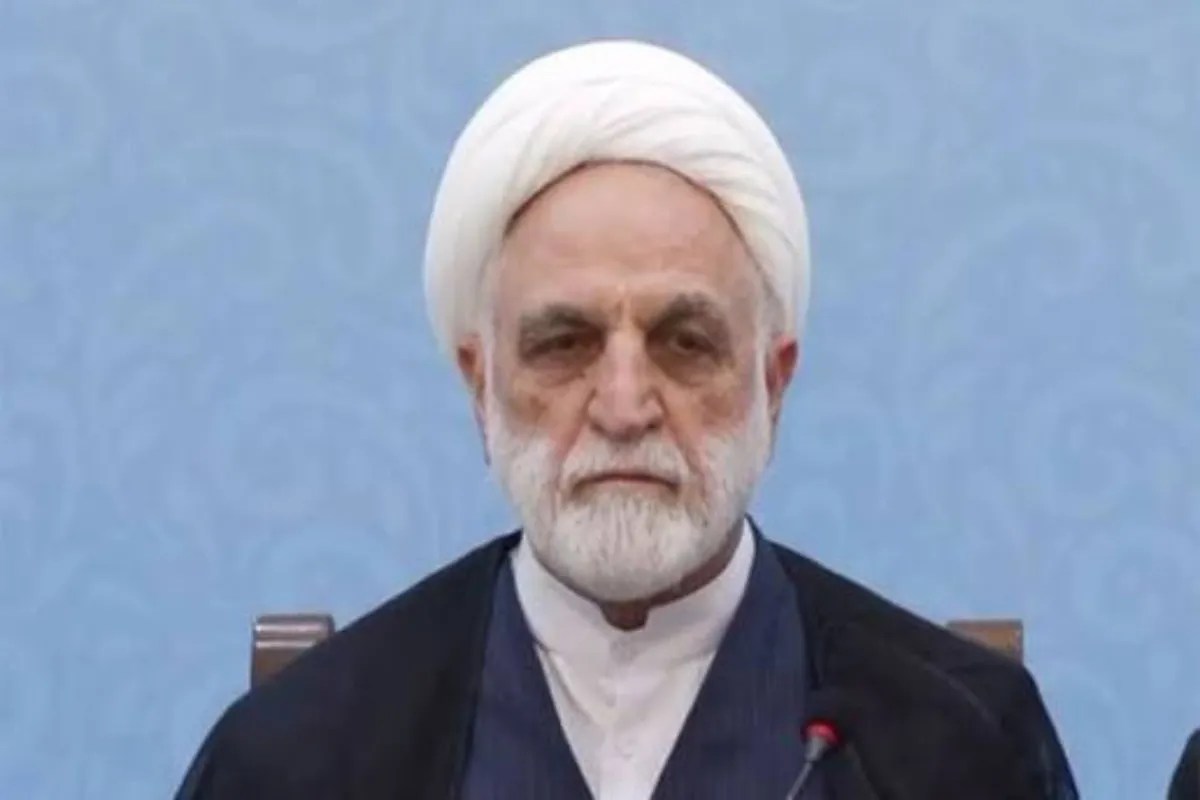
Tehran noticed immediately. Iranian judiciary chief Gholamhossein Mohseni-Ejei didn't mince words, declaring publicly that Trump had lost both on the battlefield and in domestic politics, vowing that Iran would respond with even harsher setbacks if provoked. Parliamentary leaders in Iran framed the congressional defeat as an unmistakable message from the American public. They argued that ordinary citizens are tired of endless regional escalations and want a return to diplomacy—or at least an end to reckless provocations.
Israel's Political Stalemate Compounds the Pressure
Across the region, Netanyahu is facing an equally precarious reality. The recent political deadlock in Israel left the ruling coalition struggling to secure a stable parliamentary majority. When your primary regional ally is fighting for political survival at home, aggressive foreign policy postures become much harder to sustain.
For months, the Trump-Netanyahu axis relied on the threat of renewed kinetic strikes to force concessions from Tehran. But stalemated military operations, combined with domestic election routs, mean neither leader can project strength the way they used to. The Iranian Revolutionary Guard Corps and state media have seized on these vulnerabilities, broadcasting images that mock Western leadership and framing the political shifts as proof that aggressive foreign policies ultimately collapse under their own weight.
What This Means for the Future of the Conflict
Despite the harsh rhetoric and routine flag-burning displays tied to domestic political calendars in Tehran, diplomatic channels haven't completely dried up. Mediators in Qatar and nations like China continue pushing behind the scenes to keep talks alive.
Trump maintains that the US remains "locked and loaded" if necessary, yet he has also acknowledged that a full-scale return to open warfare might not be practical or politically viable given the new congressional math. Iran, meanwhile, is betting that political fatigue inside the United States will tie the White House's hands permanently.
The real test will happen over the coming weeks. If Washington tries to pivot back to aggressive posture maneuvers, it will now have to answer to a hostile, opposition-controlled Congress that is deeply skeptical of new foreign wars. Tehran knows this dynamic gives them breathing room, and they aren't going to let up on the psychological warfare anytime soon. Watch how the legislative branch begins cutting off funding pipelines for overseas operations; that will tell you everything you need to know about who really won this political round.