The Strait of Hormuz is boiling again. Iran claims its forces struck an unmanned American naval vessel, while the U.S. military flatly dismisses the assertion as a total fabrication. It is a high-stakes war of words layered on top of real missile exchanges, tank attacks, and a collapsing diplomatic framework.
If you are trying to make sense of the latest Middle East flashpoint, you are looking past the headlines at a dangerous game of escalation dominance. Let's break down what actually happened, why both sides are playing this narrative game, and what it means for global shipping lanes.
The Strait of Hormuz Standoff
State media in Tehran announced that the Islamic Revolutionary Guard Corps targeted a remotely operated U.S. military boat attempting to pierce a restricted maritime zone. They offered no hull numbers, no precise geographic coordinates, and no visual proof.
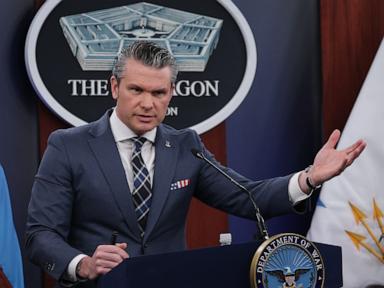
Enter U.S. Central Command. Captain Tim Hawkins didn't mince words, labeling the claim "a total lie".
Why does this matter? Because perception is half the battle in modern maritime warfare. Iran needs to project strength to domestic audiences and regional allies after weathering months of punishing American and Israeli airstrikes. Washington needs to maintain deterrence and project absolute operational control over critical chokepoints.
The Escalation Cycle You Aren't Seeing
This latest maritime claim didn't happen in a vacuum. It follows a brutal week of renewed hostilities that shattered a fragile month-long lull.
The sequence went like this:
- Iran launched ballistic missiles targeting U.S. Navy warships.
- The U.S. retaliated immediately by striking three Iranian oil tankers.
- Iranian hardline officials signaled that the era of proportional responses is finished, promising faster and heavier retaliation.
Diplomacy is completely dead right now. The memorandum of understanding signed back in mid-June has fallen apart, and the backchannels have gone cold. Both nations are trying to inflict maximum economic and military pain without triggering an all-out land war that neither side wants or can afford.
What's Next for Global Shipping
Tankers are still moving, but the margins for error are razor-thin. Tehran is signaling plans to establish a formal exclusion zone outside the Strait of Hormuz to intercept commercial and military transit it deems hostile.
If you rely on global supply chains or energy markets, keep a close eye on insurance rates for Gulf transit. Shipping lines are already recalculating risk. The U.S. Navy is stretched thin escorting tankers, and every false claim or disputed drone strike brings the region closer to a genuine maritime choke.
Don't wait for official diplomatic breakthroughs. Watch the water.