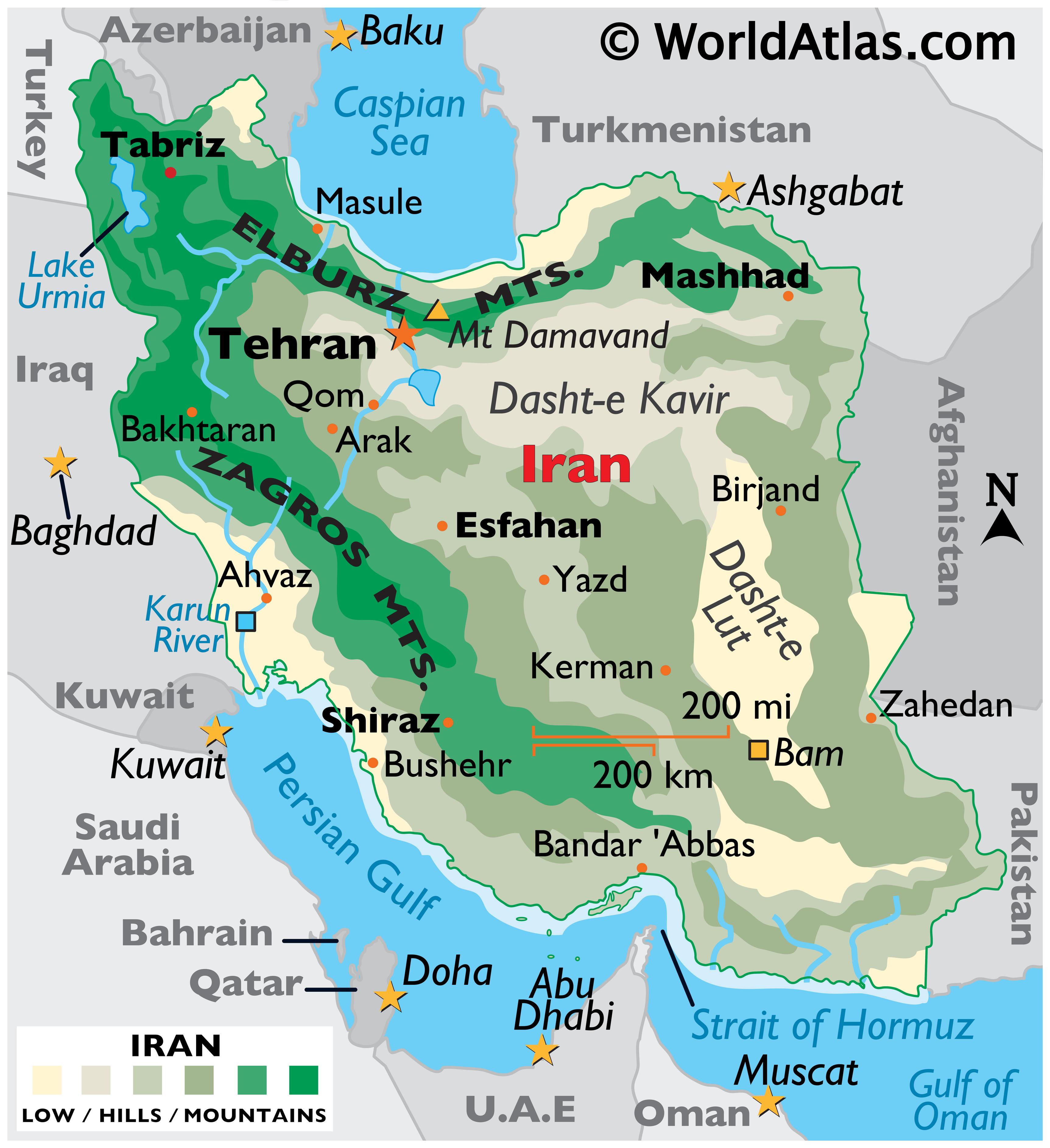
State television broadcasts out of Tehran recently carried a striking message from military leadership. Hitting Israel, according to top officials, has become much easier than it used to be. It is a blunt assertion that cuts right through standard diplomatic doublespeak.
If you look past the propaganda, what does this actually mean for regional stability? Let's break down the realities behind the rhetoric. If you liked this post, you might want to read: this related article.
Shifting Calculations in Tehran
For years, military analysts assumed that layered air defense architectures created an almost impenetrable shield across the Middle East. But Iranian officials argue that the equation has fundamentally shifted. According to statements attributed to military spokespeople, ongoing regional friction and the degradation of localized radar installations have altered the tactical balance.
You have to look at how ballistic missile and drone capabilities have evolved over recent years. Tehran has heavily invested in standoff weapons designed to overwhelm traditional interceptor batteries. When military commanders claim operations are easier, they are pointing to stockpiles of more maneuverable payloads and updated guidance systems. For another look on this event, check out the recent update from USA.gov.
The Reality on the Ground
Of course, claiming superiority on state television is very different from executing a complex strike in practice. Israel maintains one of the most sophisticated multi-tiered air defense networks on earth, featuring systems like Iron Dome, David's Sling, and Arrow.
Yet, deterrence relies heavily on perception. By broadcasting these warnings, Iran aims to convince domestic audiences and regional adversaries that its offensive reach remains intact despite severe economic pressure and internal strain.
- Regional radar networks face constant stress.
- Proxy groups act as secondary friction points.
- Strategic posturing remains at an all-time high.
What Happens Next
The escalation cycle shows no signs of cooling down. Intelligence assessments indicate that both sides are keeping their alert levels elevated, anticipating potential moves around sensitive holidays or political milestones.
Keep a close eye on the intelligence reports coming out of the border regions rather than just the headlines. That is where the real operational shifts happen.
Iran Plans 'Biggest Attack' On Israel During Jewish Holidays?
This video is relevant because it analyzes the recent military warnings and regional escalation dynamics between Iran and Israel.
http://googleusercontent.com/youtube_content/1