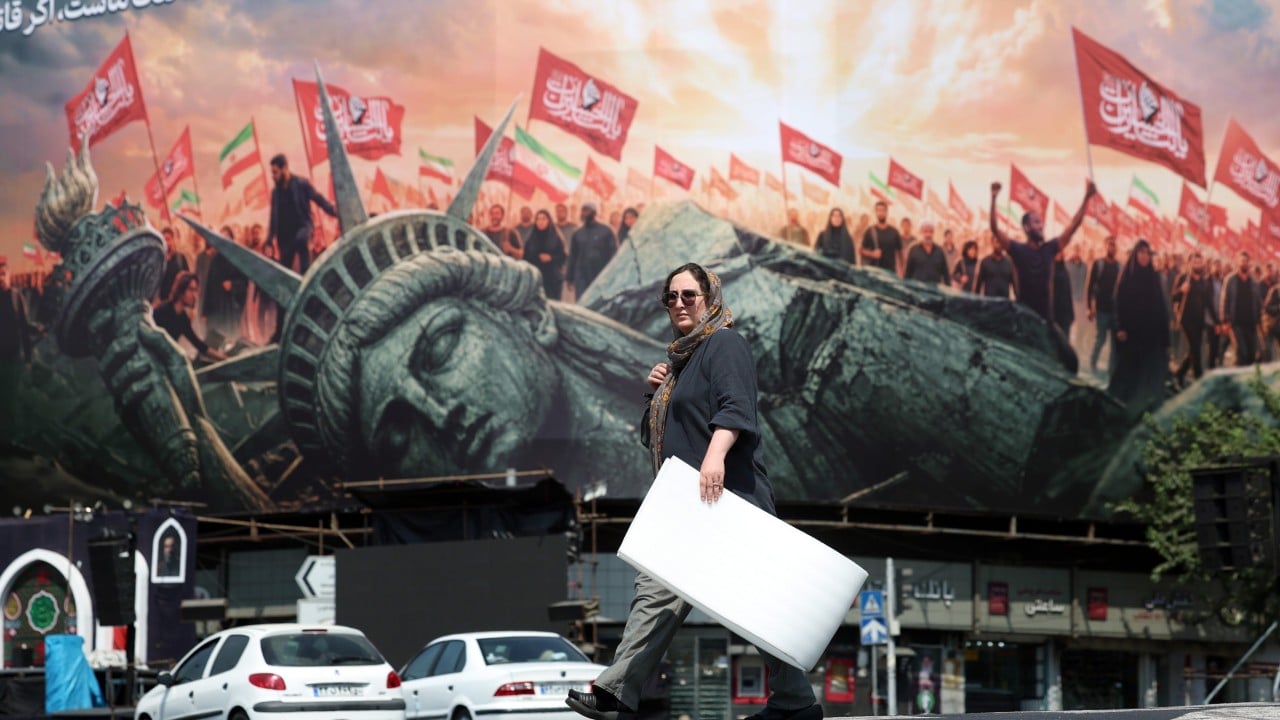
When former Iranian leaders start talking about peace while slamming Washington's track record, nobody should look away. Former Iranian President Hassan Rouhani recently came forward with a blunt assessment of regional tensions, arguing that enduring peace cannot coexist with ongoing armed conflict, while simultaneously pointing out why Tehran struggles to trust the United States.
If you think this is just standard posturing, you're missing the entire strategic shift happening behind closed doors in the Middle East. Let's look at what's really driving these statements and why foreign policy observers keep getting the nuance wrong.
Breaking Down the Trust Deficit Between Tehran and Washington
Trust isn't broken overnight. Decades of sanctions, covert operations, proxy escalations, and the unilateral withdrawal from the 2015 Joint Comprehensive Plan of Action, known widely as the Iran nuclear deal, created an almost unbridgeable gulf.
When Rouhani mentions that the US can't be trusted, he isn't inventing a grievance. He's echoing a deeply rooted consensus within Iranian political circles that agreements signed by one American administration risk being shredded by the next. That reality makes long-term diplomatic commitments exceptionally difficult for any Iranian official to sell domestically.
Look at how international diplomacy usually works. Stability requires predictable partners. Yet, every single time Tehran considers stepping back from the brink, internal political pressures on both sides push leaders back into aggressive postures.
The Economic Cost of Perpetual Hostility
Sanctions hurt. Ordinary citizens bear the heaviest burden of currency devaluation, inflation, and restricted access to global markets. Rouhani built much of his political career on the premise that engagement with the West could relieve economic pressure. His recent statements remind everyone that military escalation is a luxury Iran’s economy simply cannot sustain.
Behind the political rhetoric lies a simple math problem. You can't fund domestic infrastructure, control rising consumer prices, and manage public discontent while pouring billions into regional proxy conflicts.
- Inflation rates remain persistently high inside the country.
- Currency stability depends heavily on oil export loopholes and regional trade.
- Public frustration regularly boils over into street protests.
When a former president publicly prioritizes diplomacy over continued confrontation, he is speaking directly to domestic constituencies who are tired of paying for geopolitical posturing.
Why Washington Keeps Misreading the Iranian Political Spectrum
Western media often paints Iranian politics with a single, monolithic brush. That's lazy analysis. The political ecosystem in Tehran features fierce internal competition between hardliners and moderate pragmatists.
When moderate voices push for diplomatic openings, they face immediate backlash from hardline factions who argue that talking to Washington is a fool's errand. Every time US policymakers implement new sanctions or issue military threats, they hand a gift to those hardliners. It basically proves their point: America only understands pressure.
To change that dynamic, foreign policy experts suggest shifting away from maximum pressure campaigns that punish civilian populations without altering state behavior. Real diplomacy requires off-ramps, not dead ends.
What Happens Next in Middle Eastern Diplomacy
Diplomatic backchannels rarely stop moving, even when public rhetoric turns hostile. Regional powers like Saudi Arabia and the United Arab Emirates have spent the last few years patching up relations with Tehran precisely because they realize endless war threatens their own economic futures.
If Washington wants to break this cycle, it has to move past reactive policymaking. Ignoring the internal debates happening inside Iran guarantees more of the same stalemate.
Peace takes actual risk. Until both capitals decide that talking is cheaper than fighting, statements from former leaders will remain just that—warnings from the sidelines of a game nobody is winning.
Take a hard look at the structural incentives driving these conflicts. Change doesn't start with ultimatums. It starts when leaders realize the alternative is too expensive to maintain.