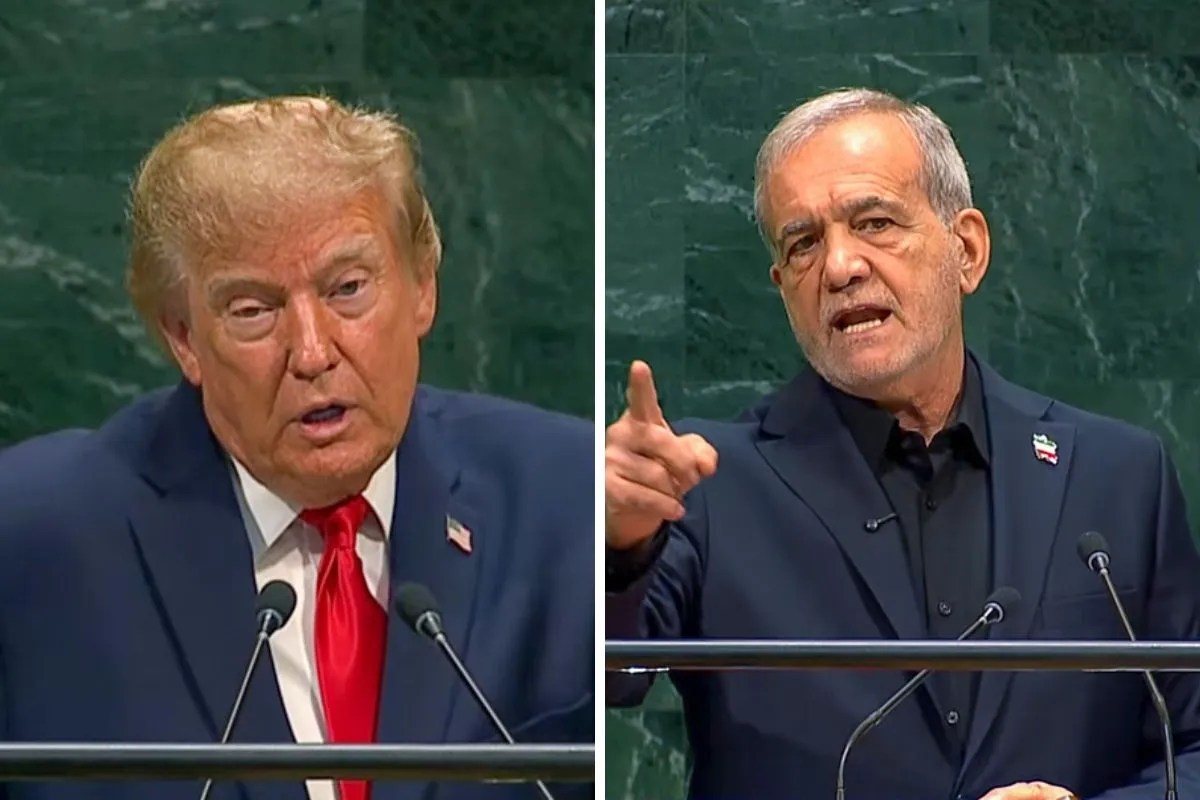
You can't box a nation into a corner with crippling sanctions, threaten military annihilation, and then expect its leaders to sit down for tea with a smile. That is the exact message Iranian President Masoud Pezeshkian delivered to Washington, drawing a hard line against the return of Donald Trump's maximum pressure campaign.
If you've been watching the Middle East lately, you know the diplomatic temperature is boiling over. Tehran isn't blinking. Instead, Iranian leadership has laid down strict preconditions for any future engagement, making it clear that coercion and negotiation cannot coexist.
Let's break down what's actually happening behind the headlines, why Trump's playbook is meeting unprecedented friction, and what this standoff means for global energy markets and regional security.
The Core Conflict Behind The Rhetoric
When Donald Trump stepped back into the White House, foreign policy experts anticipated an immediate return to aggressive deterrence against Iran. They weren't wrong. Within weeks, Washington rolled out renewed economic restrictions while maintaining a posture of military readiness alongside its regional allies.
Pezeshkian didn't mince words in response. During recent diplomatic briefings and regional security exchanges—including high-level talks involving Pakistani military leadership—the Iranian president pointed out the obvious contradiction. You can't blockade a country, squeeze its oil exports, and simultaneously demand unconditional talks on your terms.
"We want peace, but we will never bow to intimidation," Pezeshkian essentially argued, pointing out that historical agreements collapsed because Washington walked away when it suited American political interests.
Tehran Seven Demands And The Hard Reality
Iran isn't just complaining; they have codified their resistance. Reports from Iranian state media and regional agencies indicate that parliamentary leaders, including speaker Mohammad Bagher Ghalibaf, have outlined seven specific preconditions before any diplomatic table is even approached.
What's on that list?
- An immediate, verifiable halt to military operations and escalations on all fronts.
- The immediate unfreezing of billions of dollars in Iranian assets held abroad under U.S. pressure.
- A complete removal of naval blockades and maritime chokeholds in crucial shipping lanes like the Strait of Hormuz.
Let's be honest about these demands. Washington is never going to check off every single box overnight. That is precisely the point. Tehran is throwing up bureaucratic and political brick walls to test Washington's appetite for a prolonged, expensive diplomatic war of attrition.
The Maritime Chokehold And Global Energy Panic
You can't talk about U.S.-Iran friction without looking at the map. The Strait of Hormuz remains the jugular vein of global energy transport. When tanker incidents spike off the coast of Oman, or when regional proxies clash near vital waterways, insurance rates for shipping containers skyrocket globally.
Iran holds a strategic card that no amount of economic pressure can easily erase. They control the northern coastline of this crucial passage. Recent incidents involving damaged oil tankers and naval standoffs prove that tension in the Persian Gulf directly threatens the flow of global crude.
Meanwhile, secondary players are scrambling. Look at the wider geopolitical chessboard: Russia is moving diesel shipments toward North American markets following bilateral adjustments, while regional military figures like Pakistan's Army Chief Asim Munir shuttle between Tehran and regional capitals trying to prevent a full-scale conflagration. Everyone knows that a mistake in these waters could trigger a chain reaction nobody can contain.
Why Maximum Pressure Might Backfire This Time
Trump strategy relies on the assumption that economic pain will force adversaries to surrender at the bargaining table. It worked in some contexts during his first term. But Iran has spent years hardening its economy against sanctions, pivoting toward alternative trade routes with Asian partners, and building deep underground military infrastructure.
When you isolate a country for decades, it stops fearing isolation. It adapts.
Pezeshkian represents a reformist-leaning faction within Iran's complex power structure, which makes his hardline stance even more significant. Even leaders who want engagement cannot afford domestic political suicide. If Pezeshkian agreed to talk while American warplanes patrolled the region and sanctions tightened, hardliners back home would destroy his administration politically.
So, what happens next?
Washington faces a classic strategic dilemma. Double down on sanctions and risk an accidental maritime war in the Persian Gulf, or soften the rhetoric and offer genuine concessions to bring Tehran back to the table. Right now, neither side is willing to blink first. Keep your eyes on the shipping lanes, because the next spark won't come from a conference room. It will come from the water.