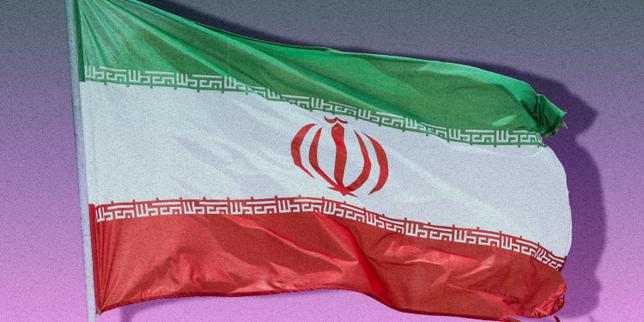
When a government starts hanging people in record numbers, it isn't acting from a position of strength. It's panicking.
Look closely at what's happening behind closed doors in Iran right now. The state machinery relies on a steady stream of executions, public crackdowns, and intimidation campaigns. Observers often misread this surge in state-sanctioned violence as proof of absolute control. They see the iron fist and assume the ruler's grip is secure.
That perspective gets things entirely backward.
The spike in executions across Iranian prisons signals deep, systemic panic. When an administration loses its ideological legitimacy among the general population, coercion becomes its only tool left in the box. Fear replaces consent. The gallows become the primary instrument of governance because persuasion no longer works.
The Illusion of Absolute Control
Let's strip away the propaganda. Dictatorships don't ramp up capital punishment when citizens feel content, prosperous, or even pacified. They do it when the social contract has completely shattered.
Consider the economic pressures crushing everyday families in Tehran, Isfahan, and beyond. Inflation runs rampant, currency values plunge, and basic goods cost a fortune. Young professionals see no future under the current clerical establishment. Protests flare up repeatedly, driven by women, students, and workers who refuse to back down despite the high personal cost.
The ruling elite watches this groundswell and understands a harsh reality. Their days are numbered if they rely on popular support. So, they pivot entirely to terror.
By executing dissidents, drug offenders, and minority activists at an alarming clip, the judiciary sends a loud, bloody message. They want you to stay home. They want you to stay quiet. They want the sheer horror of the state machine to freeze your ambitions.
Yet, terror has a shelf life. It breeds quiet resentment before it breeds open defiance.
Why State Violence Backfires Over Time
History offers clear lessons on how regimes collapse under the weight of their own crackdowns. When every minor offense or political dissent carries a death sentence, the deterrent effect wears off. People stop fearing the law because the law offers them no protection or future anyway.
You can trace this dynamic in international human rights reports from organizations like Amnesty International and Iran Human Rights. Year after year, the numbers climb. The state targets not just hardened criminals, but activists, dissidents, and ethnic minorities who demand basic dignity.
This narrow focus on physical elimination reveals an intellectual bankruptcy at the top. The regime has no new economic policies to offer. It has no social reforms that appeal to a young, tech-savvy population. It has only the rope.
The Cost of Isolation
Internationally, this obsession with internal repression isolates the country further. Diplomatic channels freeze up when foreign governments watch daily execution reports pile up. Economic sanctions tighten because trading partners face immense political blowback for dealing with a regime that slaughters its own citizens with impunity.
Instead of cowing the international community into lifting pressure, the surge in executions invites more scrutiny. It unites human rights advocates across borders and keeps the spotlight fixed on the systemic abuses happening inside Iranian detention facilities.
What Comes Next for the Regime
Predicting the exact timeline of political collapse is impossible. Authoritarian systems can limp along in a state of terminal decay for years, propped up by security forces who have a vested interest in the status quo.
Don't mistake survival for stability.
A government that needs continuous bloodshed to keep people off the streets is living on borrowed time. Every execution etches a deeper line of grievance into the collective memory of the nation. Mothers, fathers, and friends who lose loved ones to the state don't quietly forgive and forget. They pass that anger down.
Keep your eyes on the structural cracks rather than the surface-level shows of force. The next time you see headlines about rising execution statistics in Iran, remember what it actually represents. It isn't a display of an invincible regime flexing its muscles. It's a trembling authority desperately trying to hold back a rising tide with a wall of corpses.
Pay attention to grassroots organizing, labor strikes, and underground resistance networks. That is where the real future of the country is being shaped, far away from the courtrooms handing down death sentences. Support independent human rights monitors, amplify the voices of Iranian civil society groups, and refuse to accept state-sponsored terror as normal.