You won't believe how cheap fuel is inside Iran. Thanks to severe currency devaluation and massive government subsidies, filling up a tank there costs pennies compared to neighboring nations. This massive price gap creates a lucrative underground market. Criminal syndicates routinely risk everything to siphon petroleum out of the country.
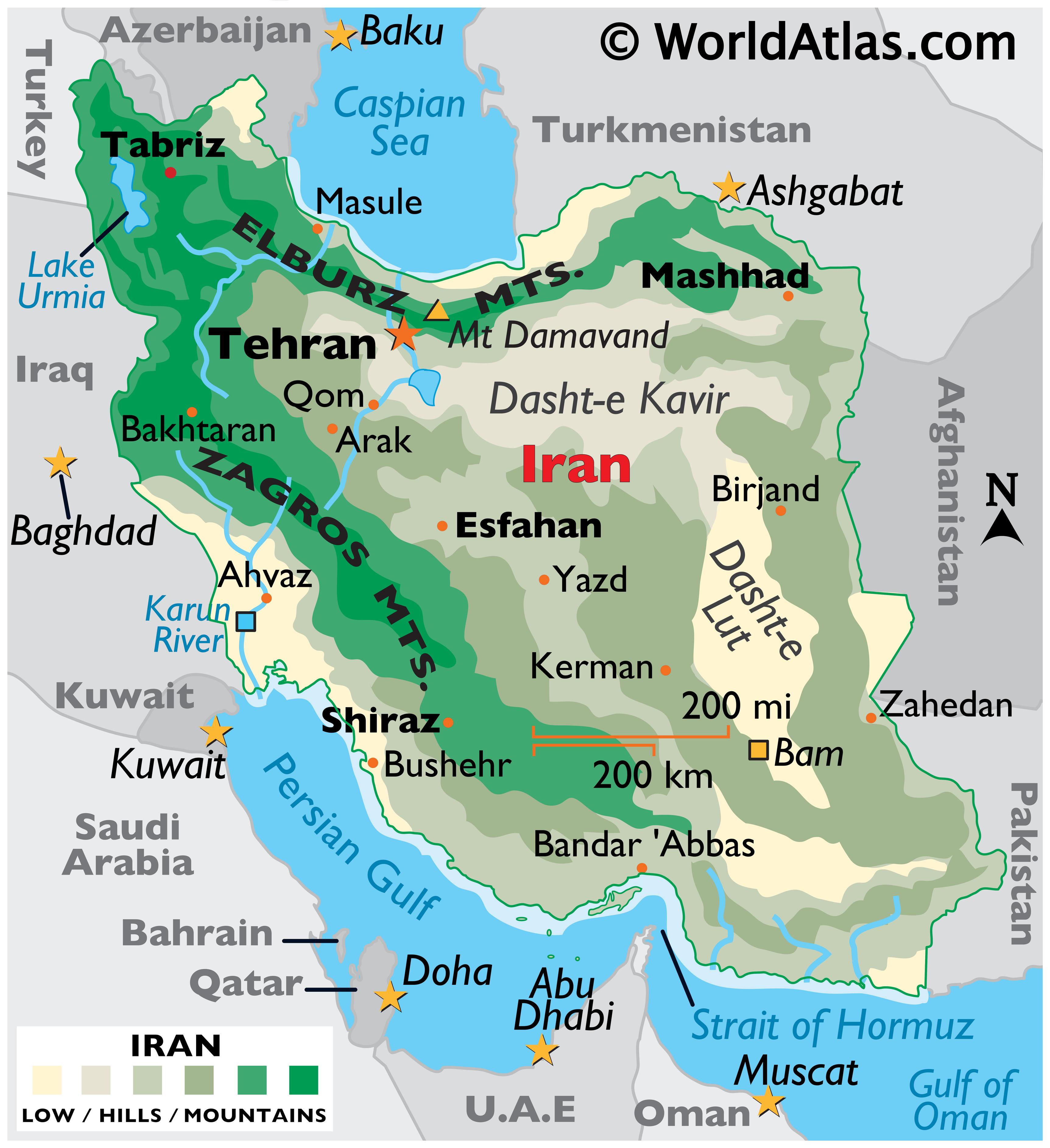
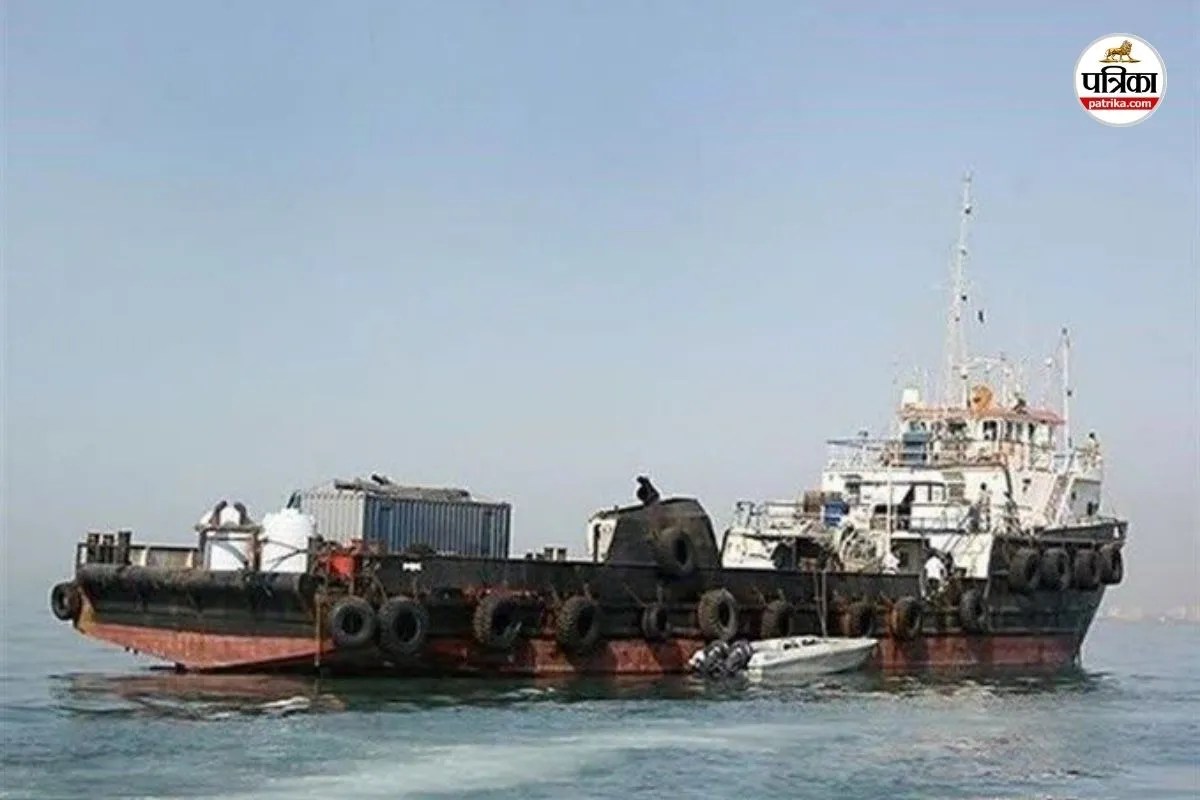
Recently, Iranian border guards intercepted a tugboat in the northern Persian Gulf carrying a staggering 382,000 liters of smuggled diesel. Eleven foreign crew members were hauled into custody during the high-stakes maritime raid. But this seizure is just a drop in the ocean of a much larger crisis.
Inside the Persian Gulf Interception
Intelligence agencies caught wind of an unusual tugboat movement operating covertly in the northern waters of the Persian Gulf. Coast guard units didn't wait around. They tracked the vessel, boarded it, and discovered specialized concealed tanks built specifically to evade detection.
Inside those hidden compartments sat 382,000 liters of illegally acquired diesel. Authorities haven't released the exact nationalities of the eleven detained crew members yet, keeping the investigation tightly under wraps.
Maritime smuggling in this region follows a predictable playbook. Small tugboats or barges collect subsidized fuel locally, transfer it offshore to larger mother ships, and offload it to international buyers at market rates. The profit margins are astronomical. One successful run can net millions, making the risk of a coast guard interception an acceptable business cost for smugglers.
Why Domestic Fuel Shortages Drive the Crisis
It's easy to view this as a purely financial crime, but the reality hits everyday citizens much harder. While smugglers ship hundreds of thousands of liters out to sea, regular people back home face brutal realities.
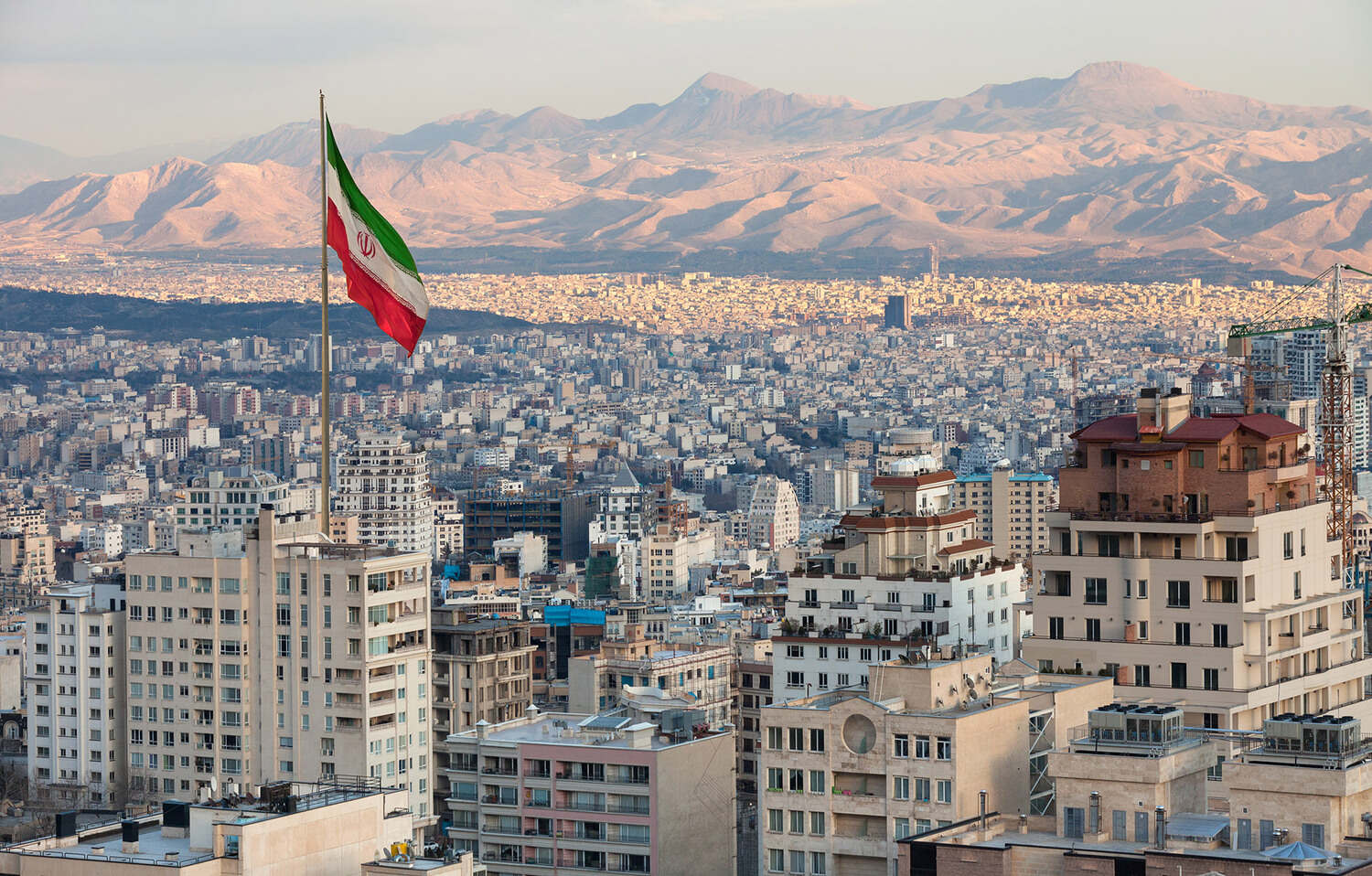
Tehran and other major cities have recently experienced long queues at local petrol stations. Domestic shortages are worsening because heavily subsidized resources leak across borders every single day. When national supplies vanish into black-market channels, ordinary citizens bear the brunt of the scarcity.
Parliamentary leaders, including Speaker Mohammad Bagher قالیباف (Ghalibaf), have publicly urged citizens to drastically curb their energy consumption. The government is under intense pressure to secure local distribution networks while fending off external economic pressures and regional military tensions.
The Broader Geopolitical Pressure Cooker
Smuggling doesn't happen in a vacuum. The Persian Gulf and the Strait of Hormuz represent the world's most volatile maritime chokepoints. With ongoing regional friction involving external powers and domestic economic strain, controlling national borders is harder than ever.
Security forces in the region now operate under heightened alert. Naval patrols have intensified across both the Persian Gulf and the Gulf of Oman. Tehran wants to signal that unauthorized resource extraction will face severe military and legal penalties, regardless of who operates the vessel.
Expect more aggressive maritime boardings in the coming months. As long as the price disparity between domestic Iranian fuel and international markets remains wide, criminal syndicates will keep trying their luck on the water. Authorities know they cannot stop every boat, but seizing a 382,000-liter cargo sends a loud warning to the syndicates operating in the shadows.