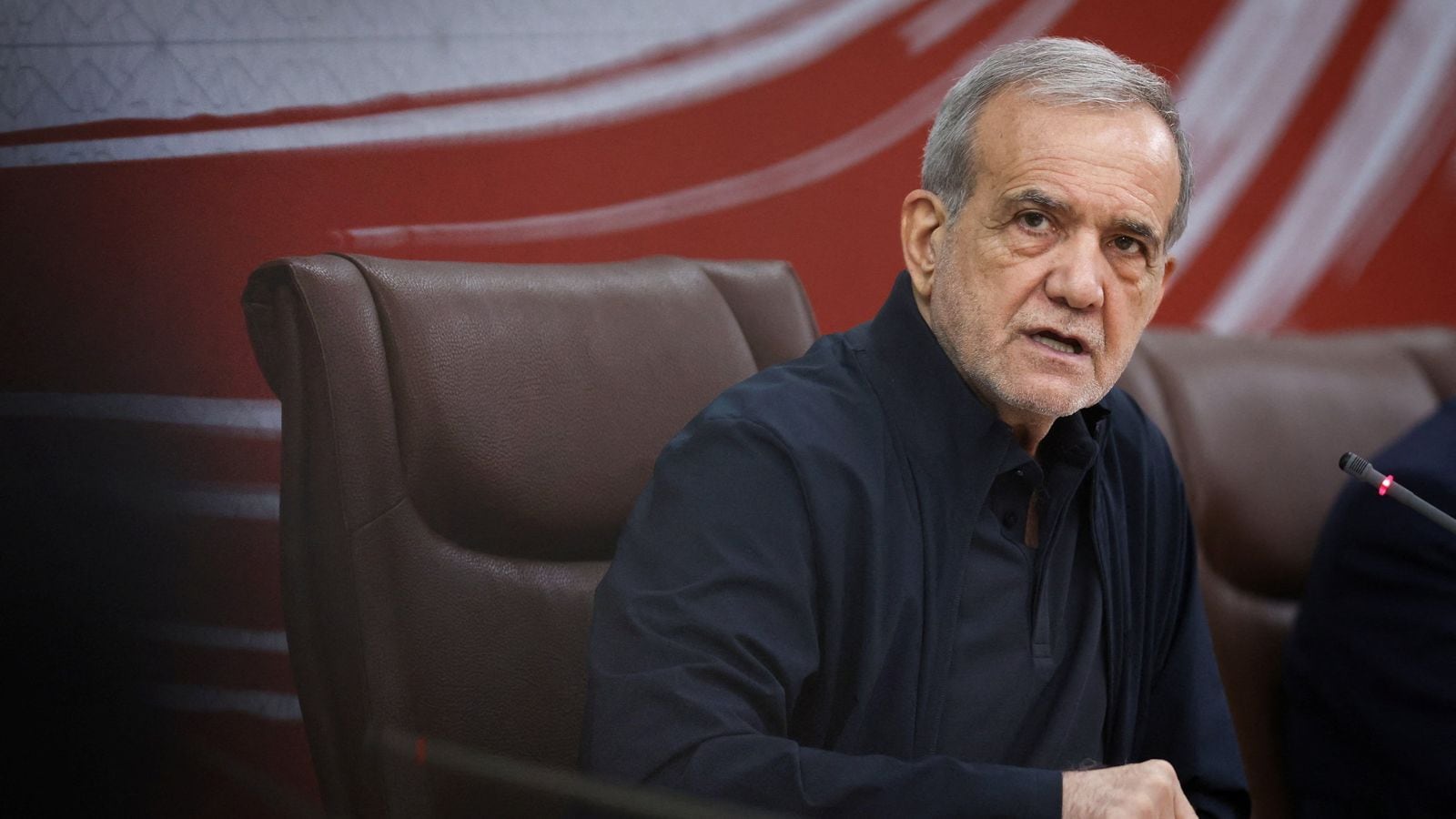
Iranian President Masoud Pezeshkian is heading to New Delhi this September for the 18th BRICS Summit. If you think this is just another diplomatic photo-op, you are missing the entire plot.
India holds the BRICS chairship for 2026 under the banner of "Building for Resilience, Innovation, Cooperation and Sustainability". For Tehran, showing up in the Indian capital isn't just about routine bloc attendance. It is a calculated move to anchor regional security ties while navigating heavy diplomatic crosswinds in West Asia.
Let’s look at what this actually means on the ground, why Tehran is leaning into New Delhi's orbit, and what to watch for when global leaders land in India.
The Real Weight of the New Delhi Summit
When Iran officially joined BRICS as a full member in 2024 alongside Egypt, Ethiopia, and the United Arab Emirates—followed by Indonesia joining in 2025—the economic bloc shifted from a loose acronym into an expanded club of 11 nations. It represents a direct challenge to traditional Western-dominated financial and political architecture.
Peering past the surface rhetoric, President Pezeshkian's upcoming trip signals a deep desire to cement multilateral safety nets. Iranian leadership has repeatedly pointed out that international institutions need immunity from unilateral political manipulation. Bringing that message directly to New Delhi puts India right at the center of multi-aligned diplomacy.
Remember, this isn't Pezeshkian's first rodeo with Indian Prime Minister Narendra Modi. The two leaders previously sat down on the sidelines of the Kazan BRICS Summit in October 2024 to lay down the tracks for bilateral and regional cooperation. This upcoming meeting in New Delhi takes those early conversations and puts them under high-stakes pressure.
Why Tehran Wants India at the Table
West Asia remains trapped in a volatile stalemate following the outbreak of wider regional conflicts. Amid these severe security pressures, Tehran has openly signaled that it views New Delhi as a credible, stabilizing global peacemaker.
Earlier in June, Iranian Foreign Minister Abbas Araghchi traveled to New Delhi for the BRICS Foreign Ministers' Meeting. He didn't mince words. Araghchi stated publicly that Tehran sees zero future in armed escalation and believes a negotiated settlement is the only way forward. More importantly, he made it clear that Iran would welcome a constructive mediatory or stabilizing role from India.
That openness gives India a complex balancing act. New Delhi maintains strong, multi-faceted relationships with Western nations, Israel, and Gulf states, while simultaneously keeping historic and economic ties with Iran alive. When Pezeshkian touches down in New Delhi, expect behind-the-scenes conversations to home in on how India can help keep diplomatic channels breathing when everything else is locked down.
Securing the Strait of Hormuz
Energy security and commercial shipping lanes are always on the chopping block during regional flare-ups. During his June visit, Foreign Minister Araghchi made a point of reassuring friendly nations about the security of critical waterways.
He affirmed in talks with External Affairs Minister S Jaishankar that Iran views itself as a historical protector of security in the Strait of Hormuz. Tehran wants commercial partners to know that vital trade routes and regular commerce remain priorities, even as political tensions spike.
When Pezeshkian arrives in September alongside other heavyweights like Russian President Vladimir Putin, expect concrete assurances regarding trade resilience, alternative payment systems, and maritime protection to take center stage.
What Comes Next
Don't expect overnight miracles from a two-day summit in September. Multilateral blocs move slowly. However, Pezeshkian’s physical presence in New Delhi confirms that Iran sees BRICS as its primary diplomatic escape hatch from Western isolation.
Keep an eye on bilateral statements coming out of the summit regarding alternative trade corridors, regional de-escalation frameworks, and energy agreements. That is where the real story will live.


/media/movies/covers/2023/10/Reacher-2.jpg)