Geopolitics rarely moves in straight lines, but the current alignment between New Delhi and Tehran tells a story of pragmatic survival and long-term ambition. As international attention fixes on the upcoming BRICS summit, Iran isn't just looking for another diplomatic stage. Tehran is explicitly pointing to India as a steady anchor during profound regional turbulence.
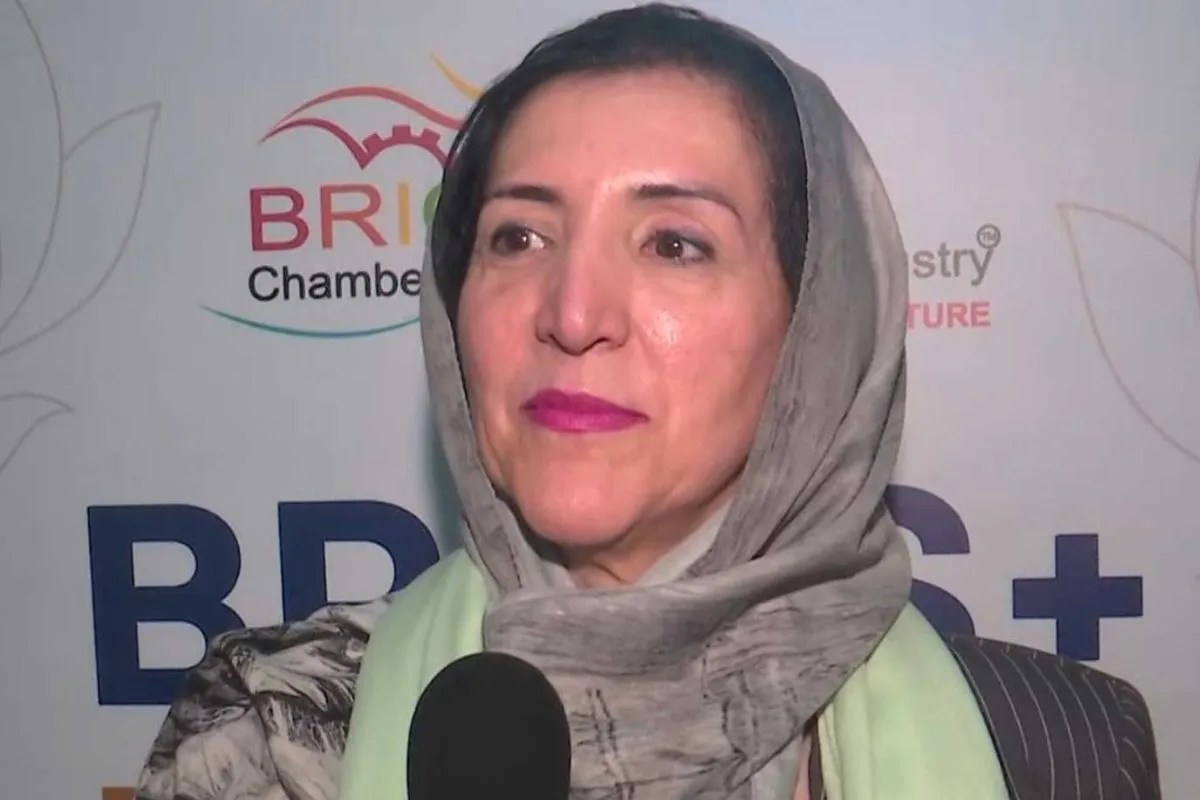
When Zahra Rahai, chairperson of Iran's BRICS Women Business Alliance, recently addressed delegations in India, her tone wasn't standard diplomatic boilerplate. She highlighted the warmth and backing her delegation received when navigating difficult diplomatic waters, noting that India's consistent support matters immensely right now. This reliance isn't born out of sudden desperation. It is the continuation of civilizational ties, shared trade routes, and strategic necessity.
Beyond the Headlines The Economic Core of India-Iran Relations
Most casual observers reduce Iran-India relations to oil shipments and sanctions waivers. That is lazy analysis. The reality on the ground involves deep structural integration, particularly concerning connectivity projects like the Chabahar port and regional frameworks such as the Shanghai Cooperation Organisation and BRICS.
Tehran's current strategy focuses heavily on economic resilience. Iranian officials have made it clear that they want to expand commercial partnerships, specifically targeting women-led enterprises and emerging startups. Creating robust financial channels and credit frameworks for women entrepreneurs allows smaller Iranian businesses to plug directly into international supply chains. When traditional Western banking corridors remain closed due to unilateral sanctions, plugging into alternative multilateral forums like BRICS offers a lifeline.
- Chabahar Port: Serving as India's gateway to Afghanistan and Central Asia, bypassing Pakistan.
- Startup Collaborations: Bridging tech ecosystems between Iranian women entrepreneurs and Indian markets.
- Multilateral Diplomacy: Utilizing BRICS and SCO platforms to normalize trade and reduce dollar dependency.
Why India Matters When Geopolitical Tensions Spike
You have to look at the broader Middle Eastern landscape to understand why Tehran leans toward New Delhi. Iranian Foreign Ministry spokesperson Esmail Baghaei recently emphasized that his country views the BRICS framework as a vital mechanism for dialogue. While Western capitals often frame multilateral summits through the lens of polarization, countries in the Global South see them as essential spaces for economic survival and multilateral balance.
India occupies a unique diplomatic sweet spot. New Delhi maintains functional, working relationships with virtually every major power player in the Middle East—from Tel Aviv and Riyadh to Tehran. That neutrality gives India immense credibility as a mediator and economic partner. Iran recognizes that India doesn't pivot its foreign policy based on shifting Western whims, which makes New Delhi a reliable partner when regional security deteriorates.
What to Watch Next
The upcoming BRICS summit will test whether these diplomatic overtures translate into binding trade mechanisms. Keep an eye on logistical agreements, alternative currency settlement frameworks, and bilateral trade volume targets. If India and Iran successfully institutionalize these frameworks, it could permanently alter how sanctioned economies bypass Western financial choke points.
The partnership between New Delhi and Tehran isn't just about temporary political convenience. It's about building an alternative economic architecture that can weather whatever storms come next.