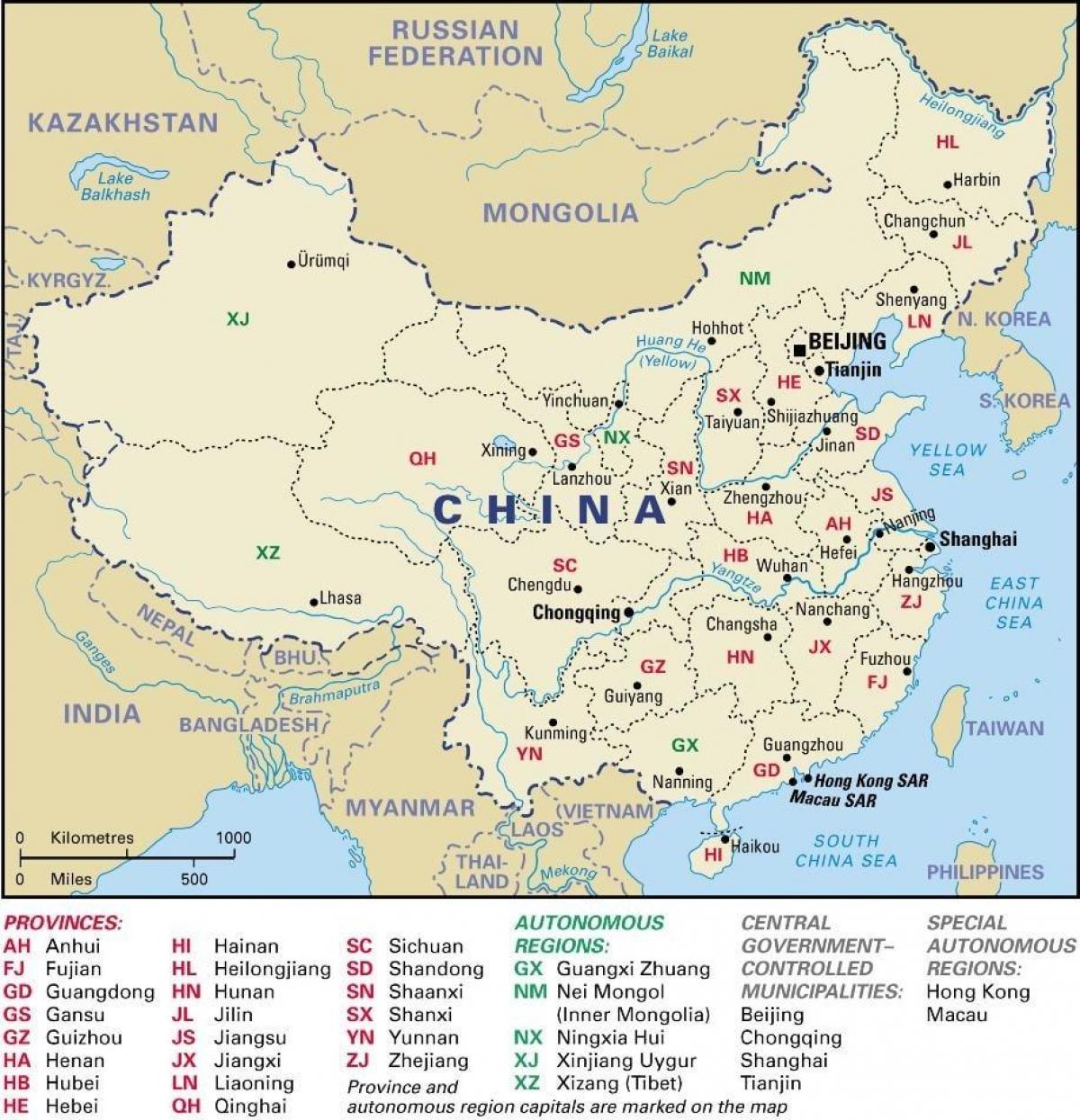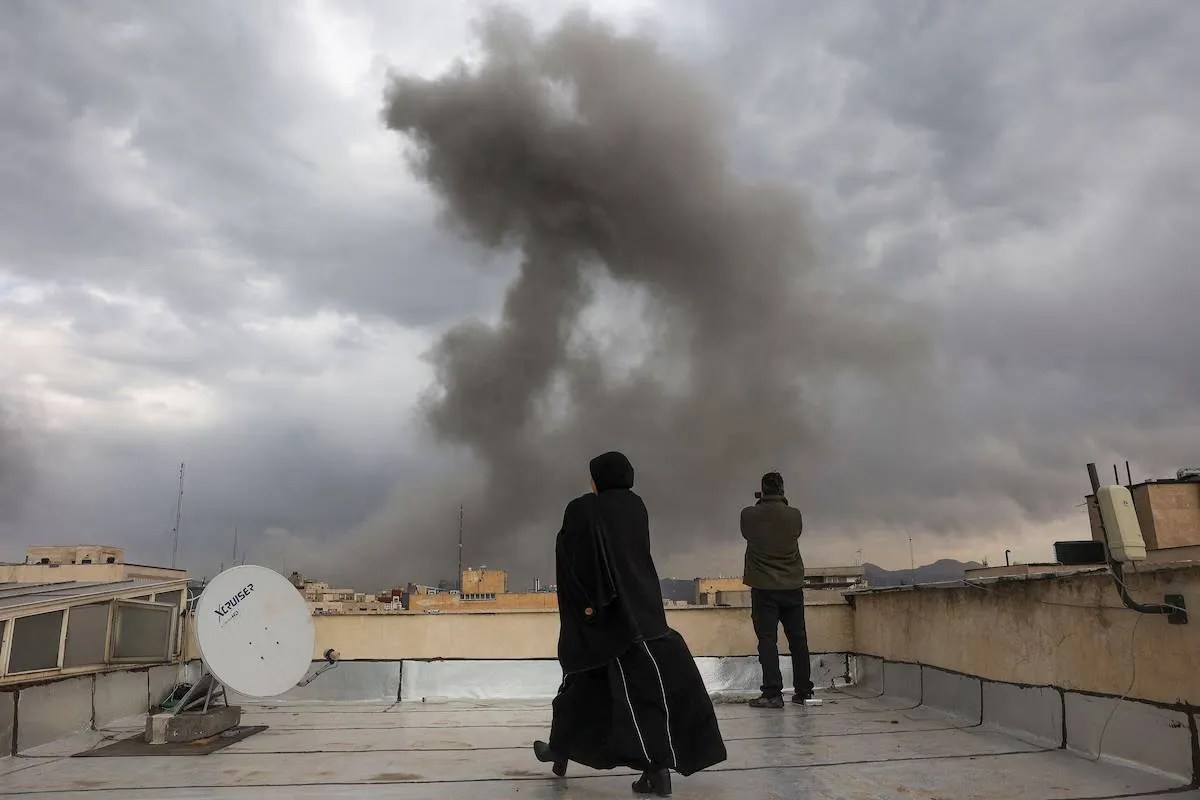
The Middle East just crossed a line that can't be uncrossed. When Iran openly claimed responsibility for missile and drone strikes targeting American military facilities across Jordan, Bahrain, and Kuwait, it wasn't just another flare-up. It was a massive structural shift in how regional warfare plays out. For decades, Tehran preferred the shadows. They used proxies like the Houthis or Hezbollah to do the heavy lifting while maintaining plausible deniability. That era is officially over.
By launching direct strikes from Iranian soil against countries hosting US forces, Tehran has changed the rules of engagement. If you are trying to understand why this happened right now, you have to look at the massive joint US-Israeli strikes on Iran's nuclear infrastructure that preceded it. This wasn't a random act of aggression. It was a calculated, eye-for-an-eye response designed to show that no Western asset in the Gulf is safe anymore.
The Illusion of Gulf Security is Broken
For years, Gulf nations built up their defense systems under the assumption that an American umbrella would keep them safe. Countries like Kuwait, Bahrain, and the UAE invested billions in Patriot missile batteries and advanced radar. They assumed the sheer presence of the US Fifth Fleet in Bahrain or major airbases like Al-Salem in Kuwait would act as an unbreakable deterrent.
They were wrong.
When the missiles started flying, the reality on the ground shifted instantly. Sirens blared across major hubs, and residents in Abu Dhabi and Dubai reported hearing explosions as air defenses scrambled to intercept incoming threats. While many of the projectiles were shot down, the psychological damage was done. The idea that these countries could remain safe havens while a war raged next door evaporated overnight.
What the Competitor Missed About the Base Targets
Most news outlets just list the countries hit without explaining why those specific locations matter. Tehran didn't just pick random spots on a map. They targeted the exact nerve centers of American power in the region.
Take Bahrain, for instance. It hosts the US Navy's Fifth Fleet. Targeting this specific location sends a clear message that Iran can disrupt maritime traffic and target naval command infrastructure at will. In Kuwait, Al-Salem Airbase serves as a critical logistical hub for US Air Forces Central Command. By targeting these assets, Iran is attempting to choke the logistics and refueling capabilities that the US military relies on to sustain long-range operations.
It is also about political leverage. Iran wants to make hosting US troops an unbearable liability for these Arab states. They are effectively telling leaders in Amman, Manama, and Kuwait City that if they let America use their soil to launch or support attacks against Iran, they will pay the price in smoke and fire.
The Massive Flight Disruptions and Economic Shockwaves
This conflict didn't just stay in the military sphere. The immediate economic fallout hit the global aviation sector like a sledgehammer. Within hours of the strikes, major airspace corridors across Iraq, Jordan, Iran, Israel, and the UAE shut down completely.
Think about what that means for global travel. Hubs like Dubai, Abu Dhabi, and Doha are the central arteries connecting Europe and the Americas to Asia. When those corridors close, airlines have to reroute flights thousands of miles out of their way. This adds hours to travel times and burns millions of gallons of extra fuel. The economic hit to global supply chains and international travel was instantaneous, showing just how fragile our interconnected world really is.
India's High-Stakes Diplomatic Tightrope
A lot of Western analysts ignore how this crisis impacts South Asia, particularly India. New Delhi is in an incredibly tough spot right now. There are over eight million Indian nationals living and working across the Gulf states. Their physical safety is a massive concern for the Indian government.
On top of that, India has been playing a delicate game of balancing its relationships. It has deep technological and defense ties with Israel, yet it historically relies on Iran for strategic energy access and connectivity projects like the Chabahar port. With the conflict blowing up into a regional confrontation, New Delhi's doctrine of strategic autonomy is facing its toughest test yet. They can't afford to alienate Israel, but they absolutely cannot afford a total war that destabilizes the Gulf and puts millions of their citizens in harm's way.
What Happens Next on the Ground
Don't expect this situation to cool down on its own. We've entered a cycle of direct state-to-state confrontation that is incredibly hard to de-escalate. When both sides feel that backing down looks like weakness, the only direction left to go is up.
If you want to keep track of how this crisis unfolds, watch these specific indicators right now. Keep a close eye on shipping insurance rates in the Strait of Hormuz, because if those spike, global oil prices will jump right along with them. Watch the official diplomatic statements coming out of Riyadh and Abu Dhabi. If they start putting public pressure on Washington to scale back its military footprint to protect their own cities, then Iran's strategy is working perfectly. The old status quo is gone, and everyone is scrambling to adapt to a much more dangerous reality.