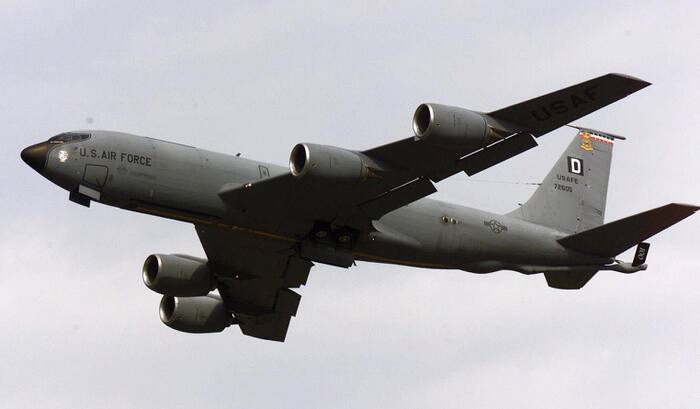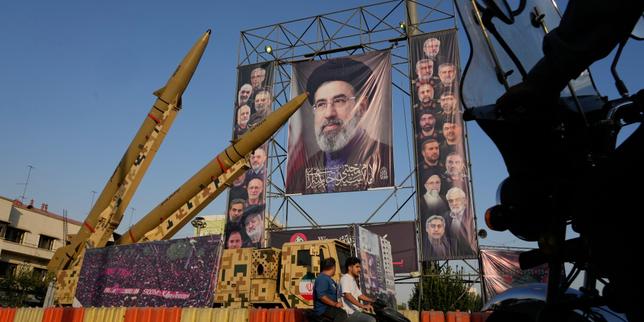
The logic of deterrence changed overnight. When combined American and Israeli air campaigns pounded strategic targets across Iran, they didn't crush Tehran's nuclear ambitions. They poured gasoline on them.
If you talk to regional security experts today, a grim consensus emerges. The conventional military gap left Tehran exposed, and within the corridors of power, voices arguing for an explicit nuclear deterrent are louder than ever. When a nation watches its conventional defense structures take heavy hits from foreign strikes, the calculus shifts. Total security suddenly looks like possessing the one asset nobody dares to test.
The Breakdown of Conventional Deterrence
For years, Iran relied on its network of regional proxies and a massive arsenal of ballistic missiles to keep adversaries at bay. That architecture fractured under the weight of coordinated operations launched earlier this year.
When your air defenses get dismantled and key military infrastructure suffers heavy damage, conventional deterrence stops working. Decision-makers in Tehran are looking at the rubble and drawing a very specific lesson. They see states with nuclear arsenals sitting untouched by direct ground invasions, while non-nuclear adversaries face constant intervention.
It is a brutally pragmatic realization. The regime's hardline factions are using this vulnerability to argue that conventional power is a half-measure. They want the ultimate insurance policy.
Washington and the Pressure Tactics
The United States isn't sitting back, either. The Pentagon recently rolled out a twenty-million-dollar bounty targeting any insider willing to leak details about the remaining nuclear sites, equipment, and personnel. That kind of aggressive counter-proliferation effort shows Washington knows exactly what is happening underground.
At the same time, diplomatic messaging from the White House bounces back and forth between threats of renewed action and claims that further strikes are unlikely unless negotiations completely collapse. But rewards for informants and naval buildups send a much clearer signal than televised interviews. Both sides are digging in for a protracted standoff where the core issue remains unresolvable through standard diplomacy.
What Happens Next in the Region
The temptation to cross the threshold toward weaponization grows every time regional tensions spike. Inspectors from the international atomic agency are facing heavier restrictions, and monitoring capabilities keep shrinking.
When you back a regime into a corner, you eliminate its incentive to compromise. Instead of abandoning its atomic ambitions under dureSS, the leadership in Tehran views enrichment as its only remaining shield against future military campaigns.
Look past the diplomatic statements and the economic collapse driven by skyrocketing inflation. The underlying momentum points toward a dangerous acceleration. If current trends hold, the region is barreling toward a point of no return where the nuclear question won't be a matter of debate, but a finalized reality.