High-stakes diplomacy is shifting across the Middle East. Iranian Security Council chief Mohsen Rezaei met with Supreme Leader Ayatollah Mojtaba Khamenei following intensive talks with representatives from Saudi Arabia, Turkey, and Pakistan. This sequence of high-level meetings marks the first major diplomatic engagement between Tehran and the three nations since the signing of the Mecca mutual defense pact.
If you are trying to make sense of where the regional conflict is heading, these diplomatic maneuvers tell a clear story. Tehran is testing regional channels while maintaining hardline terms for any enduring ceasefire.
The Significance of the Mecca Pact Delegations
Saudi Arabia, Turkey, and Pakistan sent top officials to Tehran on a mission to de-escalate hostilities. The wider military crisis kicked off following U.S. and Israeli airstrikes on Iran back in February. Those initial strikes upended regional stability, pulling countries like Saudi Arabia and Yemen's Houthi movement directly into the crossfire.
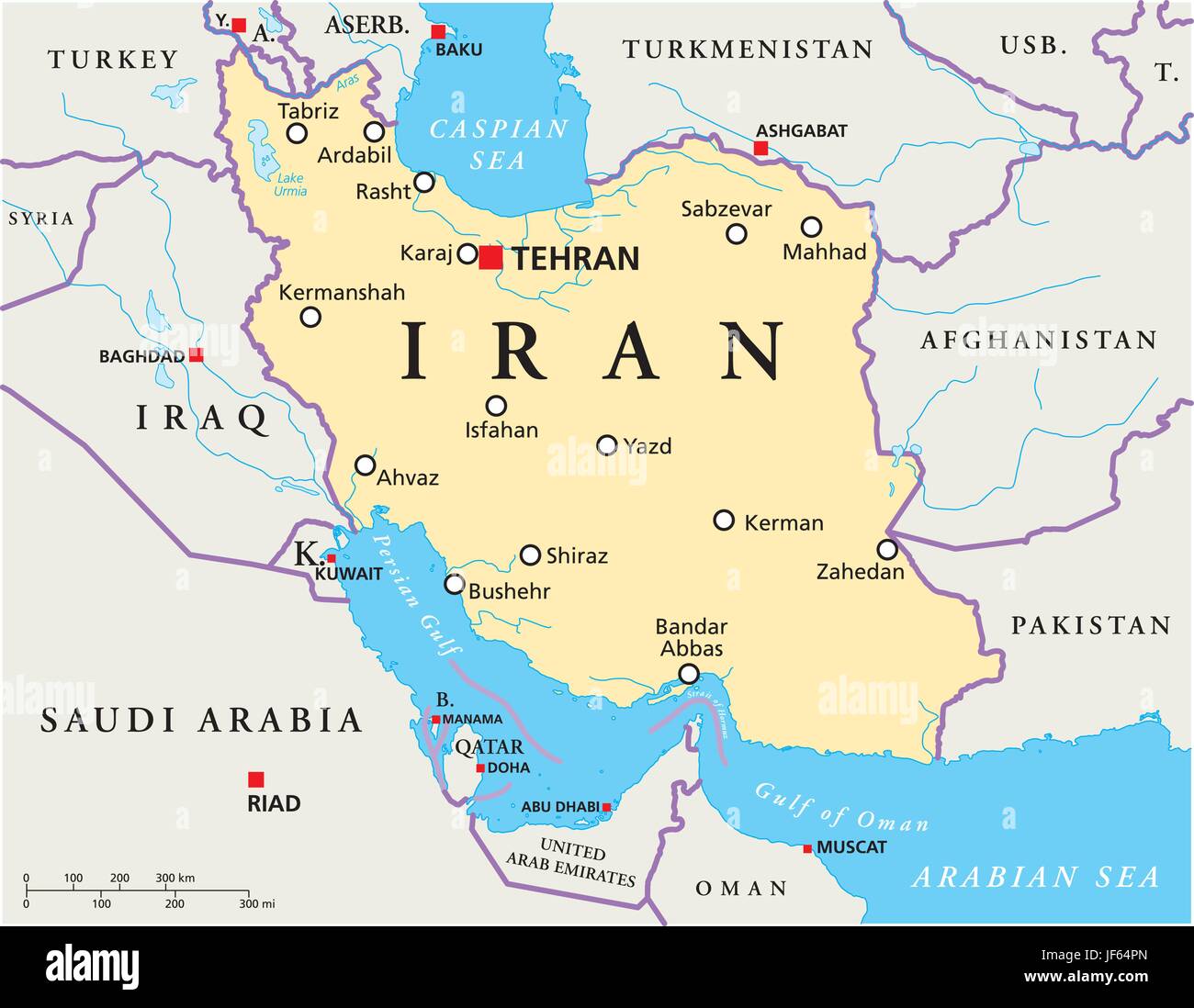
The Mecca pact, signed in August, created a unified security bloc among Riyadh, Ankara, and Islamabad. Seeing representatives from this coalition land in Tehran shows that neighboring powers want to insulate themselves from prolonged economic fallout and shipping disruptions, especially around the crucial Strait of Hormuz.
Iran claims tight control over the strait, regularly targeting unauthorized vessels, while the United States maintains a naval counterblockade on Iranian ports. The recent talks directly tackled safeguarding regional security and keeping commercial shipping routes open.
Behind Closed Doors with Iran Leadership
Following the diplomatic rounds in Tehran, Mohsen Rezaei briefed Supreme Leader Ayatollah Mojtaba Khamenei. State media confirmed that Khamenei emphasized the importance of advancing national interests and sticking firmly to pre-conditions for ending the war.
Khamenei has kept a low profile since succeeding his father in March, making high-level briefings like this critical indicators of official state policy. Tehran's stance remains unyielding. Iranian officials have made it clear that their nuclear enrichment program is non-negotiable until core demands are met.
Those conditions are straightforward:
- An immediate end to the U.S. naval blockade on Iranian ports.
- The complete lifting of U.S. sanctions targeting Iranian oil exports.
On the other side, Western officials remain skeptical. U.S. Vice President JD Vance stated that Tehran must scale back its nuclear enrichment before any serious diplomatic resolution can take shape.
What Comes Next for Regional Diplomacy
Diplomatic efforts are walking a tightrope. A potential pathway to a permanent settlement collapsed back in June, leaving the region trapped in an uncomfortable state of neither war nor peace.
Regional heavyweights are trying to carve out independent diplomatic solutions to protect their own economic interests, even as Washington and Tehran remain locked in a standoff. Watch the Strait of Hormuz closely. Any shift in commercial vessel authorization or naval posture will signal whether these talks produced real friction-reduction or just temporary political posturing.