Tensions between Washington and Tehran are climbing again, and Iran isn't bothering to hide its posture. Iranian Foreign Minister Abbas Araghchi made it clear that Tehran is locked, loaded, and entirely prepared for whatever the United States throws its way—whether that means serious diplomatic engagement or a full-scale military clash.
If you've been watching the Middle East lately, this rhetoric sounds familiar. But the context right now has shifted significantly. Araghchi’s recent statements, delivered after wrapping up diplomatic visits in Turkmenistan and leaning heavily on regional mediators like Qatar and Pakistan, point to a high-stakes standoff. Tehran claims it has laid out specific conditions and a formal framework for a diplomatic off-ramp, leaving the next move squarely in Washington's court.
The Core Conflict Behind Closed Doors
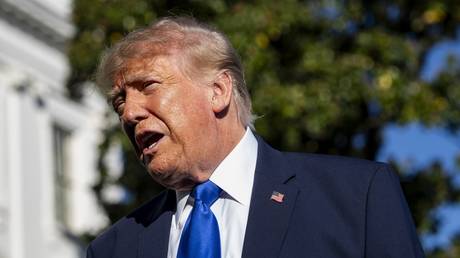
Why is this happening now? Behind the scenes, intensive indirect talks are moving through diplomatic channels. Yet, the threat of renewed friction remains real. US President Donald Trump has maintained a tough stance, indicating that Washington is in no rush to wrap up the conflict and believes time plays to the American advantage.
Araghchi's response to that posture is blunt. He warned that any fresh military test or attempt at deception by the US would trigger a retaliation "far harsher and more regretful than before". Tehran wants to project absolute confidence, claiming its armed forces have upgraded hardware, patched up old vulnerabilities, and tested new capabilities.
Diplomacy Meets Brinkmanship
It’s easy to write off these warnings as standard political posturing. Governments trade threats all the time. But the economic and strategic stakes on the ground give these words real weight. Key trade routes, regional oil shipping lanes, and political alignments across the Gulf hang in the balance.
Iran insists that any return to meaningful negotiations depends on the US dropping aggressive postures and accepting Tehran's core baseline conditions. Meanwhile, Western allies continue to pressure Iran over regional proxy groups and maritime security in vital corridors like the Red Sea and the Strait of Hormuz.
What Comes Next in the Standoff
The reality on the ground is a delicate balancing act between potential escalation and backchannel diplomacy. Mediators are working overtime to keep communication lines open, but neither side wants to blink first. When top officials start openly talking about being ready for "all scenarios," it usually means the margin for error has shrunk to almost nothing.
Keep an eye on how Washington responds to Tehran's latest diplomatic blueprint. If political rationality prevails, a narrow window for talks remains open. If it doesn't, the region is bracing for a much rougher road ahead.