Geopolitics rarely operates on pure sentiment. Pragmatism usually wins. That truth played out in sharp relief behind closed doors during the recent diplomatic flurry in the Indian capital.
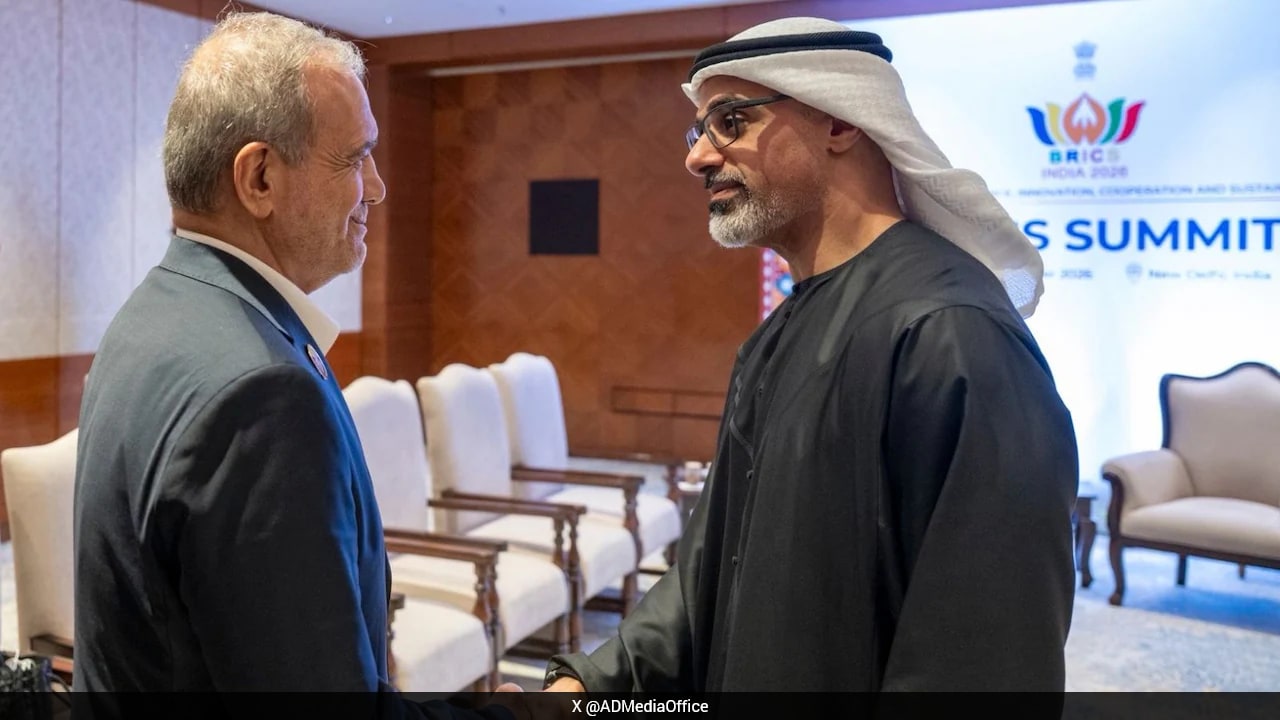
Iranian President Masoud Pezeshkian and the Crown Prince of Abu Dhabi, Sheikh Khaled Bin Mohamed Bin Zayed Al Nahyan, held high-level discussions on the sidelines of the international BRICS summit. Just weeks after trade suspensions and soaring regional flashpoints, both nations signaled a stark shift. They want to turn the page. They want a clean slate.
Washington's reaction? Total indifference.
What Actually Happened Behind Closed Doors
Relations between Tehran and Abu Dhabi hit historic turbulence following a string of regional clashes involving US and Israeli actions against Iran, alongside retaliatory missile strikes impacting Gulf infrastructure. The tension spiked so hard that the UAE briefly suspended trade and financial exchanges with Iran.
Yet, diplomacy found an opening in New Delhi. Pezeshkian called the exchange constructive. Both leaderships agreed that permanent hostility serves no one. Trade routes need stabilization, and regional stability remains an economic necessity.
The core friction point hasn't vanished entirely, though. Iran maintains a strict stance regarding foreign military installations. Tehran argues that while it holds zero animosity toward the UAE or neighboring Arab states, it objects heavily to American military assets stationed in the Gulf region. Pezeshkian made it clear during the talks that regional neighbors should not allow foreign adversaries to use local soil as a launchpad for military aggression.
Why Washington Claims Indifference
While regional players met to map out security cooperation—with subsequent talks scheduled in Oman regarding the critical Strait of Hormuz—the White House adopted a breezy stance. Donald Trump publicly stated he does not care if Gulf nations sit down with Iran to discuss the security of the Strait of Hormuz, leaving the diplomatic maneuver entirely up to local capitals.
This reaction reflects a shifting calculus in Western capitals. When one-fifth of global oil supplies face disruption risks through critical chokepoints like the Strait of Hormuz, direct regional dialogue becomes a matter of economic survival rather than diplomatic luxury.
What Comes Next for the Gulf
The New Delhi Declaration adopted during the summit urged maximum restraint and the protection of civilian infrastructure. But declarations on paper rarely rewrite regional security architectures overnight.
The upcoming diplomatic meetings in Oman will test whether this new bonhomie can survive practical security arrangements. If Abu Dhabi and Tehran manage to normalize trade ties while navigating the complicated web of foreign military bases, the entire Middle East security map shifts. Pragmatism is finally replacing permanent confrontation.